It is important to explore different types of stress relief products. Not all of them can work for everyone, and sometimes something that nobody else can call a stress relief product can help someone to reduce stress in their lives. So let’s talk more about it!
Stress shows up in everyone’s life, so finding ways to manage it can really make a difference in how you feel day to day. Lots of people reach for stress relief products because they want convenience and comfort. It could mean a soothing scent, a calming gizmo, or something you toss in your bag for tough moments. There is plenty to choose from. If you are curious about what kinds of stress relief products are out there, I will walk you through some of the most popular types and how they help you relax.
Understanding The Variety Of Stress Relief Products
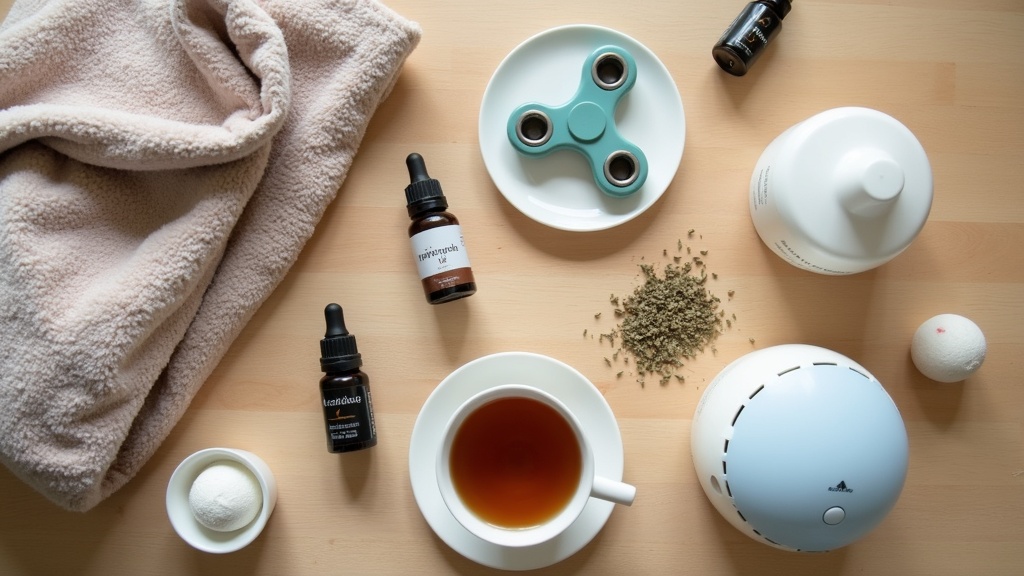
Stress relief products have come a long way in recent years. Instead of just a cup of herbal tea or a scented candle (though those are classics), the market now features everything from tech gadgets to fidget toys, sensory aids, and even subscription boxes packed with goodies. People use these products for many reasons. Maybe you want instant calm, improved sleep, or a distraction in stressful moments.
Many stress relief products draw on research about how humans react to scents, touch, sound, and repetitive motion. The global wellness industry has taken note of this, and sales for things like weighted blankets or aromatherapy oils keep climbing.
With so many options, it is easier than ever to find something that seamlessly fits your routine and stress management style. It is also simpler to get lost. This is why we are looking closer at these stress relief product options.
You will meet people who swear by stress balls at their desks or diffusers at home, while others like having calming sprays on hand for travel or work. Checking out different types of products can help you figure out what winds you down most effectively.
Popular Categories Of Stress Relief Products
The stress relief world is packed, but most products fall into several key groups:
- Calming Scents: Aromatherapy products such as essential oils, rollerballs, and sleep sprays use plant extracts to help you relax. Lavender, chamomile, and eucalyptus are some favorites you will spot in sprays, lotions, and even fun bath soaks.
- Fidget And Sensory Tools: Fidget spinners, cubes, putty, and smooth stones work well for people who need something to do with their hands when focus is tough. Weighted blankets and sensory pads offer calming pressure that many find soothing.
- Relaxing Auditory Products: White noise machines, rain sound apps, and ambient sound speakers create a calm background, making them perfect for sleep or concentration.
- Relaxation Gadgets: Things like acupressure mats, heated neck pillows, and compact massagers bring physical comfort when your muscles feel tense.
- Natural Supplements and Teas: Herbal blends with ingredients like ashwagandha, valerian root, or lemon balm support relaxation. Always check with a doctor before trying any new supplements, just in case.
Whether you want something discreet for your workspace or tools for winding down at home, these categories cover all bases.
Quick Guide: How To Choose A Stress Relief Product That Works For You
Narrowing down your options makes picking a stress relief product a lot easier. Here are a few steps that help when you are just starting out:
- Think About Your Stress Triggers: Does your stress hit hardest when you are trying to sleep, or is it more about busy, stressful days? This can point you toward products for relaxation at night (like teas) or something active for daily focus (like a fidget tool).
- Consider Portability: Need stress relief on the go? Pocket sprays, stress balls, and travel diffusers work wonders.
- Start Simple: Trying a classic option like a stress ball, a tea sampler, or a mini essential oil roller lets you dip your toes in without committing lots of cash.
- See What Feels Good: Some people respond better to touch (weighted blankets), others to scent (aromatherapy), and some to sound (white noise machines). Test what resonates with you.
- Check For Evidence: A quick peek at customer reviews or clinical backing can help you spot what really works for others.
Picking products that naturally fit into your life cuts down on stress in the long run. I always try to stick with things that blend into my routine, which makes it way easier to keep using them.
Things To Consider Before Trying New Stress Relief Products
No product is truly one-size-fits-all, so it is good to mull over a few details before buying. I have found these points especially helpful:
- Sensitivity To Scents Or Materials: If strong smells give you a headache, go easy on scented items. For sensitive skin, hypoallergenic products or fidget tools made from natural materials are worth seeking.
- Budget: You don’t need to spend a ton to find a product that fits. Simple, affordable things like a stress ball or streaming calming sounds can make a big difference.
- Ease of Use: Stick with straightforward products. Complicated tech gadgets are more hassle than help when you’re already stressed out.
- Quality and Safety: When looking at supplements, check for third-party testing. With gadgets, confirm their safety certifications.
- Personal Preferences: Not everyone feels settled by the same scent or sound. Trust your own likes before hopping on a trend.
Allergies And Sensitivities
Skin or scent sensitivities can make stress relief shopping a challenge. Look for products marked hypoallergenic or free of artificial fragrances and dyes. Unscented items work well for those sensitive to strong smells or with asthma.
Quality And Longevity
Choosing a well-made product means you’ll probably get more comfort and a longer lifespan. For example, weighted blankets made with glass beads stay smoother and last longer. Checking reviews and sticking with reputable brands helps you avoid cheap knockoffs.
Researching Ingredients
If you’re curious about herbal supplements or teas, check reliable sources like Mayo Clinic or WebMD to get a sense of what has scientific support. It’s smartest to ask a doctor before starting new supplements, especially if you take other medications.
Tech And Safety
Any gadget with batteries or power should show safety certifications. Look for features like auto shut-off in heating products to keep things safe.
Paying attention to these details helps you pick stress relief tools that genuinely work for you.
Some of my best tips for picking stress relief products come from giving different options a go. A fancy candle once turned out to have a scent that left me more agitated, and one fidget product creaked loudly, making meetings even more distracting. That is why a little personal trial and error is often part of landing on the tools that click with you.
Advanced Tips For Maximizing Your Stress Relief Routine
Once you find a few products you enjoy, building little routines around them can turn those brief moments of relaxation into lasting habits. Here is what I have learned along the way:
Make A Ritual: Attach a product you love (like a favorite sleep spray or heated neck wrap) to daily routines, such as bedtime or after work. By repeating this, you help your brain connect the product with winding down.
Layer For Impact: Sometimes using a calming playlist while under a weighted blanket, or sipping herbal tea with a diffuser running, can give a boost to your relaxation. Mixing different elements creates an immersive break.
Keep Favorites At Arm’s Reach: If most of your life happens at a desk, keep a calming stone or stress toy handy. That way, relief isn’t far away.
Track What Works: Not every product will be a winner in every scenario—a sound machine might help at bedtime, but not while working. Notice what works and tweak your daily routine for best results.
Mix It Up Sometimes: If a product stops feeling special, switch to a new scent or another type of tool. Adding variety keeps things from getting stale.
Experiment to find your ideal match. Making stress relief tools a regular, everyday part of your life instead of an emergency fix sets you up for fewer stressed-out moments.
Real World Uses: Everyday Applications of Stress Relief Products
It helps to see how stress relief tools fit into day-to-day routines. Here is how we use them through the week:
- At Work: Fidget cubes, putty, or desk diffusers with mellow scents come in handy during long video calls or on deadline days.
- At Home: Things like sound machines, weighted blankets, and heated eye masks are favorites for relaxing after work or before bed.
- On The Go: Pocket sprays and portable fidget toys are helpful in traffic, airports, or crowded places where you can’t control the environment but want to stay calm.
- During Meditation Or Yoga: Aromatherapy rollers and calming crystals fit easily into your mindfulness or yoga practice, creating a more peaceful space.
At the end of the day, everyone can use a bit of support now and then. These products offer simple ways to sprinkle in calm wherever you are.
Frequently Asked Questions
Here are some popular questions people have when searching for stress relief products:
Question: Are natural stress relief products safe for everyone?
Answer: Most are quite safe, especially aromatherapy or fidget gadgets. Still, if you deal with allergies, sensitivities, or health issues, check labels and ask a doctor before trying herbal supplements.
Question: Do these products really work?
Answer: It varies from person to person, but many people find real benefits with options like fidget tools or aromatherapy. Checking reviews and testing what feels best for you often leads to good results.
Question: What’s the best stress relief product for anxiety?
Answer: There isn’t one universal answer. Some find comfort in scents, others in touch or movement. Sample a few and see what best meets your needs.
Wrapping Up
Finding the right stress relief products is a hands-on experience. It’s all about tracking down what suits your needs, space, and personality. Whether it’s a gentle candle, a soft blanket, or a toy you use while thinking, having small comforts nearby can help when stress pops up. Over time, weaving these items into your daily routine builds little oases of calm that really add up.