
Today, we are going to check the difference between traditional and herbal tea. Which is better, especially for stress relief?
So, you are wondering what the deal is with herbal and traditional teas, right? Herbal teas aren’t technically teas, since they don’t come from the Camellia sinensis plant like traditional teas. Instead, they are infusions of anything from herbs to flowers.
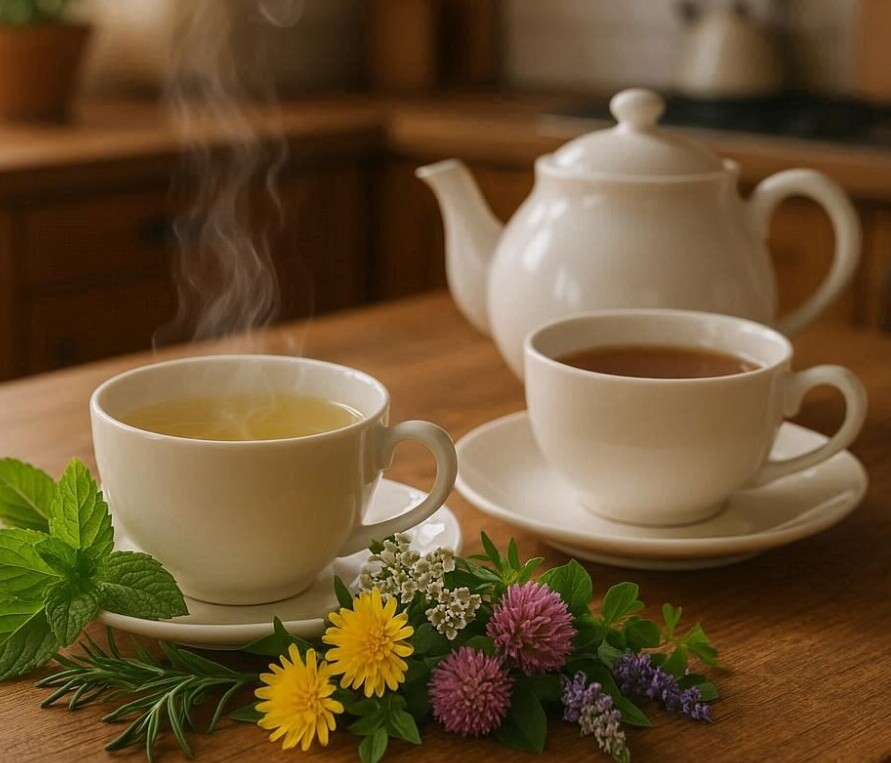
Traditional tea, on the other hand, is your classic green, black, oolong, and white tea made from the actual tea plant. The difference isn’t just in the name; it is in the processing, taste, and even the experience they offer.
If you go into their backstory, you will see each has a rich history. Herbal teas have been used for ages in different cultures as remedies, while traditional tea has been central to social customs in places like China, Japan, and Britain.
If you wanna drink some herbal tea, CLICK HERE to get it.
These days, both types of tea are adored globally. With herbal tea, you get an array of flavors and potential health benefits, while traditional tea offers a familiar taste and a long list of varieties. Their popularity isn’t just about refreshment—it is about culture, health, and that simple, soothing experience of a good cup of tea.
Health Benefits: A Comparison
Let’s break down what these teas offer health-wise, shall we? Herbal teas pack a punch with a variety of vitamins, antioxidants, and minerals. Each herb brings something unique to the table. For example, chamomile is renowned for its calming effects, while peppermint tea is a go-to remedy for those with digestive issues.
Now, traditional teas, like your greens and blacks, are no health lightweights either. They are known to be full of antioxidants, particularly catechins, which are fantastic for your heart health and metabolism. Studies suggest they might even help with weight management and act as a mental pick-me-up.
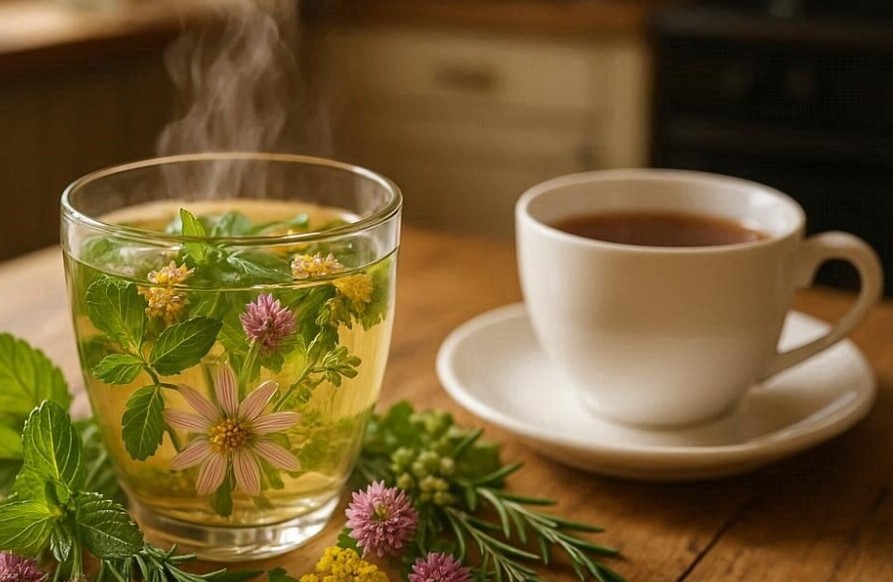
Digging into the research, both herbal and traditional teas get points for their potential health benefits. Herbal teas might not have caffeine, a bonus for those sensitive to it. But if you are looking for a gentle energy lift, traditional teas, with their moderate caffeine levels, might just be your best bet.
It is not just about choosing any tea. Picking the right one depends on what your body needs—maybe a digestive aid from herbal blends or a metabolism boost from green tea. So, you really can’t go wrong with either, but knowing what each offers can tailor your tea time to your health goals.
Stress Relief: Which Tea is More Effective?
When it comes to handling stress, both herbal and traditional teas have their champions. Scientific studies often highlight the stress-busting properties of certain herbs. For example, we can look at chamomile and lavender tea for stress relief:
1. Chamomile tea is legendary for soothing frayed nerves, making it a sought-after choice for stress relief.
2. Lavender herbal tea is another stress fighter, known for its calming aroma and ability to ease tension.
Herbal options bring not just taste, but aromatic benefits that add to the soothing experience of winding down after a long day.
On the traditional side, there is a wealth of research on the relaxing effects of black and green teas. These teas contain L-theanine, an amino acid linked to reduced stress and improved relaxation without drowsiness. It is the perfect combo: a state of calm while maintaining alertness.
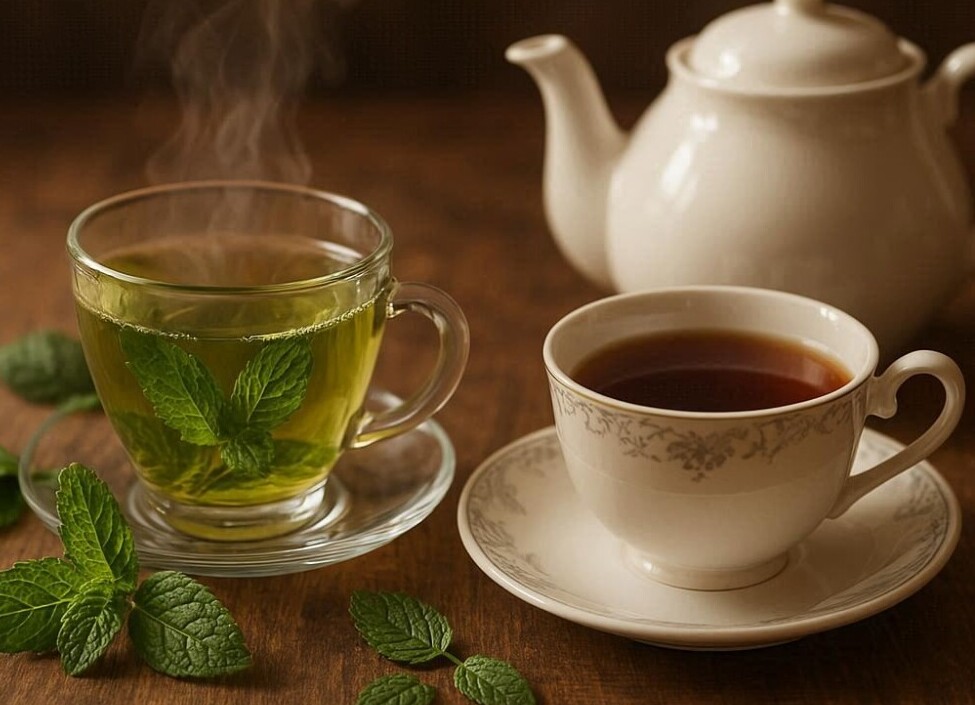
Personal stories reveal a lot, too. Many people swear by their night-time ritual, sipping chamomile, or even a mild green tea to ease stress after a busy day. It is all about finding that sweet spot where taste, aroma, and personal preference meet to help melt the stress away.
Relaxation and Well-Being: Tea as a Lifestyle Choice
Tea isn’t just a drink; it is a way of life for many seeking relaxation and well-being. Both herbal and traditional teas offer that tranquil pause most people need in their hectic day.
Herbal teas are a brilliant choice if relaxation is your main game. Imagine unwinding with a cup of chamomile or lavender, letting their gentle aromas work their magic. These teas invite you to slow down, encouraging a peaceful state of mind, perfect for that post-work chill.
Traditional teas, though, shouldn’t be overlooked. Green tea offers a calming ritual of its own. It is not just the tea; it is the act of brewing, pouring, and savoring every sip that adds to tranquility. Black and oolong teas, with their comforting warmth and flavor, provide a satisfying end to any day.
Creating a relaxing tea ritual might be the key. Picture this: dimmed lights, a cozy nook, and your favorite tea blend swirling in your cup. It doesn’t matter if it is a fruity herbal mix or a classic black tea, the small break the ritual provides can significantly boost your well-being. After all, tea culture isn’t about rushing—it is about savoring each moment.
Conclusion
Both herbal tea and traditional tea are good for your health, relaxation, and stress relief. The difference is what you choose to do and which tea you like.
For me personally, for relaxation, I like herbal tea like peppermint or oregano tea from my garden. All these things are up to you, what you prefer.
What type of tea are you choosing for stress relief and relaxation? Which one do you like better? What do you think about this article? Do you have any advice or suggestions? Please let us know your thoughts and write in the comment section below.
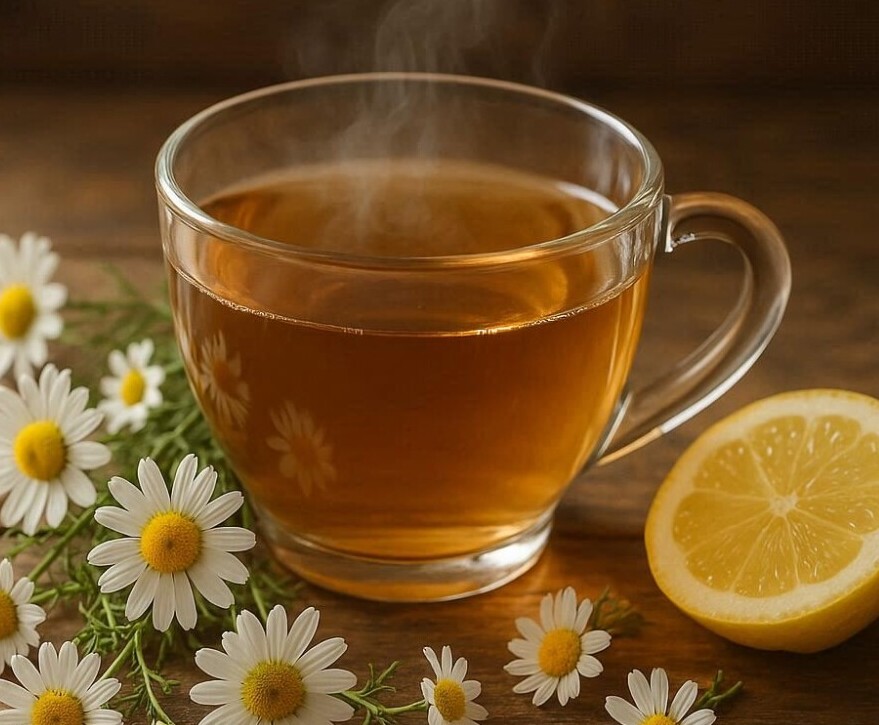
Are you interested in herbal tea? CLICK HERE to choose and get it.
Please leave me a comment below, and please subscribe
If you think this article is useful, please share it.
Thank you! Have a nice day! Until later
Linda Mo
Founder and owner of How To Reduce Stress Naturally