
Today we are going to explore one stress relief method – journaling. It may not be for everyone, but it is great to write down your thoughts and emotions. So, how to use journaling for stress relief? Let’s explore this topic today!
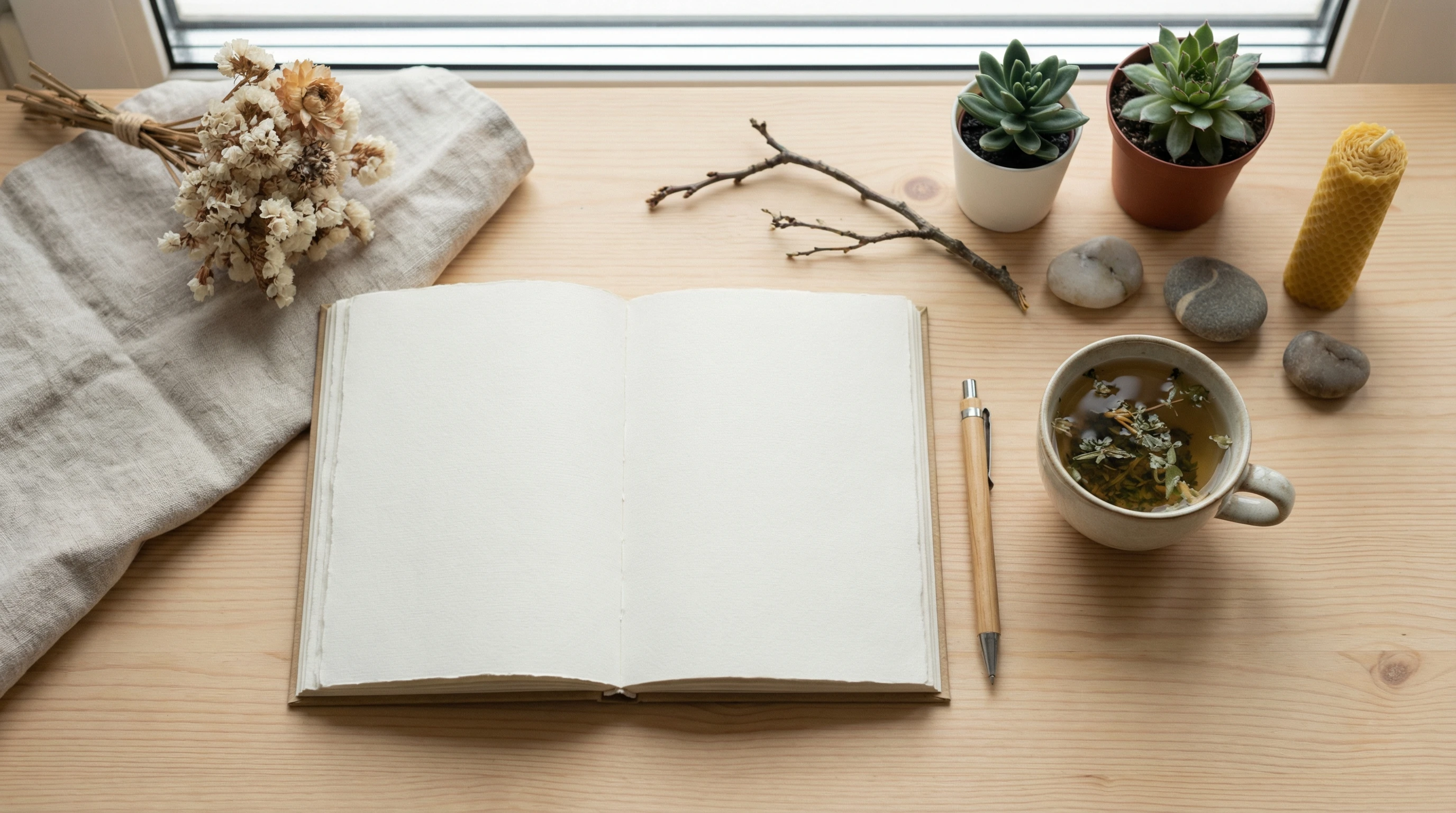
As an Amazon Associate, I earn from qualifying purchases
Welcome to the Journaling For Stress Relief FAQ!
If you are curious about using journaling as a way to ease daily stress, you are in the right place. I have gathered answers to the most common questions about journaling for mental wellness. If there is something I didn’t cover, you can always reach out to me here. I love sharing ideas for making life a little calmer.
Getting Started With Stress Relief Journaling
What is stress relief journaling?
Stress relief journaling is an easy way to manage your feelings and reduce tension by writing things down. For me, it is a space to let out worries, reflect on what is bugging me, and process everyday frustrations in a no-pressure setting. Some people use prompts, while others just fill the page with whatever is circling their minds. It becomes a regular spot to vent and untangle thoughts.
If you have never tried it, just grab a notebook and write down anything that is crossing your mind. Over time, you will likely notice how writing regularly starts to give you a sense of order among all the noise. If you get stuck, using a prompt or making doodles can be enough to get things moving again. There is no right or wrong way—just make it your own.
Do you need notebooks for journaling? CLICK HERE to choose and get it
Why does journaling help with stress?
Writing things out gives your brain a little breathing room. Instead of keeping everything bottled up, journaling lets you see problems from a new angle and spot patterns. When I jot things down, I almost always feel like it takes a load off my mind, even if nothing in my life actually changed yet. Just putting it out on the page is a relief in itself. It can also help track down triggers and give you the space to step up your self-care.
Who can benefit from this kind of journaling?
Anyone feeling overwhelmed or stuck by stress can see benefits. I have met plenty of people who said they didn’t think journaling would work for them, mostly because they weren’t “writers” or didn’t have time. But there is zero pressure to be poetic or journal every single day. Even a few words here and there add up and can be super helpful for students, busy professionals, parents, or anyone who wants a bit more mental clarity. If you want to get a feel for how it helps, just give it a week and look back at what you wrote. You might spot something useful.
Setting Up Your Journaling Practice
What do I need to start journaling?
All you need is something to write on and something to write with. Some folks prefer a paper notebook for that tangible feel, but digital journals on apps or laptops work just as well. The key is picking what feels right for you. I enjoy using a small notebook so it is easy to carry around, but I sometimes switch to my phone when I am out and about. Having your tools handy makes it easy to write whenever the mood strikes.
When is the best time to journal?
There is no wrong time. Some people like to journal first thing in the morning to start the day with a clear head, while others unwind at night by writing before bed. Personally, I keep my journal nearby so I can grab it whenever I am feeling tense or have a lot on my mind. Consistency is helpful, but it is not a big deal if you skip some days. Find what rhythm feels natural—some days you might want more frequent, shorter sessions, while others may call for a longer, deeper writing period.
How long should I write each session?
Even five minutes is enough. I try not to worry about length—it is more about getting your thoughts out than hitting a word count. Sometimes I fill a few pages, and other days, just a quick line or two does the trick. Listen to yourself and write as much or as little as you need. As you keep at it, you will get a sense of what fits your lifestyle best.
Journaling Tips For Reducing Stress
What kinds of prompts are useful?
Prompts can get you going when the blank page feels intimidating. Here are some that I find handy:
- What am I stressed about right now, and why?
- What went well today, even if it was small?
- Is there something I can let go of today?
I often mix it up, choosing a different prompt every day or just making my own based on how I am feeling. Questions like these help you process emotions instead of just stewing in them. Sometimes a prompt can open the door to a new insight or help you spot patterns you hadn’t noticed before.
How do I manage negative or difficult emotions in my journal?
There is no need to filter yourself. Sometimes I will let myself write out every frustration, worry, or fear, no matter how small or embarrassing it might feel. The journal isn’t there to judge. After letting it all out, I sometimes flip the page and write down things I am grateful for, which helps switch my focus. Honest writing is freeing and helps put tough feelings into perspective. If you find repeating worries, that is completely normal too—journaling can help you make sense of these ongoing thoughts over time.
What if journaling makes me feel more anxious?
This actually happens for some people, and I have experienced it myself on certain days. If writing about tough topics feels overwhelming, try sticking to lighter prompts, doodling, or making lists of positive things. You can also write for shorter periods or take breaks. Remember, it is your space, so keep it comfortable for yourself. Don’t hesitate to pause and come back later if it feels too heavy; finding your own groove takes time, and your comfort comes first.
If you need some notebooks for journaling, CLICK HERE to choose and get them.
Tracking Progress and Staying Motivated
How can I tell if journaling is helping?
I like to flip through old entries and try to spot patterns. Often, you will notice that stress triggers, or your responses to them, start to switch up over time. If you start feeling a bit calmer or handle tough moments more easily, that is a sign it is working. Some friends of mine use habit tracker charts for extra motivation, but that’s totally optional. You might notice new ways of coping or simply feel lighter after writing—a clear indicator you’re making progress.
What are some ways to keep journaling fresh?
When journaling starts to feel a bit repetitive, I like to mix it in with sketching, gluing in photos, or using colored pens. Some people decorate their journals or add stickers just for fun. Trying out new prompts or themes (like gratitude, goals, or dreams) keeps the practice interesting. Even switching up your writing environment—going outside or trying a coffee shop—can breathe new life into the practice and help keep journaling exciting over time.
Frequently Asked Questions
Do I need to keep my journal private?
Most people do keep their journals to themselves because it feels safe that way, but it is totally up to you. I sometimes share parts with close friends if I feel comfortable. If privacy’s a worry, try a password-protected digital journal. The most important thing is that you feel secure and free to be honest in your writing space.
Can journaling replace therapy?
Journaling can be a really helpful tool for stress, but it is not a replacement for professional help if you are struggling with anxiety, depression, or intense emotions. I always recommend reaching out to a mental health specialist in those situations. Consider journaling as a supportive companion to other self-care practices, not a stand-in for expert guidance when you need it.
Conclusion
Journaling is a great way to reduce stress. I think it is one of the best ways to relieve stress. Our minds tend to overthink or worry too much, it is great to put things on paper and that can help us to see everything in perspective and clearer.
Still Have Questions? I am here for you. If there is anything I didn’t answer, you are always welcome to get in touch directly. Wishing you a more peaceful, stress-free day. Happy journaling!
What do you think about this article? Do you have any advice or suggestions? Please let us know your thoughts and write in the comment section below.
Choose some notebooks for journaling. CLICK HERE for more information.
If you want to know more about journaling, CLICK HERE to read
Meditation is one of the best ways to reduce stress. CLICK HERE to learn more about it
I would like to hear from you, so please leave me a comment below to let me know if this article helped you.
If you want to know more about ways you can manage stress, please subscribe to this blog.
If you think this article is helpful, please share it.
Thank you! Have a nice day! Until later
Linda Mo
Founder and owner of How To Reduce Stress Naturally