
Today, we are going to talk about Magnesium and how it connects to stress. Could Magnesium help with stress management and your well-being? Let’s explore the connection between the two!
Magnesium often hangs out in the background, quietly doing its thing. It is like that unsung hero in your body’s big orchestra, keeping everything in tune. This mighty mineral helps with over 300 enzyme reactions, playing key roles in muscle and nerve function, blood sugar control, and blood pressure regulation.
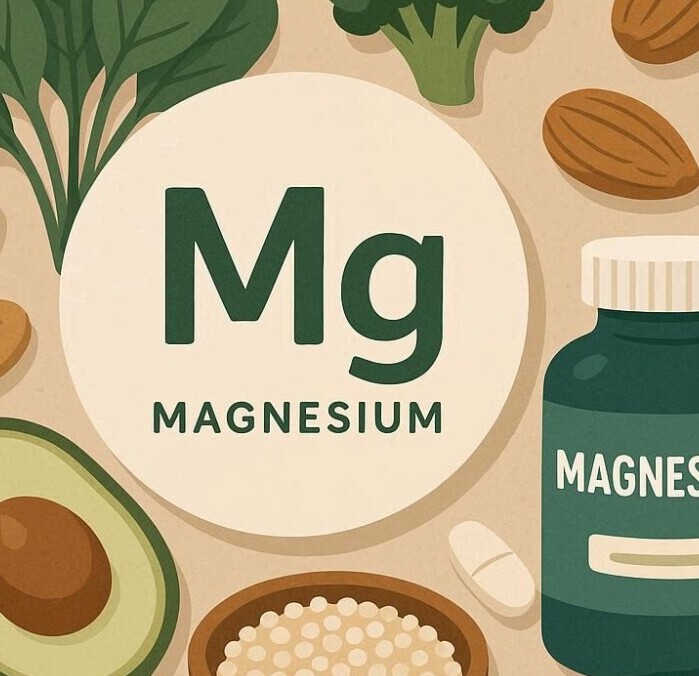
Now, let’s talk about the role it plays with stress. While many focus on vitamins like C or D, magnesium is like a hidden gem we don’t pay enough attention to. It is essential for brain function and mood regulation, making it a key player in the stress relief game.
Stress might seem like just a mental thing, but it affects the body big time. Without enough magnesium, stress can hit even harder, leading to fatigue, headache, or that ever-present tension we shrug off as no big deal.
Ever felt like you are running on empty, but sleep won’t come? That might have been your body’s way of waving a little flag about a magnesium shortage. How our body and mind respond to stress can be deeply intertwined with this mineral. Understanding this connection is vital for tackling stress at its root.
Decoding Stress: Understanding the Mechanisms
Stress is like that unwelcome guest that never seems to leave. It can creep in when you least expect it, affecting mood, energy levels, and even physical health. When your heart races, palms sweat, or you get that sinking feeling in your stomach, these are your body’s ways of responding to stress triggers.
Anxiety, racing thoughts, and constant overthinking are familiar to many dealing with stress. But it is not just about feeling uneasy. There is a whole cascade of hormonal changes under the hood that kick off in response to stress.
Long-term stress can sneakily chip away at your health. It contributes to everything from headaches and digestive issues to more serious conditions like heart disease. This makes understanding stress mechanisms even more crucial.
Pinpointing what sets off your stress is like detective work. It could be work deadlines, traffic jams, or even scrolling through social media. The first step in managing stress effectively is identifying these triggers and understanding how they uniquely affect you.
Magnesium Magic: How It Works as a Stress Buster
So, what is the deal with magnesium and stress? Let’s get into it. This mineral plays a huge role in calming the nervous system. It is like a natural chill pill that helps keep those stress hormones in check.
What else can it help with?
1. When under stress, our bodies produce a hormone called cortisol. Too much of it can toss your system out of balance. Magnesium helps in moderating cortisol production, keeping stress levels more manageable.
2. Magnesium also steps up for better sleep and muscle relaxation. Tense muscles and tossing in bed? A little magnesium might be what you need. It supports neurotransmitter activity that promotes relaxation and a good night’s rest.
What is really cool is how people describe their experiences with magnesium. Some find that regular intake makes them feel less anxious, more even-keeled, and generally in better spirits. From athletes to busy professionals, the stories are often about feeling more centered.
This isn’t just hearsay. Studies back up these experiences, showing that magnesium significantly reduces stress and supports emotional well-being. It is like giving your body a helping hand to step off the stress treadmill.
Incorporating Magnesium: A Holistic Approach to Wellness
Getting magnesium into your routine can feel like a game-changer. Let’s talk food first. Leafy greens, nuts, seeds, and whole grains are all packed with magnesium. It is like feeding your body a daily dose of calm.
But sometimes, getting enough magnesium through diet alone can be tough. That is when supplements might come into play. Before grabbing any bottle off the shelf, it is smart to consult with a doctor to find the right form and dosage for you.
Blending magnesium intake with other lifestyle tweaks amps up its benefits. Think about pairing it with regular exercise and mindful activities like yoga or meditation. These practices work well together to manage stress.
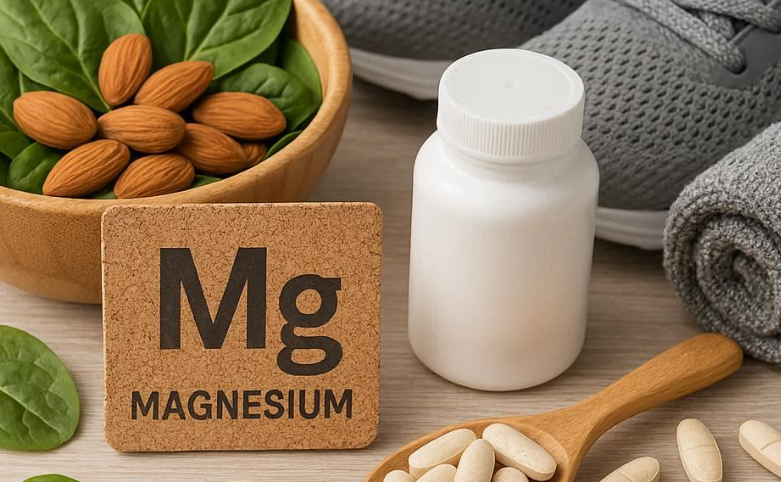
Getting serious about overall wellness means looking at the bigger picture. Current research is exploring magnesium in new ways, with experts often discussing its potential benefits for stress management. From what we see, using magnesium alongside good habits builds a solid foundation for a stress-reduced life.
Investing time in understanding your body’s needs and responses is key. Whether you choose to tweak your diet, start a supplement routine, or transform your lifestyle, these steps pave the way to a more balanced, stress-free existence.
Conclusion
Magnesium is so needed for our health, well-being, and research shows that it also helps to manage stress. If you cannot get enough magnesium via your diet, then supplements could help, but better to look at the bigger picture and your lifestyle choices. When you do that, magnesium can be a necessary help you need, but only then if your lifestyle supports it. Otherwise, it would not look like it helps.
What kind of magnesium supplements do you take? What do you think about this article? Do you have any advice or suggestions? Please let us know your thoughts and write in the comment section below.
Meditation can become part of your lifestyle, the same as magnesium and its supplements. CLICK HERE to learn more
Please leave me a comment below, and please subscribe
If you think this article is useful, please share it.
Thank you! Have a nice day! Until later
Linda Mo
Founder and owner of How To Reduce Stress Naturally