Today, we are going to talk about ways in which vitamin supplements can aid in stress reduction. How can vitamin supplements help in this way?
Stress pops up in our lives all the time these days, and most people I know are always searching for ways to manage it better. I have found that while deep breathing, regular exercise, and good sleep all play a role, nutrition can’t be overlooked. Vitamin supplements might not solve every problem, but they can definitely help take the edge off when life gets hectic. Here is my guide to how certain vitamins can help you breathe easier and handle stress more smoothly.

Why Stress Makes Nutrition Even More Important
People often talk about stress management in terms of meditation or unplugging from screens, but what you eat (and the nutrients you get) makes a big difference. High levels of stress put extra pressure on your body, and your nutrient needs can increase when you are feeling overwhelmed. That is part of why some people end up feeling more tired, grumpy, or sick when they are burnt out; stress drains your supply of key vitamins.
Vitamin supplements give your body what it needs to bounce back. Taking the right vitamins can be a simple, practical way to support your stress response, especially on those extra-busy days when eating perfectly balanced meals isn’t realistic. Research backs this up. Several studies show that getting enough vitamins can really help with mood, focus, and general well-being during stressful times.[1]
Top Vitamins For Stress Relief
Some vitamins do a better job than others when it comes to calming tension and supporting a steady mood. Here is a closer look at the key players you might want to consider if you are looking for stress support.
- Vitamin B Complex: B vitamins (like B6, B12, and folic acid) are super important for brain health and balancing mood. Researchers have found that people who take B complex supplements experience less stress and better energy levels.[2]
- Vitamin C: This vitamin isn’t just good for your immune system; it plays a role in lowering cortisol, the hormone your body releases during stress. Studies found that taking vitamin C helped reduce anxiety and keep blood pressure in check during stressful situations.[3]
- Vitamin D: A lot of people are low in vitamin D, especially if they spend long hours indoors. Not getting enough vitamin D is linked to lower mood and more stress. Supplementing can help make days feel a bit lighter.[4]
- Magnesium (technically a mineral, but worth mentioning): Lots of stress can burn through your body’s magnesium stores. Taking a magnesium supplement can help with relaxation and even improve your sleep.[5]
- Vitamin E: This antioxidant helps protect your cells from stress-related damage and supports a smooth, balanced nervous system.[6]
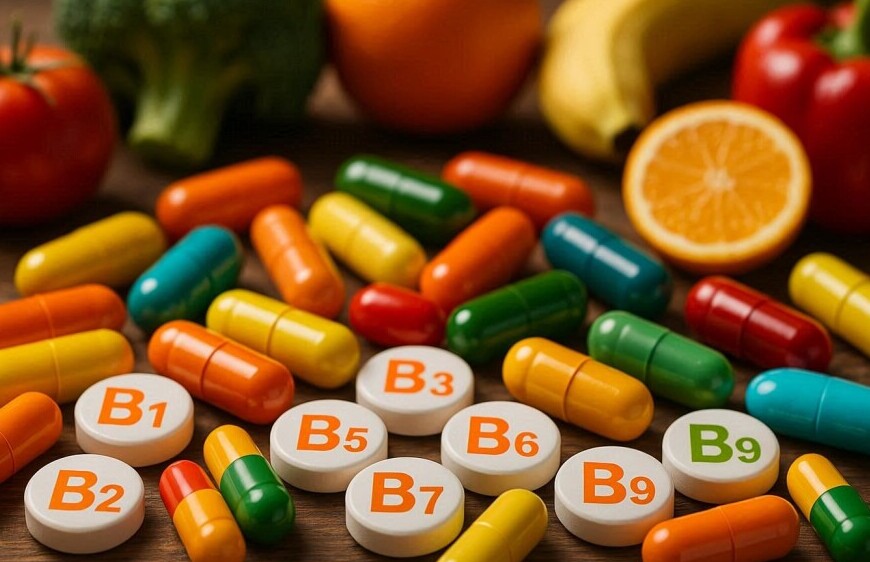
These vitamins are easy to find as affordable supplements, but you can also get many of them through a varied diet. Think leafy greens, whole grains, citrus fruits, dairy, and nuts for starters. If possible, try to fill your plate with colorful produce and whole foods before turning to supplements. Your body generally absorbs nutrients best in their natural form.
Practical Tips for Adding Vitamin Supplements to Your Stress Toolkit
Trying a new vitamin routine doesn’t need to be complicated or expensive. After years of searching for simpler stress fixes, I keep things basic. Here is what works for me and could work for you, too:
- Pick a Quality Multivitamin: Choosing a reputable brand makes a real difference. Look for third-party testing and clear ingredient lists.
- Check Your Dosages: More isn’t always better. For example, most adults need about 600 to 800 IU of vitamin D a day, but this can be higher if you are low. It is a good idea to talk to a doctor about what is best for you.
- Add Magnesium at Night: If stress is making sleep tough, a magnesium supplement an hour before bed is pretty handy for winding down. Look for magnesium glycinate; it is gentler on your stomach than some other types.
- Combine With Food: Vitamins like A, D, E, and K absorb better with a bit of healthy fat. I often take mine with breakfast or lunch to make the most of my nutrition.
- Stay Consistent: The real benefit comes from regular use, not just popping supplements on especially tough days. I set a daily reminder to help me stay on track.
Adding these steps into your routine can help your body stay balanced and calm, even when work or family life gets wild. Remember, small changes stick best, so start simple and see how you feel.
What To Know Before Adding Supplements
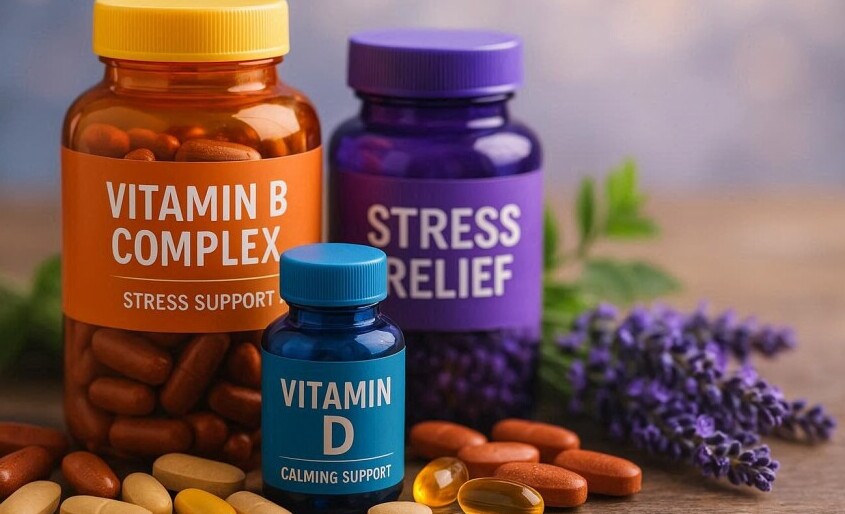
Supplements can be super useful, but there are a few things to know before you load up your cart. Not everyone needs the exact same vitamins, and getting too much can sometimes cause trouble. For example, super high doses of vitamin B6 can cause nerve issues, and extra vitamin D can be a problem for your kidneys. If you are already taking medication or have medical conditions, always check with your doctor before making changes.
Another tip I have learned is not to mix and match tons of bottles, hoping for a magic cure. A balanced multivitamin or a few targeted supplements are usually enough. Overloading your system doesn’t do you any favors and can even waste your money. Some supplements also interact with each other, so it is smart to review anything new with a professional if you are unsure.
It is also worth noting that no supplement is a replacement for self-care essentials. Vitamins can help support your system, but they won’t work miracles if you are skipping meals or sleeping only a few hours a night.
Where to Find the Best Vitamin Supplements
With so many choices out there, it helps to stick with brands that have good reviews and trusted sources. Pharmacies, health food stores, and reputable online shops are good places to start. I usually check for labels showing third-party testing, such as NSF or USP. These seals let you know the vitamins have been checked for purity and accuracy.
Prices can vary a lot, but don’t assume the most expensive option is the best. Simple formulations often work just as well as fancy “stress relief” blends, so check the labels first. Start with the basics and upgrade only if you really notice a difference.
Frequently Asked Questions
Q: Can I just eat healthier and skip the supplements?
A: Eating a varied, balanced diet is always a great approach. But if you find it hard to get enough of certain nutrients, like if you are vegan, have a really busy schedule, or have absorption issues, supplements fill those gaps. In many cases, a basic multivitamin is enough to give a boost to your daily nutrition.
Q: Are there any side effects to taking vitamin supplements for stress?
A: Most people tolerate basic vitamin supplements like B complex and vitamin C well. Going overboard with vitamin D or B6, though, can lead to problems. That is why I stick to recommended doses and check with a doctor when starting something new. Common side effects, such as stomach upset, often go away with time or when vitamins are taken with food.
Q: How fast will I notice a change?
A: Some people notice better energy or mood within a few days, especially if they were low on those nutrients to begin with. For others, it might take a few weeks. Staying patient and giving your body time to adjust works best.
Q: Do these vitamins work as well as prescription medications for anxiety?
A: Vitamin supplements support your natural stress response but aren’t a direct substitute for prescription meds. They can work alongside other approaches, but always consult your doctor if you are on medication or have ongoing issues with anxiety or depression. Supplements should be part of a bigger plan for managing stress, not the only tool in your kit.
How Vitamins Support Stress Management in Everyday Life
I have seen firsthand how adding targeted vitamins to my self-care plan brings some calm to chaotic days. For example, whenever I have a stretch of big deadlines, my patience runs thin and I start getting headaches. Adding a B complex and a little extra magnesium in those weeks makes a clear difference; I feel less jittery and more focused without relying solely on caffeine or comfort snacks.
There is also real-world evidence that backs this up. One review found that regular use of B vitamins led to better stress scores, improved mood, and even sharper thinking in people experiencing ongoing pressure at work.[7] [8]. Another study showed that vitamin C supplements can help students feel less anxious and distracted during exam season. The science is still developing, but the combined results of these studies point in a positive direction for anyone wanting to give a boost to their stress management.
Getting your nutrition on point won’t make stress disappear, but it can definitely help you handle it with a bit more energy and calm. Sometimes the smallest steps, like taking your daily vitamin, can set you up for a steadier day. Try noting how you feel each week as you settle into a new routine.
Simple Ways to Make Vitamin Supplements Part of Your Routine
- Pair vitamins with meals for better absorption and a built-in reminder.
- Use a weekly pill organizer to make it easier to track what you have taken.
- Choose supplements you are actually comfortable swallowing (gummies or chewables are options if you struggle with big pills).
- If you have specific concerns, like sleep issues or fatigue, target your supplements to address those first.
- Double-check your supplement routine with your doctor, especially if you are already on medication or have unique health needs.
Vitamin supplements are just one piece of the bigger picture when it comes to stress relief, but they can make a big difference when life gets overwhelming. With a little planning and the right info, adding them to your routine can help you feel more balanced and ready for whatever the day has in store. If you are curious, start by tracking your mood and energy once you bring vitamins into your toolkit. Over time, you will spot what works best for you and build habits that stick.
Conclusion
As you read, there are some vitamin supplements that can help with stress relief and also overall health. Good health is needed, and in my opinion, that can really help with stress reduction. It is just easier to deal with stress, I would say.
Another thing to remember – vitamins and vitamin supplements are really needed because if you are feeling stressed, you are losing those important nutrients, vitamins. This is why a healthy diet is needed, and supplements come into play, too.
What do you think about this article? Do you have any advice or suggestions? Please let us know your thoughts and write in the comment section below.
Meditation is always a helpful thing to try in addition to any stress relief method. CLICK HERE to learn more.
I would like to hear from you, so please leave me a comment below to let me know if this article helped you.
If you want to know more about ways you can manage stress, please subscribe to this blog.
If you think this article is helpful, please share it.
Thank you! Have a nice day! Until later
Linda Mo
Founder and owner of How To Reduce Stress Naturally
True, Linda. I really enjoyed this article because it connects science with everyday life. I’ve noticed how much nutrition affects my mood and focus, especially during stressful times. Adding B complex and magnesium to my routine made a real difference, and your explanation helps make sense of why that works. You also remind readers that supplements aren’t magic—they’re support tools that work best alongside good food, rest, and self-care.
I also appreciate your practical advice about dosage, timing, and choosing quality brands. It’s clear you care about balance rather than quick fixes. Your guide encourages people to listen to their bodies and take small steps toward better health. That’s where real strength comes from. In my culture, we say good health begins with wise choices, and this piece reflects that truth.
John
Hey, John! Thanks for your comment! Yes, I care about balance; otherwise, it can end badly one way or another, like too many vitamin supplements. Balance is always needed.
Great to hear that B vitamins and magnesium really helped you with your health and stress management.
Good health begins with wise choices – love your saying. It is so true. Thanks for sharing!