Today, we are going to talk about how to choose the right herbal tea for your health needs. Good health is something we all need if we want to have a happy life and find it easier to deal with any upcoming stress. Health is a really wide subject, and tea can help us relax, take the moments we need for ourselves, and not just rush through life’s hassles.
There is always something to do, mountains to climb, things to accomplish, but health is something we need to take care of. Without health, we don’t have anything, so to speak. Stress negatively impacts us and our health. If tea can help to support our health and, in some way, fight stress. Let’s see what we can do! 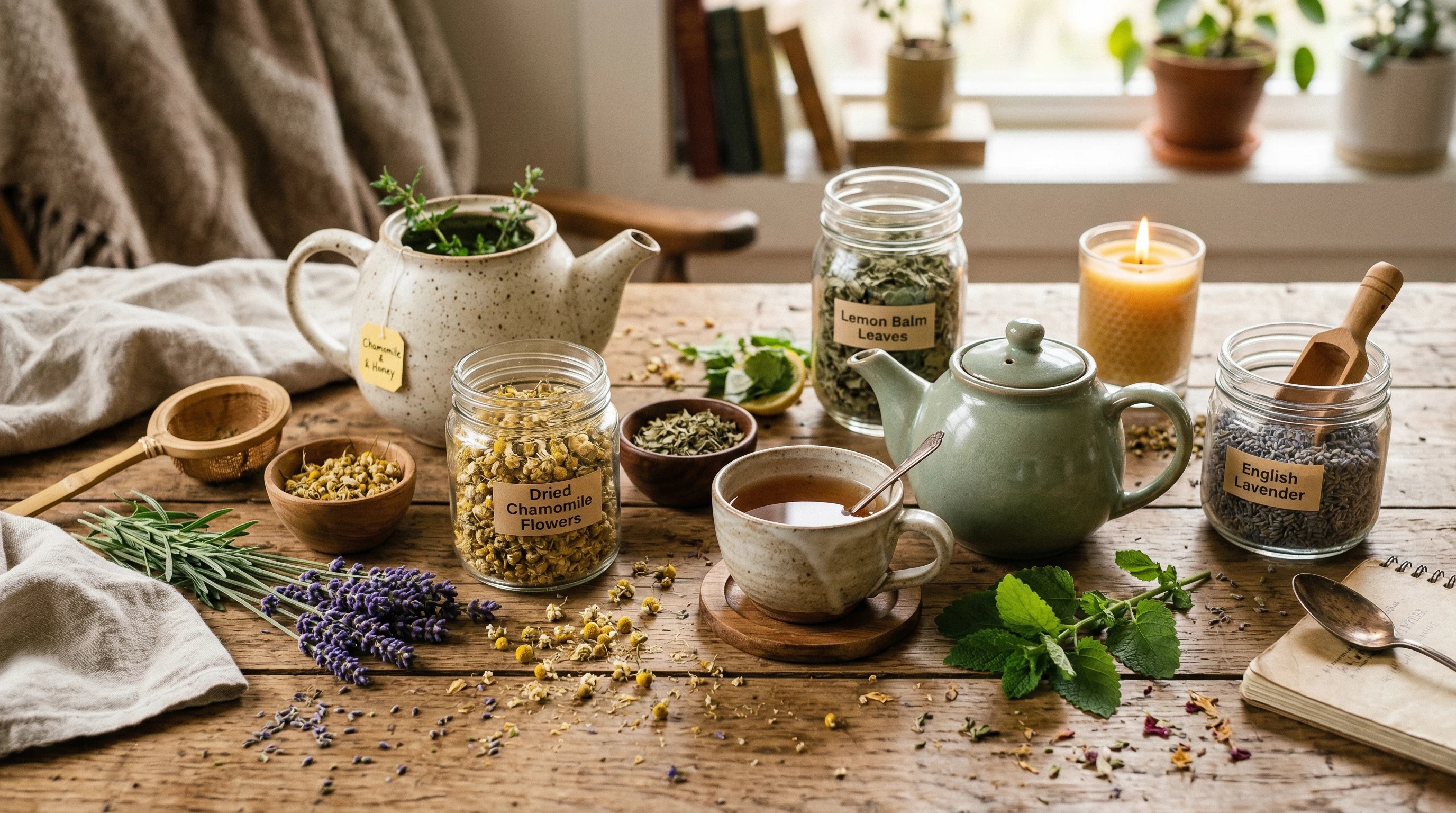
As an Amazon Associate, I earn from qualifying purchases
Herbal tea isn’t just a cozy brew. It is a simple way to support your health and help your body handle whatever comes your way. If you are hoping to unwind after a busy day or ease an upset stomach, there is usually a herbal blend out there that fits what you need.
Deciding which herbal tea to try might feel overwhelming at first. Grocery shelves are lined with blends for energy, sleep, digestion, and every wellness goal you can think of. Finding the right tea starts with knowing what your body’s asking for and matching it to what different herbs can offer.
This guide lays out what to know about herbal teas, how they can help with stress and relaxation, and how to pick one that lines up with your health goals. With a few tips, you will have no trouble narrowing down your options and getting the most out of your next cup. Plus, learning the basics ensures you are not just choosing a tea by its pretty packaging but by its real benefits.
If you are looking for some herbal teas, CLICK HERE to choose and get them
Figure Out Your Health Goals
Before picking out herbs, take a minute to get specific about why you want to add herbal tea to your day. Sometimes, your top goal is pretty clear; maybe you want to wind down in the evening, soothe your digestion, or just boost your general wellness. Writing down your reasons helps narrow things down from the start and makes it easier to find that perfect blend.
Questions Worth Asking Yourself:
- What is the main reason I want to drink herbal tea: stress support, sleep, digestion, or something else?
- Do I have any allergies or medications that rule out certain herbs?
- Am I looking for something caffeine-free?
- Do I want a tea for daily sipping or only as an occasional boost?
Common Herbal Tea Goals:
- Stress relief and relaxation
- Better sleep
- Improved digestion
- Immune support
- Mild pain relief (like for period cramps or headaches)
Once you know your goal, you will have an easier time picking herbs that line up with what you want. Sometimes the best method is to write your goals down and check out which herbs pop up for those needs.
Match Herbs to Your Needs
Each herb brings something different to the table, so picking the right one is really important. Here is a quick look at what some of the most popular herbs can do, plus who might want to steer clear.
Best Herbs for Stress Relief & Relaxation
- Chamomile – Famous for its calming effect, chamomile is the classic choice if you want to wind down before bed or chill out after a long day.
- Lemon Balm – Tastes lightly citrusy and can help calm frazzled nerves or an anxious tummy.
- Lavender – Has a gentle flavor and is often included in blends designed to promote relaxation and better sleep quality.
- Passionflower – Less common in stores but known for its calming, sleep-promoting benefits.
Herbs for Digestion
- Peppermint – Can relieve bloating and soothe an upset stomach. Just a heads-up, it may not be the best option for those with acid reflux.
- Ginger – Supports digestion, helps with nausea, and is pretty warming on cold days.
- Fennel – Mildly sweet and can help ease gas or stomach cramps.
Herbs for Immune Support
- Echinacea – Popular during the cold season, though opinions are mixed on how much it helps. Still, it’s worth checking out if you’re hoping to avoid bugs.
- Elderberry – Used traditionally for immune support, though more research is being done.
Other Useful Herbs
- Rooibos – Naturally caffeine-free, high in antioxidants, and safe for just about everyone, including kids.
- Holy Basil (Tulsi) – Said to help your body manage stress, and has a slightly spicy, earthy flavor.
Don’t hesitate to mix in some variety and try out new blends with these herbs to find what works best for your mood and needs. Even if you are used to one type, sometimes a fresh combo is exactly what you need for a change.
If you are interested in getting some herbal teas, CLICK HERE to choose and get it
Read Labels & Research Blends
Not all herbal teas are created the same way. Some are made with high-quality, organic herbs, while others may have added flavors or fillers. Checking the ingredient list helps you know exactly what is in your cup and ensures you are not getting anything unexpected.
What to Look For:
- Simple ingredient lists; just herbs, not a bunch of unpronounceable extras
- Organic or sustainably sourced, often better for you and the planet
- No added sweeteners or artificial flavors (unless you prefer a little sweetness!)
If you are buying loose-leaf tea from a local shop or market, staff usually know a lot about their blends and can point you toward what fits your needs. Don’t hesitate to ask, especially if you are new to herbal teas; their advice can help you avoid common beginner mistakes.
When in doubt, double-check info from trusted herbalism sites or books. One useful resource is the NCCIH Herbs at a Glance, which covers common herbs and what they’ve been studied for. It’s a super detailed site if you want to dig a little deeper.
Pay Attention to Taste & Preference
Even the healthiest tea won’t help if you can’t stand the flavor. Luckily, herbal teas come in a huge range of taste profiles, from sweet and floral to earthy and spicy. When starting out, it is worth sampling a few kinds before settling on your favorite, since taste plays a big role in forming habits.
Tips to Find Flavors You Will Actually Enjoy:
- Start with sample-size portions. Lots of brands sell sample packs so you can try before you invest in a full box.
- If one herb tastes too strong, try a blend that mixes milder flavors like chamomile with bolder notes like peppermint or ginger.
- Add a splash of honey or a squeeze of lemon if you want a little extra flavor, but sample it straight first so you know what you are working with.
You can combine more than one herb to create a blend that works for both your taste buds and your health goals. Trying out new blends once in a while keeps things interesting and lets you discover new favorites.
How Herbal Tea Supports Stress Relief & Relaxation
Sipping warm herbal tea has become my go-to when I need to relax after a tough day or quiet my mind before bed. The act of making tea is calming all by itself; a quick ritual that signals it is time to slow down.
Herbs like chamomile, lemon balm, and lavender contain natural plant compounds that interact with the nervous system in gentle ways. Chamomile, for example, has been shown to help reduce feelings of anxiety and promote more restful sleep (source). Lemon balm can also help mellow out racing thoughts, making it easier to handle daily stressors without getting overwhelmed.
I keep a box of calming blends with me at home and at work, and I have really noticed the difference in how I handle stressful moments. Making herbal tea part of your daily routine isn’t a replacement for medical care or therapy, but it’s one simple, soothing step that can make tough days a little easier. Plus, these moments provide an opportunity to check in with yourself and set the tone for the rest of your evening.
Safety Tips & Common Questions
Is herbal tea safe for everyone?
Most people can enjoy herbal teas without any trouble, but it is smart to check with your doctor if you are pregnant, nursing, on medication, or have allergies to plants (like ragweed, which is related to chamomile). Some herbs interact with certain meds, so a quick check-in is always worth it. Safety also means steering clear of any blends that include herbs you are unfamiliar with until you have checked them out.
How much should I drink?
One to three cups a day is pretty typical for most herbal teas. For relaxing blends, having a cup in the evening can help you unwind, while digestive blends are useful after meals. Too much of anything isn’t ideal, so tuning in to your body’s response makes sense.
Loose-leaf or teabags?
Both work well! Loose-leaf blends give you a little more control over strength and can taste fresher, but bags are super convenient and easy to stash in your bag for busy days. The choice is totally up to your lifestyle and preference.
Making Herbal Tea Part of Your Routine
Now that you know how to match herbal tea to your health needs, try picking one new variety to sip during a time when you need it most; maybe right after dinner, as part of a bedtime routine, or even at your desk for a midday break. Listen to your body and adjust until you find a routine that feels good for you.
Quick Action Plan:
- Decide what you want herbal tea to help with: stress, sleep, digestion, or something else.
- Pick one new herbal tea and make a cup at the time you need support most.
- Note how you feel a few hours later: relaxed, comfortable, or just a little bit happier.
Conclusion
Herbal teas are a great idea for our health, immunity, stress relief, and relaxation. Personally, I like to choose herbs from my garden to be used as teas, like peppermint, chamomile, and oregano. At the same time, there are herbs that cannot grow in my garden or locality. Some of them I really like to try. Surely it is up to you what you choose and from where.
What’s your favorite herbal tea for relaxation? Share your top pick or a new blend you are excited to try! And keep exploring—there’s always another comforting cup waiting for you to stumble upon.
What do you think about this article? Do you have any advice or suggestions? Please let us know your thoughts and write in the comment section below.
Are you interested in drinking some herbal teas? CLICK HERE to choose and get them
Meditation is one of the best choices for relaxation and stress relief. CLICK HERE to learn more about it
I would like to hear from you, so please leave me a comment below to let me know if this article helped you.
If you want to know more about ways you can manage stress, please subscribe to this blog.
If you think this article is helpful, please share it.
Thank you! Have a nice day! Until later
Linda Mo
Founder and owner of How To Reduce Stress Naturally