Today, it is time to talk about magnesium as a vitamin and supplement again. Magnesium is a great vitamin for stress management. So let’s explore that more today!
If you have ever found yourself wishing for a little less stress and a bit more calm in your life, you are definitely not alone. Honestly, I think most of us feel that way. These days, stress feels almost standard, but there is actually a nutrient that can quietly help you find your chill: magnesium. Here, I will show you how magnesium helps your mind and body relax, why it actually works, and the best ways to get more of it in your daily routine. If the world feels overwhelming, this is worth checking out.
Why Magnesium Is a Game Changer for Stress Relief
Magnesium is one of those minerals you might not think about much, but it is involved in over 300 different processes in your body. One thing it does really well is help regulate your nervous system, which basically decides whether you are chill or tense. Its behind-the-scenes influence is much bigger than most people realize.
Studies, including some from the National Institutes of Health, show that people who don’t get enough magnesium are more likely to struggle with stress, anxiety, and sleep interruptions. Magnesium helps lower the release of stress hormones like cortisol, and encourages your body to switch from “fight or flight” mode to a more restful state.
Magnesium is not just about relaxing muscles (though it is great for that, too). It also helps keep your mind calm, improves sleep, and even helps manage mood swings. Also, if you are someone who clenches your jaw, tosses and turns at night, or feels wired even after you have stopped working, magnesium could make a pretty noticeable difference. It is a secret hero for both body and mind.
How Magnesium Works to Quiet the Mind & Body
The science behind magnesium’s calming powers gets pretty interesting. When you are stressed, your adrenal glands pump out stress hormones. Magnesium really can “dial down” this system, keeping those hormones in check. That is why some people notice their tension fade after they boost their magnesium intake.
- Interacts with neurotransmitters: Magnesium supports healthy GABA levels. GABA is your brain’s main “chill out” chemical, making it easier to unwind and sleep.
- Reduces muscle tightness: It helps relax muscle fibers, so if tension sits in your shoulders or you get restlessness at night, magnesium can really help.
- Balances your mood: Low magnesium is tied to more anxiety, irritability, and swings. Getting enough may help even out your emotional ups and downs.
- Improves sleep quality: Magnesium supports steady, restful sleep, so you wake up feeling actually rested, not groggy or anxious.
All these actions work together, making magnesium a really solid option if you want a simple (and natural) way to manage stress and feel better day to day. It is this unique blend of effects that gives magnesium its calming reputation.
If you want to get magnesium supplements, CLICK HERE to choose and get them.
Simple Ways to Get Enough Magnesium
Most of us don’t hit the recommended magnesium target. Some estimates put nearly half of the people slightly deficient. Here are a few simple ways you can boost your intake:
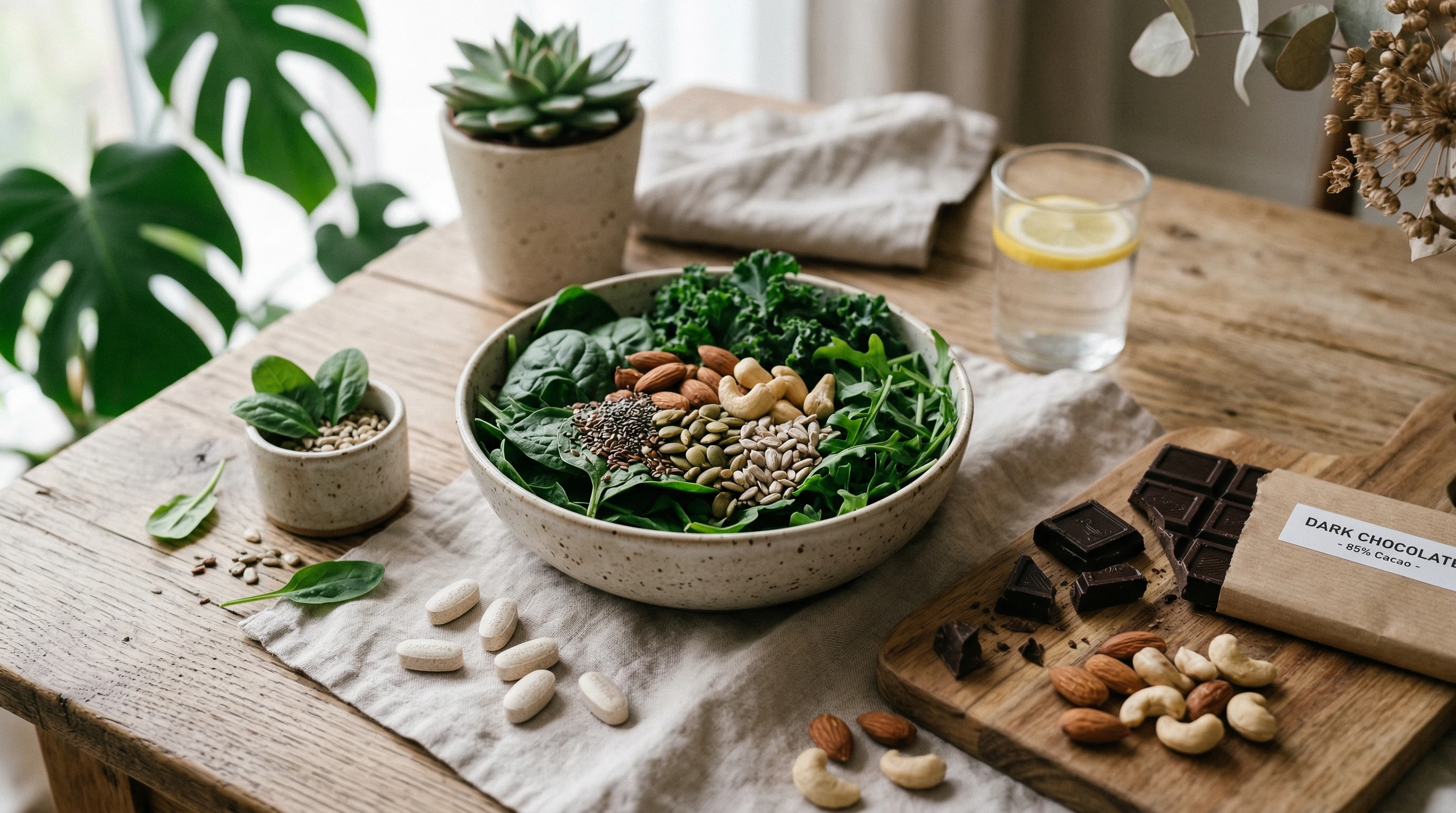
- Eat magnesium-rich foods: Dark leafy greens, pumpkin seeds, almonds, black beans, and even dark chocolate are super sources. Including these at meals adds flavor and extra nutrition without extra effort.
- Try a magnesium supplement: If you are not getting enough from your diet, supplements can fill the gap. Magnesium glycinate and citrate are two gentle forms for most people.
- Use topical magnesium: Magnesium sprays or bath soaks are great for post-workout recovery or nighttime relaxation—no pills required. A warm soak is especially soothing after a busy day.
If you try a supplement, it is a good idea to talk with your doctor first, especially if you have any health concerns. And while it is pretty hard to get too much magnesium from food, excess from supplements might cause stomach upset for some people. Always listen to your body as you try new forms.
Everyday Benefits You Will Notice
Once you start giving your body enough magnesium, here are some things you might honestly notice within a week or two:
- Less muscle soreness and fewer weird cramps
- Lighter mood swings and a more positive outlook
- Calmer evenings, less tossing and turning at night
- More patience in stressful situations (always handy, right?)
- Steadier energy—no more big burnout dips in the afternoon
I personally noticed falling asleep became a lot easier, and those little afternoon “stress spikes” felt less rough. For many people, the benefits build up gradually as your body recharges its low stores. It is subtle but seriously helpful. Magnesium often goes unnoticed at first, but over time, many people become genuine believers in its steady impact.
What to Know Before Starting Magnesium
Adding magnesium to your routine is pretty straightforward, but there are a few things I always keep in mind:
- Go slow if using a supplement: Some products can act like a laxative if you take too much, so start low and see how you feel. Your system needs a chance to adjust.
- Check your current medications: Magnesium can interact with some medicines, like certain antibiotics or blood pressure pills. When in doubt, check in with your doctor before making changes.
- Look for signs of deficiency: If you get a lot of muscle twitches, experience unexplained fatigue, or deal with insomnia, these can be signs you are running low. Often, your body sends clues you can spot once you know what to look for.
Best Forms of Magnesium
Not all forms of magnesium are equally easy for your body to use. Here are three I would call the best ones:
- Magnesium glycinate: Gentle on the gut, really good for relaxing both body and mind.
- Magnesium citrate: Absorbs easily, but can have a laxative effect if you take a lot. Good for occasional constipation, too.
- Magnesium chloride: Often used in topical sprays and soaks for muscle relaxation.
Each type has its benefits, so feel free to experiment a little to find what works best for you. Pay attention to how your body reacts, as everyone’s ideal is a bit different.
To get Magnesium supplements, CLICK HERE
Common Challenges and How To Handle Them
If you are thinking about upping your magnesium, you might bump into a few hurdles. I get questions about these all the time:
- Digestive issues: If magnesium upsets your stomach, switching to a different type (like glycinate) usually solves the problem. Taking it with food is another easy fix. Your body often takes a little time to adjust.
- Remembering to take it: Magnesium works best as a habit. Adding it to a nightly routine, like with your tea or a book, makes it simple to remember. Setting a reminder never hurts, either!
- Worried about interactions: Just check in with any healthcare provider if you are already on other prescribed medicines. They will be happy to help you sort it out.
Cool Benefits of Magnesium for Stress Beyond the Basics
Magnesium comes with a few extra bonuses, especially when it comes to handling day-to-day tension:
- Supports heart health: Chronic stress can put pressure on your heart, and magnesium helps keep your heartbeat steady and blood pressure in a healthy range. A calm heart often leads to a calmer mind.
- Aids PMS and hormonal changes: Many people find magnesium soothes monthly cramps and mood swings, making those stressful days a bit more manageable. Hormones often affect stress, so this is a double-win.
- Cuts down on migraines: If stressful days often end in headaches, magnesium’s relaxing effect on blood vessels helps reduce both the number and severity of migraines. This can mean the difference between losing a whole day and pushing through feeling fine.
That is a pretty nice list of “bonus features” for one tiny mineral. These extras are why magnesium is a popular natural helper for all ages.
Frequently Asked Questions
These are a few questions I hear most about magnesium and stress:
Question: How long does it take to feel a difference from magnesium?
Answer: Some people notice milder anxiety or less trouble falling asleep within a week, but for most, it can take a few weeks of consistent use. It builds up gently and lasts as long as you keep your levels up.
Question: Can I get enough magnesium from food, or do I need supplements?
Answer: If you love leafy greens, nuts, beans, and seeds, you might get enough from food alone. Many people fall a bit short, though, so supplements are sometimes helpful, especially during higher-stress seasons or if routines are off.
Question: Are there any risks if I use too much magnesium?
Answer: Most of the time, your kidneys just flush the excess, but too much (especially from supplements) can cause loose stools or, in rare cases, affect your heart if you have certain health conditions. Stick to the recommended amount if you are unsure, and always check with a doctor if you are concerned.
Real Life Success Stories and Daily Tips
I have heard from people who have found real relief from chronic work stress, busy parents who finally got a full night’s sleep, and athletes who feel less sore after bringing magnesium into the mix. If you are looking for simple ways to add magnesium, try starting your day with a green smoothie, sprinkling seeds on salads, or relaxing with a calming bath soak. Even small changes can make a difference.
Everyone’s routine looks a bit different, so it is about finding what fits your life. Magnesium isn’t a quick fix, but over time, it is a great foundation for feeling calm, steady, and a lot more like yourself. Whether you are dealing with day-to-day hassles or looking to boost your baseline wellbeing, magnesium is a tried and tested tool to keep you at your best.
Conclusion
Magnesium is really helpful for our health, well-being, and stress management. It can be described as unlocking the power of calm. This is how useful this element is for our well-being, and I would also say for less stress, relaxation, and a happier life.
What do you think about this article? Do you have any advice or suggestions? Please let us know your thoughts and write in the comment section below.
If you want to get magnesium supplements, CLICK HERE to choose and get them.
Meditation is the best way to relax and reduce stress. CLICK HERE to learn more about it
I would like to hear from you, so please leave me a comment below to let me know if this article helped you.
If you want to know more about ways you can manage stress, please subscribe to this blog.
If you think this article is helpful, please share it.
Thank you! Have a nice day! Until later
Linda Mo
Founder and owner of How To Reduce Stress Naturally