
Today, we are going to talk about something that we don’t talk much about, and maybe it may seem silly to some of us. So, how to incorporate stress relief toys in your daily routine? The topic of stress relief toys for adults was talked about in this website and the benefits they can offer.
This time is important to touch on the subject of how we can add stress relief toys to our daily lives. Let’s explore! We should do everything for our stress relief and well-being!
As an Amazon Associate, I earn from qualifying purchases
Bringing stress relief toys into your daily routine can be a simple way to make your days less tense and more enjoyable. I used to think these toys were just for fidgety kids, but now I keep a few on my desk and in my bag. I have noticed I am calmer and more focused, especially when work gets busy. If you are new to the idea or just want easy tips, this guide walks through how to fit stress relief toys into different parts of your day.
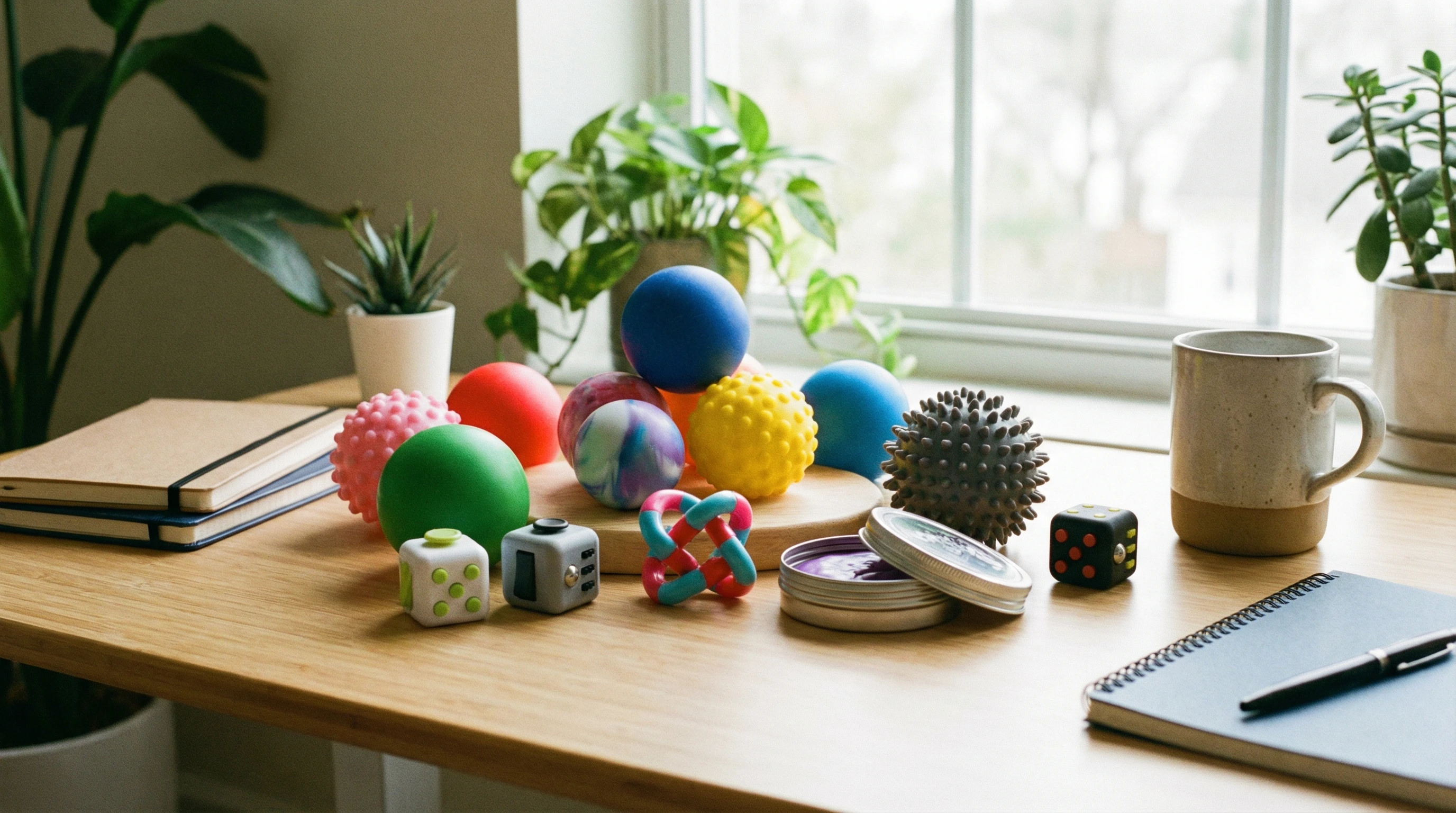
There are so many options to pick from: squeeze balls, fidget cubes, putty, magnetic rings, and even desk gadgets that spin or click. You don’t need a collection to start seeing the benefits. Just a single toy you actually enjoy can help lower your stress and give your mind a quick break. These toys can also let you channel nervous energy, pause to reset your focus, and sometimes even spark creativity during a lull. For instance, a simple fidget object can soothe nerves before a presentation, or a little putty on your desk might help you wind down after a tough call.
Do you want to get a stress ball? CLICK HERE to find out
Here is how to add stress relief toys to your everyday routine so you get subtle but helpful breaks, whether you’re working from home, at the office, or even trying to unwind after a long day.
Figure Out What You Want From Your Stress Relief Toy
Before grabbing the first thing you see at the store, think about what you actually need. Are you looking for something to help you focus at your desk? Maybe you want a way to burn off nervous energy before a meeting, or calm down after work. Different stress relief toys work in different ways, so it helps to get clear about your goals. Some people need a sensory toy that keeps their hands busy, while others want a tool they can stash at home for relaxing evenings. If you are unsure, check out a few products online and see which ones stand out to you.
Questions To Consider:
- Do you want something quiet and subtle, or do you prefer something a little more fun and playful?
- Are you sensitive to certain textures or sounds?
- Where will you use your toy most? At work, in the car, at home, or even while out walking?
- Is it important that it fits in your pocket or bag, or will it stay on your desk?
Popular Goals for Stress Relief Toys:
- Keeping your hands busy during meetings or calls
- Calming nerves before stressful tasks like public speaking
- Helping with focus when reading or brainstorming
- Relaxing after intense moments at work or school
- Distracting yourself from habits like nail biting or pen clicking
Once you know what you want, it is easier to pick a stress relief toy that feels practical for your lifestyle. You might even want to jot down your top priorities to help narrow up your choices at the store.
Pick the Right Stress Relief Toy For You
When you are ready to try a stress toy, you will see tons of options. I recommend choosing one that feels right in your hand and matches where you want to use it. Nobody wants to fiddle with something that doesn’t feel comfortable or feels too noisy in a quiet office. It helps to try out a couple at a store or ask friends which ones they have found useful. There are even online communities where people swap reviews and share their favorite picks.
Common Types of Stress Relief Toys:
- Stress Balls/Squeeze Balls: Good for squeezing out stress. Fits in your palm and is easy to use at your desk.
- Fidget Cubes/Spinners: Fun to click or spin, great for short breaks or while thinking.
- Putty or Therapy Dough: Stretch and knead, super useful for calming down and improving focus.
- Magnetic Rings or Stones: Rotate, stack, or flip during calls or podcasts.
- Desk Gadgets: Small sand timers or pendulums that add a chill, visual element to your space.
Pro Tip:
Test a few different types if you can. Sometimes the toy that looks the most eye-catching isn’t the one you end up using every day. Pay attention to what feels soothing and easy to carry around. If something doesn’t work for you, don’t be afraid to trade it for something new—you will eventually stumble upon a favorite.
Make Stress Relief Toys Part of Your Daily Flow
It is easy to buy a stress toy and forget about it after a few days. The trick is to put it somewhere you will see it and set simple reminders to use it. Building this little tool into your day makes regular stress breaks a habit, rather than an afterthought.
How to Slot Them Into Your Routine:
- Keep a stress ball or fidget cube on your desk. Use it when you are reading emails, waiting for programs to load, or on long phone calls.
- Stash a small toy in your pocket or bag. Pull it out for quick stress relief while waiting in line, riding the bus, or during breaks outside.
- Set reminders on your phone. Give yourself a nudge to take a “stress toy break” at busy points in your day.
- Pair use with regular habits. For example, mess with putty while brainstorming, or play with a fidget ring while planning tasks.
- Consider keeping one by your bed to help you unwind at night before sleep.
Pairing your toy with something you do every day makes it less likely to slip your mind. Over time, it becomes a seamless part of your self-care routine.
Make It Subtle If You Need To
Some offices or classrooms are super quiet, and you might not want anything distracting. You can still get the benefits of a stress relief toy without calling attention to yourself. Discreet options let you de-stress and stay focused without turning heads.
Low-Key Options:
- Try silent stress relievers like therapy putty or soft fidget stones.
- Pick smaller toys that fit in your hand and don’t make noise.
- Keep your toy in your lap or under the desk if you get self-conscious.
Using stress relief toys is all about comfort, so go for whatever setup works best for your environment. Not every toy has to be bright and next-level cool—sometimes the quietest, simplest items are the ones you stick with long term.
Use Stress Toys To Break Up Tough Moments
Stress relief toys aren’t just for steady routines. They are handy for switching gears after something difficult, too. When I finish a stressful meeting or a tricky phone call, squeezing a stress ball even for a minute helps clear my head and recharge. These physical actions can cue your brain that you are shifting gears and help you move on from a tough experience.
Smart Ways To Use Toys for Stressful Moments:
- Pick them up right after tense conversations or feedback sessions.
- Keep one nearby during big projects or tight deadlines to give your mind brief pauses.
- Make a habit of having a short “fidget break” after you finish a big task or wrap up a challenging session.
These tiny pauses help reset your mood. It becomes easier to start fresh on the next thing—sometimes all it takes is sixty seconds of squeezing a ball or spinning a ring.
Switch It Up If It Gets Old
If you catch yourself ignoring your stress relief toy or feeling like it is not helping anymore, it might be time for something new. Rotating toys, or even trading with a friend, keeps the routine fun and the benefits going strong. Novelty can be a key motivator—don’t hesitate to try out something you wouldn’t usually pick.
How to Keep Your Routine Fresh:
- Try different textures or types (like switching from a squeeze ball to a smooth stone or fidget spinner).
- Get themed toys that fit the season or your hobbies—maybe a wintery color or one shaped like your favorite animal.
- Move your toy to a new spot. A change of scenery can make it feel brand new again.
- Consider teaming up with coworkers or friends to share and trade new toys, building a small community of stress relief ideas.
No need to stick with the same thing if it is stopped being helpful. Swap it out for whatever feels best in the moment, and don’t force yourself to stick with a toy that is lost its effect.
Common Questions & Quick Tips
I get distracted using stress toys. How can I stay on track?
Focus on simple, repetitive toys like squeeze balls or putty. Save the more playful gadgets for breaks, not important meetings or tasks that need your full attention.
Are stress relief toys just for people with anxiety or ADHD?
Anyone can benefit from them. Even if you are just a little restless or want to keep your hands busy, stress toys work for everyone who deals with stress (so, pretty much all of us).
How do I know if my stress toy is working?
- You feel calmer, less fidgety, or more focused after using it.
- You actually remember to use it on tough days (this is a good sign it feels right for you).
- You look forward to your quick breaks, instead of dreading them.
- Your productivity improves, or you feel less tension at the end of the day.
Simple Ways To Get Started
Fitting stress relief toys into your daily routine doesn’t have to be complicated. Start with one toy that seems fun to you and put it in a spot you see every day. Notice how you feel after using it for a few minutes; if it helps, keep going and try other types if you want. Adding more over time can expand your options and match your changing needs.
Your Quick Action List:
- Pick a stress relief toy (start small—maybe a squeeze ball or soft putty).
- Choose a regular time or trigger to use it each day.
- Mix things up if your toy starts feeling stale.
- Share your favorite with friends or family—sometimes the best routines come from trying out someone else’s pick.
Conclusion
As you saw, it is easy to incorporate stress relief toys in your daily routine. Just need to keep in mind to remember those tips and ideas mentioned in this article.
With a little experimenting, you will find a routine that takes the edge off tough days or gives you a focus boost when you need it. Got a favorite stress relief toy? Let me know what works for you!
What do you think about this article? Do you have any advice or suggestions? Please let us know your thoughts and write in the comment section below.
Meditation is always helpful for stress relief and your well-being. CLICK HERE to learn more about it
I would like to hear from you, so please leave me a comment below to let me know if this article helped you.
If you want to know more about ways you can manage stress, please subscribe to this blog.
If you think this article is helpful, please share it.
Thank you! Have a nice day! Until later
Linda Mo
Founder and owner of How To Reduce Stress Naturally