Today, we are going to explore how to meditate for stress relief and do that effectively. Meditation, for sure, is much more than that, but in a way, we all want to reduce stress in our lives, and meditation can be a tool to do so. We are busy, and then also comes stress; meditation can be something that can help us in this regard. Let’s see!
Beginner’s Guide To Meditating For Stress Relief
Feeling overwhelmed or anxious is something most people go through now and then. I have definitely had my fair share of stressful days, and meditation is one tool I use when I need to keep stress in check and boost my mood. If you have never tried meditation before, or if you have given it a shot but couldn’t quite get the hang of it, you will stumble upon clear answers and simple tips right here. I’m sharing what has actually worked for me and plenty of practical advice, so you can feel comfortable starting out and see the benefits for yourself.
Getting Started With Meditation
What is Meditation?
Meditation is a practice where you focus your mind and calm your thoughts, often by paying attention to your breath. There is no need for special cushions or particular music. It is just about pressing pause, even if only for a few minutes each day. Meditation can help lower stress, improve focus, and bring a sense of calm. According to resources like Mayo Clinic’s meditation guide, the habit is easy to add to your life and can give a boost to everyday well-being.
Is Meditation Good For Everyone?
Meditation is super adaptable; anyone can give it a try. You don’t need to sit a certain way or completely clear your mind. It works for all ages and lifestyles, and even just a minute or two during a hectic day can offer relief. You can also tailor it to fit a busy schedule, making it one of the most accessible stress relievers.
What Are The Main Types Of Meditation?
There are several styles, but the most popular for stress relief are:
- Mindfulness Meditation: Paying attention to your breath, feelings, and thoughts without judgment.
- Guided Meditation: Listening to a recorded voice or app that leads you step by step.
- Body Scan: Focusing awareness on different parts of your body in sequence, relaxing each as you go.
- Breath Awareness: Counting or following the rhythm of your breathing.
Each type has its perks, so you might want to switch things up and experiment until you find what clicks best for you. Remember, there is no single “right way” to meditate; the main idea is finding what makes you feel calm and centered.
How To Meditate For Stress Relief
What’s the Best Way To Start?
I always suggest starting simple. Find a quiet spot; you don’t need total silence, but somewhere comfortable helps. Sit or lie down, close your eyes if that feels right, and just start by noticing your breath. You might want to set a timer (5 minutes is plenty to start). If your mind wanders, just gently bring your attention back to your breathing. Remember, no pressure and no judgment if you get distracted.
Which Techniques Actually Help With Stress?
Some methods work especially well for calming nerves and unwinding after a busy day. Here are a couple worth trying:
- Breath Counting: Quietly count your inhales and exhales up to ten, then start again. This resets racing thoughts and gently brings you into the moment.
- Progressive Relaxation: Work from your toes up to your head, tensing and then relaxing each muscle group. This helps get out of your head and into your body, which feels pretty grounding.
- Guided Meditations: Free apps like Insight Timer or Headspace walk you through short, relaxing meditations perfect for high-stress days.
Play around with these techniques, and use what feels good. You may even make your own blend of methods over time, adding in slow music, nature sounds, or other elements that help you unwind.
Common Questions About Meditation
How Long Should I Meditate?
Even just a few minutes every day can be really helpful. I find that 5-10 minutes is enough to start feeling a difference. Some people like making it a quick break at lunch, while others prefer winding down before sleep. The key is regularity. You can always go longer if you want, but keeping it easy lowers the pressure and helps you look forward to each session.
What If I Can’t Clear My Mind?
Clearing your mind isn’t really the goal. Thoughts will come up—mine sure do! The key is to notice them and gently bring your focus back. Progress isn’t about perfect stillness. It is about being present and kind to yourself, even when your thoughts bounce all over.
Why Do I Feel Restless or Anxious When Meditating?
This is super common at first. Sitting quietly can feel strange when you are used to being busy. Try shorter sessions or guided meditations. Fidgeting or adjusting your position is completely normal. Over time, you will likely get more comfortable and feel more relaxed during these moments.
Can I Meditate Lying Down?
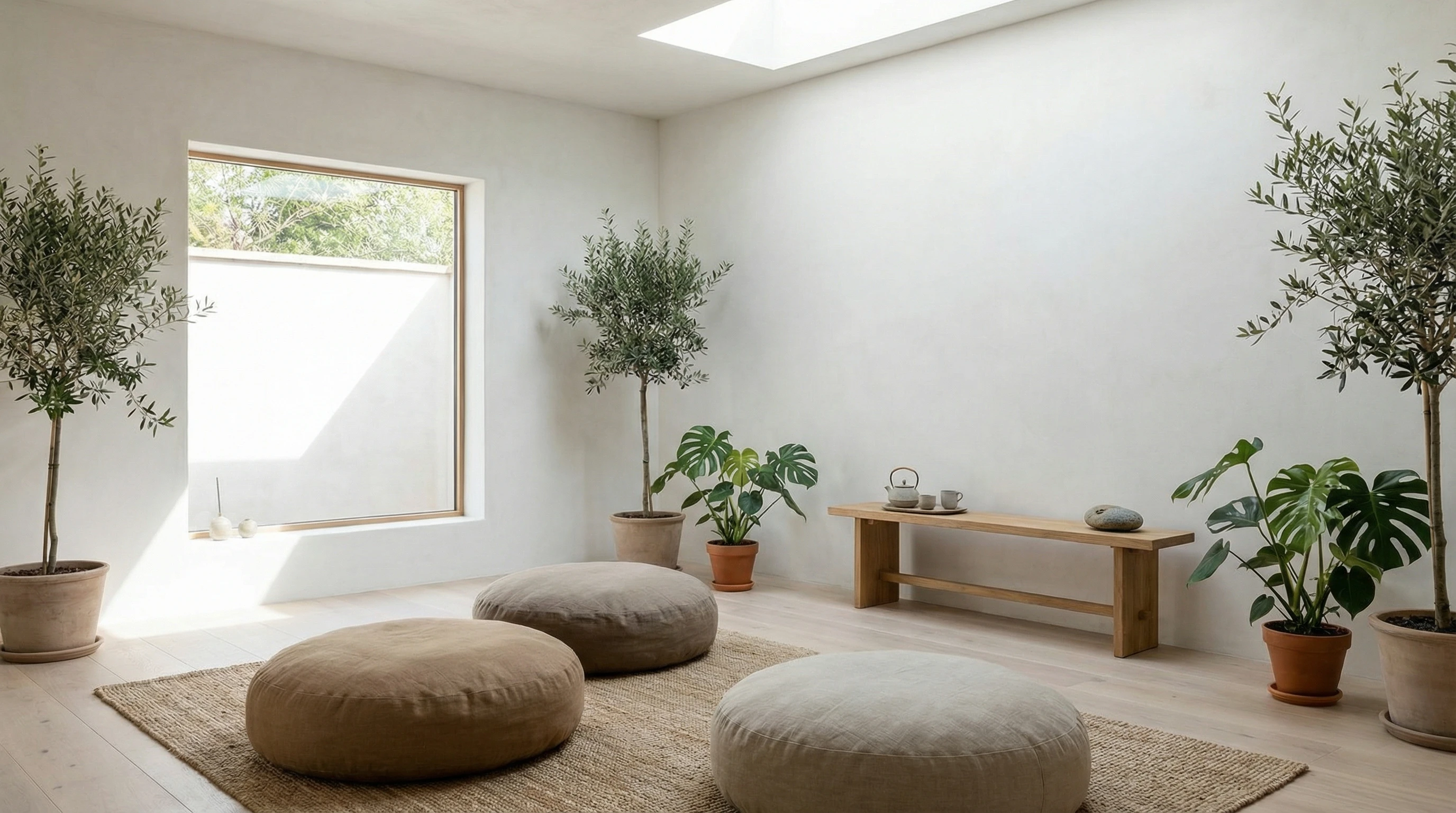
Absolutely! The most important thing is comfort. If lying down makes you sleepy, try sitting on a couch or in a chair. Your posture doesn’t need to be perfect; it should just feel natural for you. Whether it is in a cozy corner, at your desk, or even outdoors, make the space inviting so you look forward to practicing again.
Practical Tips For Lasting Results
How Do I Stick With It?
Building a meditation habit is a lot like starting a new workout. Short, regular sessions make it easier to stick with. A reminder on your phone, pairing meditation with another habit (like morning coffee), or using an app can help keep you on track. You could also try writing down how you feel after each session to see the progress and have that little boost of motivation.
Does Meditation Work With Other Stress Relief Methods?
Absolutely. Meditation pairs well with physical activity, therapy, journaling, and mindful breathing exercises. You can even mix in some variety by listening to calming music or using aromatherapy if that helps set the mood. If you are interested in how other people fit meditation into their routines, Healthline’s guide to meditation for anxiety shares some creative ideas and real-life experiences that you might find useful on your own adventure.
Don’t be afraid to experiment or tweak things as your lifestyle changes. Even if you can only grab a few minutes here and there, it is about showing up for yourself consistently—not about perfection.
Conclusion
I am sure we all want to know how to meditate for stress relief effectively, and hopefully, this guide and many articles about meditation for stress reduction on this blog will help you too.
Do you have more meditation questions? Curious about making meditation work for your busy routine or managing stress at work? Feel free to reach out. I am always happy to give practical tips or share favorite resources!
And if you are already meditating, I would love to hear what is helping you—your feedback just might encourage someone else to start their own stress relief adventure.
What do you think about this article? Do you have any advice or suggestions? Please let us know your thoughts and write in the comment section below.
Meditation is a great way for stress relief. CLICK HERE to learn more about it
I would like to hear from you, so please leave me a comment below to let me know if this article helped you.
If you want to know more about ways you can manage stress, please subscribe to this blog.
If you think this article is helpful, please share it.
Thank you! Have a nice day! Until later
Linda Mo
Founder and owner of How To Reduce Stress Naturally