Today, our topic is Vitamin B1 and how it can help reduce stress effectively. We all know, for now, more or less how important vitamin B1 is for our well-being and stress management. Let’s explore more about how good and effective they are for stress relief!
Everything You Need to Know About Vitamin B1 and Stress Relief
Ever wondered how a simple vitamin could help manage stress? Vitamin B1, also known as thiamine, might be one of your body’s best tools for handling daily tension and anxiety. I am breaking down everything you need to know about how this nutrient supports a calm, steady mind. We will go from the basics to real-life habits that can make a difference—so let’s get started and check out how B1 can give your mental health a boost.
If you wish to get vitamin B1 supplements, CLICK HERE for more information
Basics of Vitamin B1
What Is Vitamin B1?
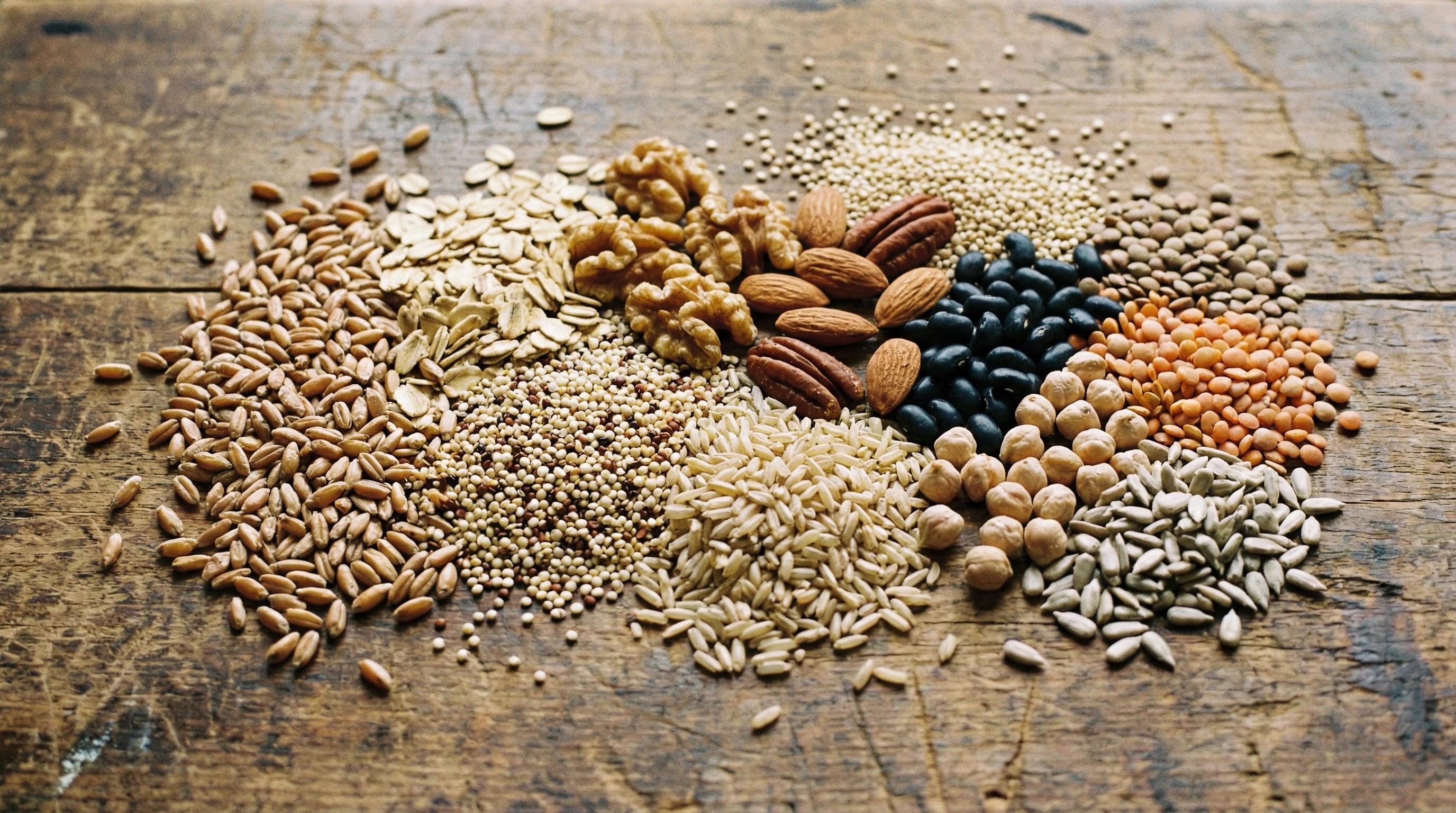
Vitamin B1 (thiamine) is a water-soluble member of the B vitamin family. You will find it in foods like whole grains, beans, nuts, and certain meats. Your body can’t make thiamine, so you need to get it from what you eat or through supplements.
Why Do We Need B1?
B1 is pretty handy for converting what you eat into energy, especially for your brain and nervous system. Without enough thiamine in your diet, you might notice feeling tired, foggy, or even more irritable than usual. Even a mild deficiency can throw a wrench into your ability to handle daily stress or stay focused.
The Connection Between Vitamin B1 and Stress
How Thiamine Affects Mood and Stress
Your brain uses B1 to help turn glucose into energy, which keeps your mental processes running smoothly. If you are low on thiamine, you might find it harder to handle stress, focus, or maintain a positive mood. Some research (like this review) shows that people with thiamine deficiency can experience increased anxiety, tension, and symptoms that look a lot like burnout. In high-stress times, your body can use up thiamine more quickly, making it even more important to keep your levels up. Staying sharp mentally and emotionally often comes down to the basics, like making sure you are getting enough B1.
What Happens When You Get Enough B1?
Plenty of B1 in your system can help your body respond more calmly to stressful events. Some people notice more mental clarity, less fatigue, and just a better ability to “bounce back” from daily hassles. B1 doesn’t work like a sedative or a magic switch. Instead, it quietly supports your nervous system so life’s bumps don’t knock you off track as much. One bonus: steady thiamine helps you get the most out of other stress-busting habits, such as exercise, meditation, or even getting a good night’s sleep.
Where to Get Vitamin B1?
Good Food Sources
I always like to start with food since it is the most natural way to get your nutrients. Top sources of B1 you might have in your kitchen include:
- Whole grains (brown rice, oats, barley)
- Sunflower seeds
- Beans and lentils
- Pork and other lean meats
- Nuts
- Peas
- Bread and cereals that are labeled “enriched” or “fortified.”
Try mixing up your meals with different B1-rich foods to add some variety and make it easy to meet your needs. Even switching up your snacks, like going for a handful of sunflower seeds or adding lentils to soups, can add to your intake over the week.
Do You Need a Supplement?
If your diet’s pretty balanced, you will likely meet your daily thiamine needs. However, life gets chaotic, and sometimes diets aren’t perfect. People with certain health conditions, high levels of stress, or those who drink a lot of alcohol might need more than average. A basic multivitamin or single B1 supplement can help in those cases, but it’s a smart idea to ask your doctor or pharmacist before starting anything new. The usual daily target for most adults is about 1.1 to 1.2 mg per day, but some folks might benefit from a bit more if they’re really feeling stressed or having trouble with energy levels.
Common Questions About B1 for Stress
Can Vitamin B1 Cure Stress?
It is not about a cure or an instant fix. B1 helps your brain and body work their best, which makes handling stress easier. Think of it as a key part of your overall toolkit for mental wellness, right up there with sleep, exercise, and self-care. So while B1 can set the stage for better stress response, you will get the most benefit by pairing it with other healthy habits.
Are There Any Side Effects?
Foods naturally high in thiamine are safe to enjoy daily. Supplements, especially in huge doses, rarely cause problems but can sometimes make sensitive people feel jittery or upset their stomach. Always stick with recommended amounts unless your healthcare provider suggests otherwise. If you experience any weird symptoms, just check in with your doctor.
Can Kids and Older Adults Benefit, Too?
Absolutely. In fact, older adults and teens are at risk of getting too little B1, especially if they are picky eaters or have special health needs. Thiamine’s role in supporting a healthy, balanced mood applies at any age. Helping kids or older adults eat more whole-grain, nutrient-rich foods can make a real difference for everyone’s mental well-being.
Tips for Reducing Stress with Vitamin B1
Easy Habits to Get More B1 Daily
A few simple swaps can give your thiamine intake a boost. I like mixing in seeds or nuts with my morning oats, swapping white rice for brown, and keeping a can of beans in the pantry to toss onto salads or grain bowls. Little things add up fast. Suppose you are someone who skips breakfast or snacks on processed foods; making even a couple of upgrades can make a real difference for energy and mood. Small, mindful food choices can level up your entire day’s stress response.
Pair B1Rich Foods with Other Stress Busters
Combining good nutrition with regular exercise, meditation, or other relaxation techniques builds a really solid foundation for lowering stress. I try to check in with myself. If I am feeling ‘off,’ sometimes all I need is a hearty, nutrient-rich meal and a long walk to reset. Think of your food choices as one piece of your bigger stress relief game plan—no need for perfection, just a real effort to give your mind and body what they need.
Conclusion
As you see, vitamin B1 is a great tool not only for your overall health. but also great for stress relief. People have many questions about vitamin B1 as a helpful vitamin for stress reduction.
If you still have questions, ask away. I know there is a lot of information out there about vitamins and stress. If you still have questions or want to make sure you are getting what your body needs, talking with a nutritionist, dietitian, or your doctor is always a safe bet. They can look at your lifestyle and help you find a plan that really works for you.
What do you think about this article? Do you have any advice or suggestions? Please let us know your thoughts and write in the comment section below.
If you are looking for Vitamin B1 supplements, CLICK HERE for more information
Meditation is always a great tool for stress relief and well-being. CLICK HERE to learn more about it
I would like to hear from you, so please leave me a comment below to let me know if this article helped you.
If you want to know more about ways you can manage stress, please subscribe to this blog.
If you think this article is helpful, please share it.
Thank you! Have a nice day! Until later
Linda Mo
Founder and owner of How To Reduce Stress Naturally