Today, we are going to explore a question most of us are interested in. What are the best stress relief techniques? Who doesn’t want to know that? We are all different, so different stress relief techniques are best for us. Let’s go deeper!
Stress sneaks into pretty much everyone’s life at some point. If you are like me, you have probably searched for the best ways to actually calm your mind and feel better when things get heavy. Finding stress relief that actually works can really change your day-to-day routine and help you tackle whatever comes next. In this article, I am putting together a practical guide to my favorite stress relief techniques and why they might work for you.

As an Amazon Associate, I earn from qualifying purchases
Why Stress Relief Techniques Matter in Everyday Life
Stress isn’t just a buzzword. It is something your body and mind genuinely react to. Feeling stressed gets your heart pumping faster and can leave you feeling tired or irritable, and even take a toll on your health if it hangs around too long. According to the American Psychological Association, chronic stress can contribute to headaches, high blood pressure, heart problems, and trouble sleeping.
I have found that having a handful of stress relief techniques handy helps you bounce back better from tough days. There is research backing this up as well. A 2023 review and a 2022 one talk that relaxation practices can help lower anxiety and improve overall well-being. So, building these habits seems to have real, tangible benefits.
Top Stress Relief Techniques That Actually Work
Not every method will be the perfect fit for everyone, so it is worth trying a few different approaches to see what feels right. Here are some popular and science-backed techniques to help you chill out:
- Deep Breathing Exercises: Slowing down your breath really can make a fast difference when you are feeling tense. It is a simple, portable tool you can use anywhere.
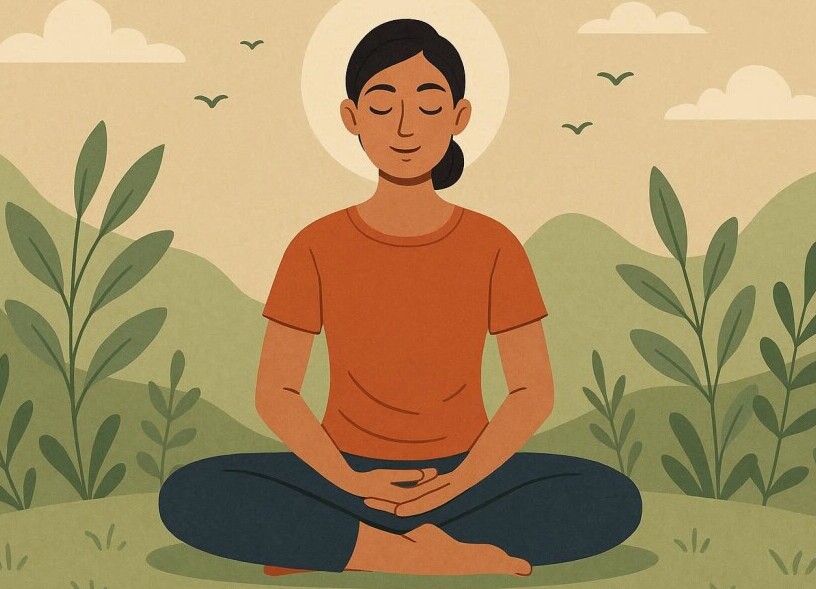
- Mindfulness and Meditation: Getting present with your thoughts can help quiet down that racing mind, and with regular practice, you might notice you react less strongly to stressful events.
- Physical Activity: Moving your body helps burn off stress hormones and boost your mood by releasing endorphins. You don’t need an intense workout—gentle stretching or a walk works too.
- Progressive Muscle Relaxation: Taking time to tense and then relax each muscle group leaves you feeling looser overall and can help with sleep and tension headaches.
- Journaling or Creative Expression: Getting your thoughts out on paper or through art can lift a weight off your mind. It lets you process emotions and sometimes spot patterns in your stressors.
How to Start: A Beginner’s Guide to Stress Relief
Jumping into stress management doesn’t need to be complicated or time-consuming. I recommend starting simple and giving yourself space to experiment a bit. Here is how I approach it:
- Pick One or Two Techniques: Try deep breathing or gentle stretching for a week and see how you feel.
- Set a Regular Time: Make it a part of your routine, like before bed or during a lunch break. Consistency is key to feeling the benefits.
- Track Your Mood: Notice if you generally feel calmer, more focused, or sleep better. Taking notes can help you spot what works best for you—maybe even combining methods over time for better results.
That steady routine, even if it is just five minutes a day, goes a long way in helping keep stress from building up. Giving yourself permission to prioritize these few minutes is one of the most effective things you can do for your mental health.
Science-Backed Methods Worth Trying
- Mindfulness Meditation: Practicing mindfulness has been shown in several studies to help reduce feelings of stress and anxiety. For example, a 2014 clinical review found mindfulness meditation programs could modestly reduce anxiety, depression, and pain. Even a few minutes each day can start to make a difference.
- Exercise: Physical activity is a true powerhouse for stress relief. Something as simple as a daily walk or a bit of yoga can boost those feel-good chemicals. Research published in The Primary Care Companion to The Journal of Clinical Psychiatry highlights how exercise can help improve anxiety and stress levels, making it an accessible and effective option for nearly everyone.
- Guided Imagery: This technique invites you to picture a peaceful scene or safe place in detail. According to a 2024 study, guided imagery helped lower stress in hospitalized patients, demonstrating its effectiveness beyond mere theory. You can use recordings or script your own mental escape.
These techniques tie back into the idea that your brain can learn to respond to stress in healthier ways, rewiring your reactions over time.
Everyday Habits for Less Stress
There are plenty of little things you can do every day to keep stress from piling up. These are the habits I find really helpful:
- Stay Connected: Chatting with friends or family can offer support and new perspectives when you’re overwhelmed. Social support has a big impact on well-being.
- Get Outside: Spending time in nature works wonders for clearing your head. Even just a quick walk in the park helps you reset. Fresh air and a change of scenery can shift your perspective fast.
- Sleep Routine: Skipping sleep makes everything feel harder. Building in wind-down rituals—like reading or soft music—helps you fall asleep and stay rested.
- Healthy Eating: Eating regular, balanced meals can smooth out your mood and energy levels, keeping those stress spikes in check.
The Mayo Clinic breaks this down in their stress relief resource, which I find super useful for extra tips and tricks that fit into a busy lifestyle.
Common Obstacles and How to Overcome Them
- Sticking With It: The hardest part is often just making stress relief a real habit. Setting reminders and making it part of your daily routine helps. Try stacking a stress-relief habit with something you already do, like after brushing your teeth.
- Feeling Self-Conscious: Sometimes meditation or breathing feels awkward at first, but it gets easier with practice. Remember, it is for your own benefit—how it looks doesn’t really matter.
- Not Enough Time: Stress relief doesn’t have to take a whole hour; even a few deep breaths or a 10-minute walk counts and can make a major difference for your well-being.
I have definitely had days where it seemed impossible to squeeze anything extra in. What helps me is remembering that a little is always better than nothing, and progress over time really adds up. Stress relief doesn’t need to be an elaborate ceremony—it just needs to happen.
Deep Breathing Techniques
Deep breathing is usually my go-to tool. Try this: breathe in for a count of four, hold for four, and breathe out for four. This is called “box breathing” and is used by athletes and even some military members to stay calm. According to the Harvard Medical School, conscious breathing helps reduce the stress response and steady your nerves.
Even just a few cycles can switch the body out of “fight or flight” mode and into a calmer, more balanced state. You can try different counts or even breathe deeply while listening to calming music for added benefit.
Progressive Muscle Relaxation
For days when tension seems to settle right in your shoulders or jaw, progressive muscle relaxation helps a lot. Tense one muscle group (like your fists) for five seconds, then let go and notice the release. Move through most parts of your body, focusing on areas that feel tight. Over time, you start to see where you hold tension and can relax on purpose. This pairs especially well with deep breathing, and you can even combine the two for quick results when you’re at your desk or before bed.
Creative Outlets
Doing something creative, like doodling, playing music, or even organizing your desk, gives your brain a break. A 2024 study found that creative pursuits improve mood and help lower stress, even for non-artists.
You don’t need to be “good”—just letting your mind drift away from worries is enough. Cooking, baking, gardening, or even coloring books can all fit the bill, so try to switch things up based on your interests.

Helpful Tools and Resources for Stress Relief
There is no shortage of apps, videos, or websites aimed at making stress management easier. Here are a few cool resources to check out:
- Calm or Headspace: These are top meditation apps that guide you through mindfulness practice and relaxation exercises. Many offer free trials or basic versions with helpful features.
- Insight Timer: Offers free meditations with different topics, including stress, sleep, and anxiety management. It’s great if you like having lots of options and new content.
- Exercise Channels: YouTube is stacked with free yoga, stretching, and quick fitness routines designed for all levels. Just 10-15 minutes can turn your day around.
Having these tools on your phone or bookmarked can make it easier to take a short mental break, especially when you need it most. When you are feeling overwhelmed, a guided session or nature video might do wonders.
Do you want some stress relievers? CLICK HERE to explore
Frequently Asked Questions About Stress Relief
Question: How long does it take for stress relief techniques to start working?
Answer: Some techniques, like deep breathing, can bring relief in minutes. Habits like meditation might take a few weeks of regular practice to really notice big changes, but most people see small improvements right away.
Question: Do I need to meditate every day for it to help?
Answer: Daily meditation helps speed up results, but even a few sessions a week often lead to calmer days and better sleep. Be patient and gentle with yourself—it is the practice that counts most, not perfection.
Question: Which technique should I start with?
Answer: Try different options and see what clicks. Deep breathing and daily walks are easy first steps that don’t take any extra equipment or experience. The goal is to pick something you will actually stick with.
Final Thoughts
Getting a handle on stress can look different for everyone. Sticking to a few practical habits and tools can really help you feel more balanced and ready for what life throws your way. With a little curiosity and regular practice, stress relief gets easier, giving you more room to feel healthy and happy.
No single technique works for everyone, but trying a few out gives you options for different moods or situations. Don’t be afraid to mix in some variety and swap things up as your needs change—you might stumble upon a new favorite practice!
What do you think about this article? Do you have any advice or suggestions? Please let us know your thoughts and write in the comment section below.
Do you want to try meditation? CLICK HERE to learn more.
Please leave me a comment below, and please subscribe
If you think this article is useful, please share it.
Thank you! Have a nice day! Until later
Linda Mo
Founder and owner of How To Reduce Stress Naturally
Beautiful work, Linda. You made something that usually feels heavy sound simple and human. I’ve tried most of these techniques myself, though I learned them the hard way. Years ago, when I lived in a refugee camp, I didn’t know what “stress relief” even meant. My only escape was writing my thoughts on old notebooks. Funny thing is, that habit became my lifelong therapy. Writing still keeps my mind from breaking under pressure.
I liked that you said stress relief doesn’t have to be a whole-hour thing. That’s real. Some days, I just step outside and breathe in the open air for five minutes. It doesn’t fix life, but it helps me stay human. Deep breathing and journaling really do something to the soul when nothing else works.
You reminded me to get back to mindfulness again. Sometimes I forget. You mentioned creative outlets — which one works best for you when life gets messy? I’m always curious how people find peace in their chaos.
John
Hey, John! Thanks for your nice comment! Oh, living in a refugee camp must be so difficult, but it’s really great to hear you found your way to cope with that situation and stress and started journaling. That is really amazing. It shows sometimes people don’t even need to know how to cope with their thoughts or what stress relief is, intuitions lead them, and it led you to find your way to journaling. Great to hear you kept using journaling in your life.
Yeah, stress relief methods don’t need to take a long time. When I was in one training ages ago, it was pretty intense. I just needed to have these 5 minutes to be alone and breathe. For me, too many people and everything are exhausting. Deep breathing is an amazing tool for stress relief.
If we talk about creative outlets, I used to like drawing, and when I checked my school notes later, it was small flowers and things drawn on the pages. Later, I discovered that painting is amazing, and stress and other worries just fall away when I paint.
Best regards
Linda Mo