Today we are going to talk about natural ways to handle stress. What is the role of vitamin supplements? To be less stressed and more efficient to deal with it is to be healthy. How can vitamins help you in that regard? Let’s explore more!

Different Types of Stress
Stress, a common guest in everybody’s life, shows up in different forms. Acute stress is like that unexpected guest who drops by without notice—short and intense. Episodic stress is the friend that comes around a bit too often, usually because of a hectic schedule or multiple minor crises.
Then there is chronic stress, the unwelcome roommate that just won’t leave, sticking around for longer periods and potentially causing harm to your health.
How Stress Impacts
Being under stress is like holding an umbrella during a storm. It can wear you down both physically and mentally if you don’t manage it. Physically, stress messes with your nervous system, spiking your heart rate and sending your blood pressure sky-high. Over time, this can lead to issues like heart disease or worsen existing conditions. And let’s not forget the mental battle—stress can cloud your thoughts, making you irritable, anxious, or downright exhausted.
In today’s go-go-go world, stress hits us from every angle. Work deadlines, family responsibilities, financial pressures, and even social media can all pile up like laundry, making it tough to keep everything in check. Staying on top of it all can sometimes feel like an impossible juggling act.
Managing stress effectively is more than just a wellness buzzword. It’s about maintaining an all-around healthier life. Stress isn’t something you simply zap away but learning how to keep it in check can save you from a heap of trouble down the line. Proper stress management means better sleep, a stronger immune system, and an overall happier you.
Exploring Natural Stress-Relief Methods: A Holistic Approach
Living smack in the middle of life’s chaos can make stress feel like an inescapable tangled web. But there are ways to cut through that knot naturally. Lifestyle changes aren’t just trendy—they hold real power when it comes to reducing stress. It is all about tweaking daily habits to build resilience.
1. Regular physical activity is your best friend when it comes to fighting stress. Engaging in activities like yoga and meditation isn’t just about flexing those muscles or finding your inner peace.
These practices promote deep breathing and relaxation, which help bring your nervous system back to baseline. Exercise releases endorphins, your body’s happy hormones, instantly lifting your mood like nature’s very own smiley sticker.
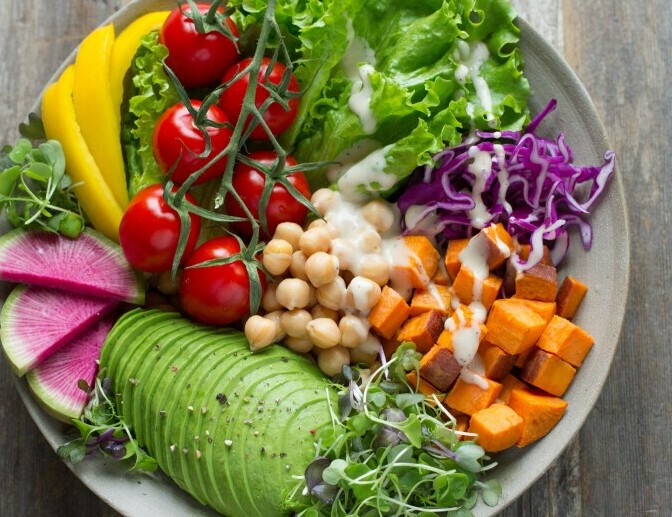
2. Food goes beyond fueling our bodies; it shapes how we feel. A diet jam-packed with whole foods, rich in omega-3s, antioxidants, and healthy fats, can act as a buffer against stress.
Think leafy greens, berries, and nuts—these little powerhouses can ease the strain. Reducing sugar and excessive caffeine can also prevent those energy crashes that make stress feel even more overwhelming.
3. Sleep is the body’s natural reset button. Quality shut-eye restores your mind and body, equipping you to handle stress with more clarity and less grumpiness. Keeping a consistent sleep schedule and winding down before bed are smart moves toward reclaiming your sleep sanctuary.
These natural methods are like tools in your stress-management toolbox. They might not all work overnight, and everyone is different, but over time, they can make a meaningful difference to your overall well-being.
The Science Behind Vitamins and Stress Reduction
Vitamins can be like secret agents working undercover to keep stress at bay. Which ones do you need the most?
1. Among these, B-complex vitamins are like your body’s energy drink, essential in boosting mood and brain function. B vitamins play a key role in creating neurotransmitters that help you keep calm and carry on.
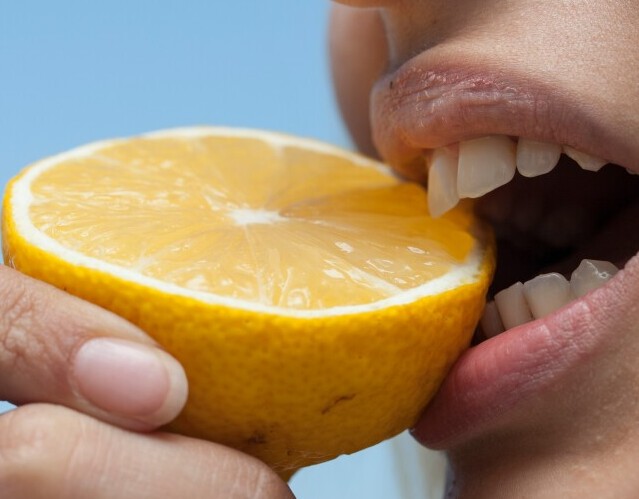
2. Vitamin C isn’t just for fighting off the sniffles. It is an antioxidant powerhouse that helps to lower cortisol levels, the stress hormone that can throw your system into overdrive. A regular dose of Vitamin C can help your body cope with stress more effectively.
3. Vitamin D, often called the sunshine vitamin, isn’t just for bone health. It is crucial for a happy, stable mood. Low levels of Vitamin D can sometimes be linked to mood disorders, making it an important factor in maintaining mental well-being when stress lingers like a shadow.
4. Magnesium works wonders on tension and anxiety. It is involved in hundreds of chemical reactions in your body, many of which help regulate the nervous system and relax muscles. A magnesium-rich diet can be a great ally in the fight against stress.
There is solid science backing up what these vitamins can do. For instance, studies have shown that taking Vitamin C regularly can lower cortisol levels significantly, while magnesium has been tied to improvements in anxiety and depression. It is fascinating to see how these simple nutrients can arm you against stress’s sneaky attacks.
Incorporating Vitamin Supplements into Your Stress-Management Routine
Adding vitamin supplements to your life could be just the support you need for stress relief. Picking the right supplements involves a bit of homework. It is crucial to choose high-quality products from reliable brands; this ensures you are getting the purest forms of nutrients without unnecessary additives.
Make sure it is good for you and only then implement
Before jumping into a new supplement regimen, it is wise to chat with your doctor. They can guide you on proper dosages and potential interactions, especially if you are on medications that might mix poorly with certain vitamins.
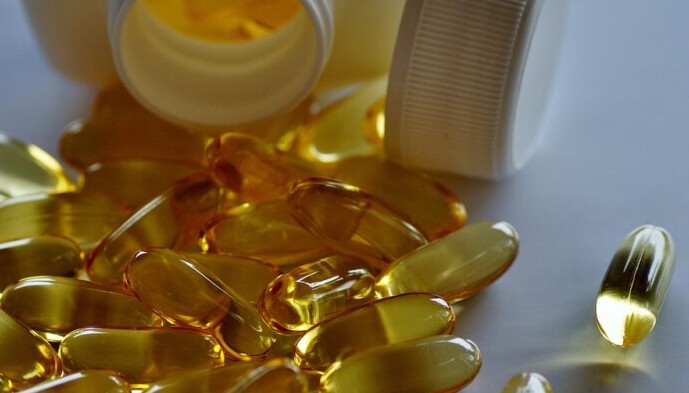
Introducing supplements gradually into your routine is the way to go. Start by focusing on deficiencies and specific needs identified during your consultation with a healthcare professional. Keep it simple by creating a daily habit, like pairing your supplements with a meal to help with absorption.
Keep Track
Monitoring how these supplements affect your stress levels is key. Some people notice changes quickly, while for others, it takes time. Keep track of any improvements in your mood or energy levels, and adjust as needed with your healthcare advisor. This feedback loop helps ensure that your approach to managing stress remains effective and feel-good.
Remember, while vitamin supplements can be a handy part of battling stress, they are best used alongside other lifestyle changes. Combining them with healthy habits amplifies the benefits and keeps you on track to a more balanced life.
Conclusion
Natural ways to handle stress always seem the best but there comes the need for vitamin supplements. Diet and vitamins are important for your health and well-being. Remember, if you are healthy, it is easier to deal with stress.
What is the role of vitamin supplements for you? What do you think about this article? Do you have any advice or suggestions? Please let us know your thoughts and write in the comment section below.
Do you want to try meditation for stress relief? CLICK HERE to find out more.
I would like to hear from you, so please leave me a comment below to let me know if this article helped you.
If you want to know more about ways how you can manage stress, please subscribe to this blog, and you will receive a notification, when a new post is published.
If you think this article is useful, please share it.
Thank you! Have a nice day! Until later
Linda Mo
Founder and owner of How To Reduce Stress Naturally