I know we talked a lot about ways to reduce stress in our lives. This time, we are going to look at recommended stress relief techniques. We all deal with stress more than we want to admit, and sometimes we don’t even recognize stress-caused issues or that stress is a bit too much. It is easy to go through motions and not pay attention. This is why we can check again today what the recommended stress relief techniques are.
Stress seems to pop up everywhere in daily life, from busy workdays to juggling home responsibilities. I’ve found over the years that building a toolkit of stress relief techniques can make a real difference in how I feel day to day. If you’re just getting started with stress management, there are plenty of practical and easy ways to start loosening that tension; no expensive gadgets or advanced skills needed.
Why Stress Relief Matters in Daily Life
Stress is a normal part of life, but letting it build up without healthy ways to cope isn’t great for overall well-being. Chronic stress can mess with sleep, mood, energy, and even your immune system. When stress sticks around, it can feel overwhelming. Bringing it down to a manageable level helps keep life in balance and makes tackling challenges a bit easier.
Knowing how to relax isn’t just about handling the big stuff; it helps with small, everyday annoyances too. Work, family, health worries, and social situations can add up. Having stress relief tricks up your sleeve means you don’t have to wait for a vacation to catch your breath. Keeping stress in check also helps you stay on top of your to-do lists and keeps frustration from spilling over into your interactions with others.
Getting Started: Simple Techniques for Stress Relief
I always suggest starting with the basics when building any new habit. There are plenty of stress relief techniques you can try right away, and you don’t need anything fancy to get going.
- Breathing Exercises: Easy to learn and totally portable, controlled breathing really helps signal your body to relax. Try inhaling slowly through your nose for 4 seconds, holding it for 4 seconds, and exhaling for 4 seconds. Doing this for a minute or two calms nerves almost instantly.
- Progressive Muscle Relaxation: Tense one muscle group at a time for a few seconds, then release and notice the difference. I like to start at my toes and work my way up, making it super easy to relax before bed or during a stressful day. Maybe you need to have a guide to this relaxation technique.
- Guided Visualization: Imagine a peaceful scene, like a quiet forest or sandy beach. There are plenty of free videos or audio guides online to walk you through a relaxing “mini-vacation.”
Alongside these core techniques, drinking a glass of water or simply stepping away from your workspace briefly can help reset your mindset. Even small breaks can have a big impact when practiced regularly.
Quick Guide to Using Stress Relief Techniques Every Day
Stress relief gets a lot easier when you mix it into your regular routine. Here is how I usually go about it:
- Pick One Technique to Start: Doing everything at once gets overwhelming. Choose just one trick that feels doable, like the breathing exercise.
- Set Reminders: I set a daily reminder on my phone to take a few mindful breaths or stretch for two minutes. Consistency is key.
- Track What Works for You: Everyone’s different. I like to make a quick note when something helps me relax, so I know what to reach for next time stress creeps in.
- Combine with Other Habits: Pairing stress relief with something else you already do, like unwinding after work or before bed, helps build it into your day.
- Adjust if Needed: Some days a quick walk works better than deep breathing, so I keep my options open.
Sticking with these habits, even for a couple of minutes a day, can make a noticeable difference in mood and stress levels.
Things to Consider Before Trying New Stress Relief Methods
Just like any wellness routine, figuring out what works for you can take a little trial and error. Here are a few things I always think about before jumping into something new:
- Your Schedule: If your days are packed, look for techniques you can do in short bursts, like a two-minute breathing break or a quick walk.
- Physical Health: Certain activities, such as yoga or running, require a specific level of mobility or fitness. Always check with a doctor if you are unsure about trying something new.
- Personal Preferences: If you find one technique isn’t your vibe (like meditation or journaling), don’t force it. There are plenty more to try.
- Environment: Some techniques work better if you have privacy, while others (like listening to music or stretching) are easy to do almost anywhere.
Breathing Techniques
Learning simple breathing tricks is pretty handy for calming your mind and body. I use the 4-7-8 breathing method when I am feeling wired or jittery. Inhale for a count of 4, hold for 7, and then exhale slowly for 8. This technique helps slow the heart rate and relax tense muscles. If you are looking for a subtle way to calm your body at work or in public, gentle breathing is discreet and effective.
Mindfulness and Meditation
Mindfulness is about being present in the moment without judgment. Meditation builds on this idea. Even just 5 minutes focusing on your breath or noticing how your body feels can help slow racing thoughts. There are lots of free apps and videos to guide you through meditation, many of which are designed for beginners. Start small, even just noticing sounds around you or tuning into physical sensations, and gradually increase your time as you feel comfortable.
Physical Activity
Exercise doesn’t have to mean running a marathon. Taking a brisk walk, stretching, or doing yoga are all good for blowing off steam. I always notice a boost in my mood after moving my body, even if it is just a quick stroll around the block. Dancing to your favorite song or doing a short workout video keeps things light and fun, and helps shake off tension built up during the day.
Creative Outlets
Trying something creative, like drawing, gardening, or playing music, helps switch up your focus away from worries. These hobbies are great for both relaxing and having a bit of fun at the same time. I like to keep some coloring supplies or a small notebook nearby for doodling when I am feeling stressed. It could be painting, cooking a new recipe, or even solving puzzles, creativity adds color to your routine and provides a healthy outlet for emotions.
Nature Breaks
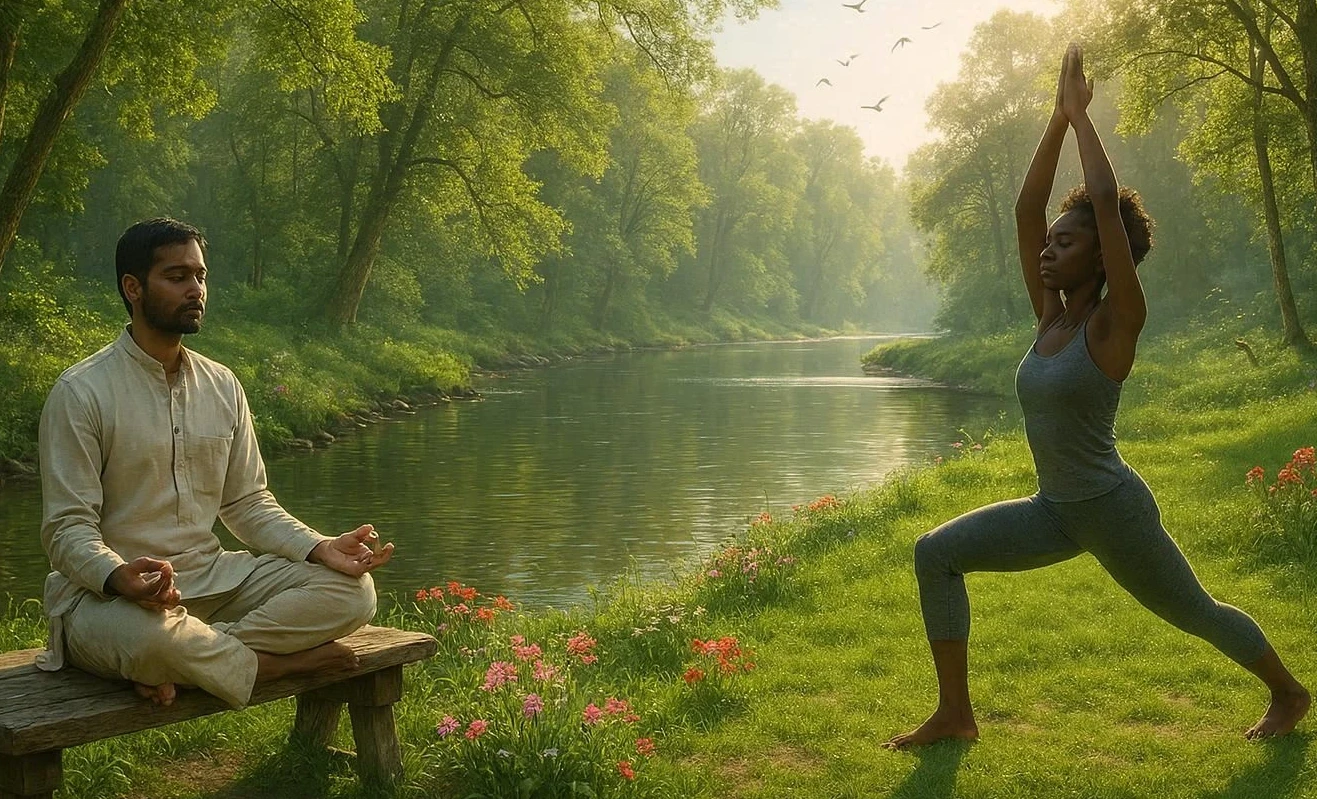
Spending time outdoors brings a sense of calm that’s tough to beat. If you can, sit in a park, take a stroll among trees, or just look out the window at some plants. Studies have shown that even short nature breaks can help lower stress. Try combining nature time with physical activity, like a walk in the park, to double down on the benefits. The fresh air and change of scenery can do wonders for clearing your head.
Trying out different ideas, one at a time, is really helpful for figuring out what blends in with your lifestyle best. If a new method feels awkward at first, stick with it for a few days to see if it grows on you. Sometimes your mind and body need time to adapt before the effects show up.
Advanced or Lesser-Known Techniques Worth Checking Out
After trying out the basics, there are some other cool approaches you can add in for an extra stress-busting boost:
Aromatherapy: Scents like lavender or eucalyptus can help calm the mind. I use a diffuser or a scented candle to set a chill mood in my space. Spritzing a pillow with calming essential oils or adding a few drops to a bath is also soothing.
Journaling: Writing down what is on your mind is super useful for getting perspective and clearing out mental clutter. I keep a notebook handy for writing down thoughts that are bugging me or quick lists of things I am grateful for. This habit can help track progress and spot stress patterns you might otherwise miss.
Digital Detox: Taking a break from screens, especially social media and emails, can help recharge your focus. I try unplugging for a couple of hours every weekend just to give my brain a bit of space. Even just silencing notifications for short periods during work helps reduce overwhelm.
Laughter Breaks: Watching a funny video or sharing a silly story with a friend shakes off stress fast. Humour might not solve problems, but it definitely helps me bounce back when I am feeling heavy. If you can, try seeking out comedy clips or recalling a funny memory to boost your mood in stressful moments.
These options can mix things up and keep your stress relief habits feeling fresh instead of like another chore. Don’t hesitate to invent your own unique rituals, combining several approaches for more effective results. The more varied your toolkit, the better equipped you will be to handle whatever life tosses your way.
Real-World Benefits: How Stress Relief Shows Up in Life
Working stress relief practices into daily life isn’t about making all stress disappear, but about managing it so it doesn’t take over. I have noticed I sleep better and have a bit more patience after a tough day when I remember to use my relaxation tricks. Small things, like going for a walk or focusing on my breath, help reset my mood and keep worries from piling up.
- Better Focus: Staying calm in stressful situations means I make clearer decisions and keep a level head, even when things get hectic. This clarity helps boost productivity and steadies nerves in tough conversations.
- Improved Relationships: When I am less stressed, I am more patient and open, which helps with communicating and getting along with others. Stress relief gives me more bandwidth for listening and connecting.
- Boosted Energy: A calm mind uses less energy on worry, so I have a bit more left over for the stuff I actually want to do. I can tackle daily projects with less mental fatigue, making the day feel more manageable.
Making stress relief part of your routine can also help your physical health by improving sleep habits, supporting heart health, and strengthening your immune system over time. These benefits aren’t always obvious right away, but they build up as these habits become second nature. Even just knowing you have reliable tools in your back pocket can be reassuring on difficult days.
Frequently Asked Questions
Question: How often should I practice stress relief techniques?
Answer: Even a few minutes once or twice a day can help. Start small and work it into your schedule wherever it fits best. Over time, you may find you want to do more as the benefits add up.
Question: What if a certain technique doesn’t help?
Answer: Everybody responds differently, so if one trick doesn’t do much for you, just try a different one. There are lots of options to pick from, and some days you might prefer one approach over another.
Question: Are any of these techniques safe for kids or older adults?
Answer: Most gentle techniques like deep breathing, visualization, and light physical activity are safe for most ages. Always check with a doctor for specific health concerns or if trying something especially new.
Giving Stress Relief a Try
Finding stress relief options that actually fit into daily life can make it easier to handle tough moments. The real trick is being open to experimentation, starting simple, and giving yourself some room to learn what works best for you.
These habits can stick with you and support a calmer, more balanced approach to everyday challenges. If you keep exploring what works best, you will soon have a custom set of tools ready for whenever stress tries to sneak in.
Conclusion
These recommended stress relief techniques could be something you need to fight stress and help with making your daily life less stressful. We all have our own favorite stress relief methods, but sometimes it is great to try something new for stress relief.
What do you think about this article? Do you have any advice or suggestions? Please let us know your thoughts and write in the comment section below.
Meditation is one of the best stress relief methods. CLICK HERE to learn more about it
I would like to hear from you, so please leave me a comment below to let me know if this article helped you.
If you want to know more about ways you can manage stress, please subscribe to this blog.
If you think this article is helpful, please share it.
Thank you! Have a nice day! Until later
Linda Mo
Founder and owner of How To Reduce Stress Naturally