Today, we are going to talk about seasonal stressors and meditation. It is important to find balance in this holiday season. Holidays are coming, and for many of us, holiday stress comes, and we need to find a way to deal with that and enjoy the holidays in the process. Let’s see!
The holiday season often brings moments of cheer, family gatherings, and bright decorations around every corner, but it can also sneak in a surprising amount of stress. Extra social events, financial pressures, travel planning, and mixing up routines can throw even a pretty calm person off balance. Meditation is a super useful tool that helps people reset when the stress ramps up, not just during the holidays, but all year round. I want to share hands-on ways to keep stress in check using meditation and some practical advice for making the most of these practices.
Understanding Holiday Stress and Why It Is So Common
Seasonal stressors pop up for plenty of reasons. For some, the holidays stir up memories or emotions tied to family, loss, or change. For others, the packed calendars and endless to-do lists are enough to make anyone want to crawl under a blanket. Cold weather, shorter days, and social expectations can mix together to create a sense of being overwhelmed.
According to a survey by the American Psychological Association, around 40% of people report feeling more stressed during the holidays. Stress is more than just a feeling: it can mess with your sleep, lower your patience, and even wear down your immune system if it sticks around for too long. That is why finding ways to keep stress down, like meditation, is really important.
When I feel pressure creeping in, I notice it as tension in my shoulders or a racing mind at bedtime. These cues are my signal to slow down and focus on strategies to reset.
If you are interested in how meditation can actually help you with stress during holidays, CLICK HERE to find out more.
What Is Meditation? A Quick Look at the Basics
Meditation is a practice where you focus your attention and clear out the jumble of thoughts crowding your mind. It is much more straightforward than many people expect; you don’t need to wear special clothes, sit in some fancy pose, or turn your room into a spa. All you need is a few quiet minutes and a willingness to tune in.
There are lots of styles of meditation, but here are some you will probably come across the most:
- Mindfulness Meditation: It means paying close attention to your breath, thoughts, and feelings without judgment.
- Guided Meditation: Listening to a recorded or live instructor who walks you through a mental adventure.
- Body Scan Meditation: Focusing on each area of your body in turn, noticing tension and letting it go.
- Mantra Meditation: Repeating a calming word or phrase to yourself with each breath.
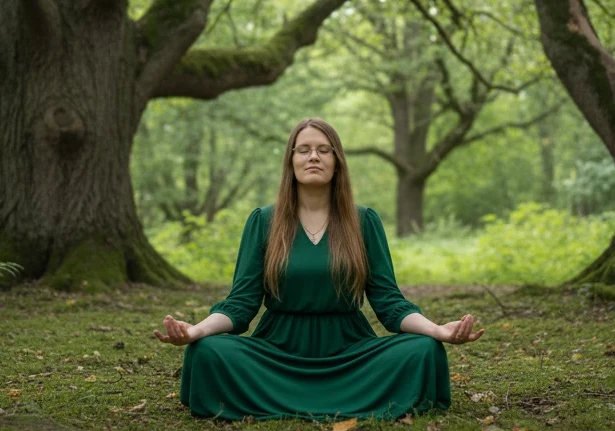
For me, mindfulness meditation has worked best. Just sitting quietly and noticing my breath and thoughts for a few minutes often clears my head and resets my mood.
If you are interested in the roots of meditation, you might appreciate knowing that it is a practice found in many cultures and traditions around the world. Some people meditate to connect spiritually, while others simply want a tool that helps with daily stress and self-awareness. Modern science now backs up these ancient methods, showing that meditation can bring noticeable changes to the brain’s structure and chemistry, especially in regions that handle emotion and focus.
Easy Steps to Start Meditating for Holiday Stress Relief
If you are feeling overwhelmed or not sure where to start, it is helpful to keep things simple. Making meditation a habit, especially when seasonal stressors are everywhere, is all about finding what fits into your life and giving yourself permission to just try.
- Pick a Time and Place: Choose a comfortable spot with as few distractions as possible. This could be a cozy corner of your living room, your parked car before heading to an event, or even your bathroom if that is your only private space!
- Set a Timer: Start with just three to five minutes. Short daily sessions are a lot more doable and sustainable than long ones you dread.
- Focus on Your Breath: Close your eyes and breathe naturally. Notice how the air feels as you inhale and exhale. When your mind wanders, gently bring your focus back to your breath.
- Try a Guided App: There are plenty of free and paid meditation apps like Insight Timer, Calm, and Headspace. I found that listening to a meditation before bed helped calm my mind and improve my sleep.
- Don’t Stress About “Doing It Right”: There is no need to be perfect. If your thoughts drift or you get fidgety, that is totally normal. Each time you notice and restart, you are practicing!
By fitting short meditations into my mornings, even before the coffee brews, I build in a buffer that keeps stress from snowballing during busy seasons. The key here is making your meditation routine your own—no two people are exactly alike, and nobody needs to mimic someone else’s process.
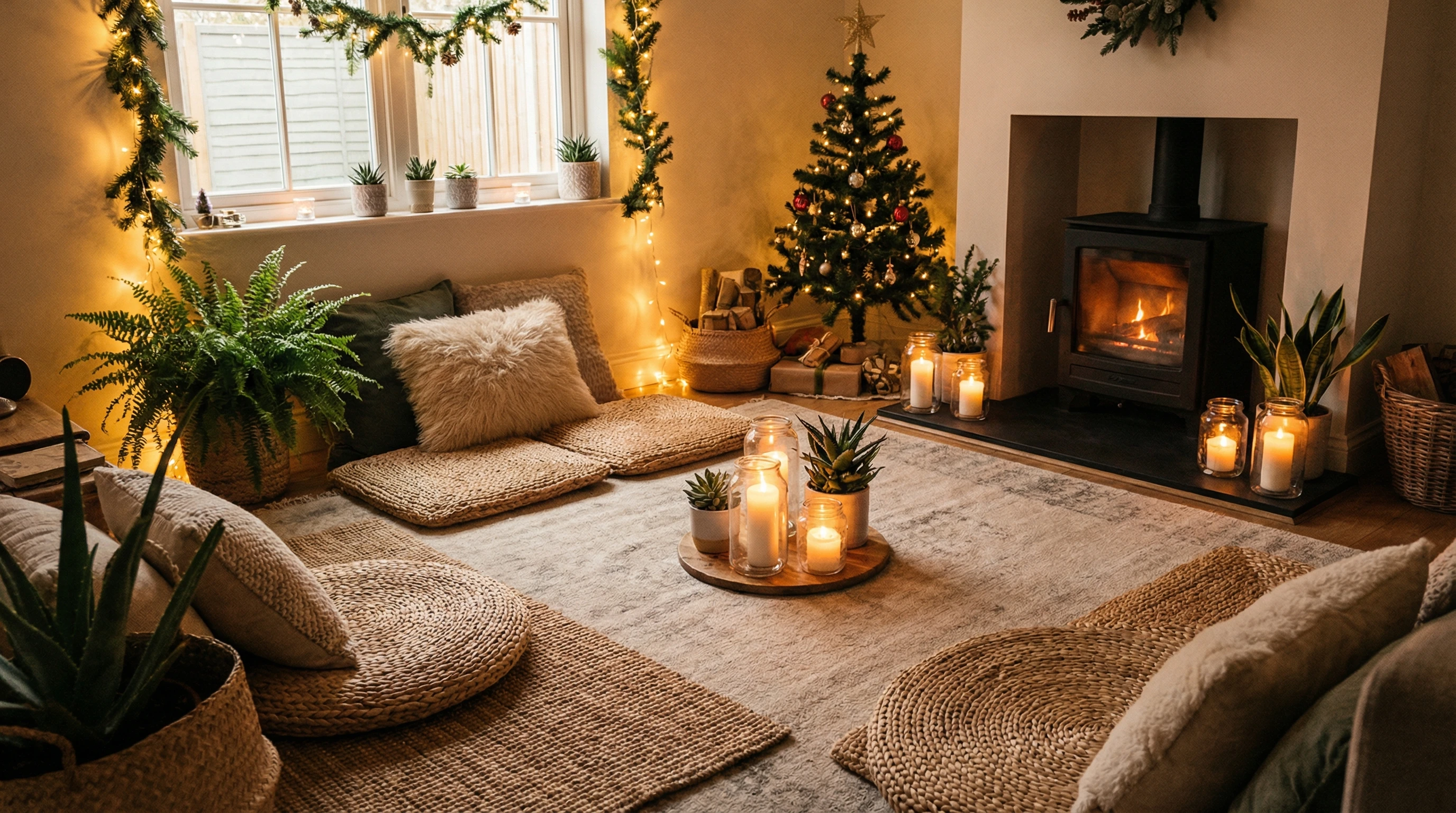
You might want to experiment with background music or guided sessions to see what helps you get in the zone. Some find lighting a candle or holding a comforting object helps create a sense of ritual that signals it’s “pause time.”
Practical Tips for Staying Balanced During Holiday Hecticness
Even with meditation, it helps to pair mental reset strategies with some practical, real-world adjustments. Here are a few tweaks that make a major difference:
- Set Boundaries: Learn to say no without feeling guilty. Taking on less frees up time for rest and the activities that bring you joy.
- Schedule Downtime: Block out time on your calendar that is just for you, your hobbies, or your simple pleasures, like reading, napping, or going for a walk.
- Focus on Basics: Stick to regular meals, hydration, and sleep schedules whenever possible. Being well-rested and well-fed helps keep stress manageable.
- Practice Gratitude: Writing down three things I am thankful for each evening helps me switch focus away from holiday pressure toward what really matters.
Simple acts, like lighting a candle, listening to calming music, or taking a slow stroll around the neighborhood, can also work wonders for your state of mind.
Remember, it is perfectly normal for routines to fall off track a bit during busy times, so cut yourself some slack and just do what you can. Also, reaching out to a friend for a chat, or even helping someone else, can sometimes give your mood a quick lift when you need it most.
Common Roadblocks: Why Keeping Up Meditation Can Be Tricky
Making meditation work during the holidays isn’t always smooth. Here are some reasons people get stuck, and some ways I have learned to get around them:
- “I Don’t Have Time.” Sneak in a two-minute breathing check-in while waiting in the car or showering. Little moments add up when stacked throughout the day.
- “I Can’t Quiet My Mind.” A busy brain is normal, especially during stressful seasons. Each time your thoughts wander, gently notice it and go back to your breath. That is the actual core of mindfulness: returning, not staying perfectly focused.
- “I Keep Forgetting.” Pair meditation with another daily activity, like brushing teeth or making coffee, so it becomes part of your routine.
Building small habits works better than trying to overhaul your whole routine at once. When I miss a day, I try not to get frustrated; I just jump in again the next chance I get. If you find yourself skipping several days, think about what blocked you and change your approach—maybe you need a reminder or a different time of day to practice, or you might benefit from joining a short online class for a boost of motivation.
How Meditation Supports Long-Term Resilience (Not Just During Holidays)
While meditation is really helpful for surviving holiday stress, it also builds long-term skills that stick with you throughout the year. People who meditate regularly often see benefits like:
- Improved sleep quality and easier bedtime routines
- Greater emotional stability and patience
- Better focus and problem-solving abilities
- More effective coping with unexpected challenges
Research from Harvard Medical School shows that regular meditation can reduce levels of the stress hormone cortisol. Over time, this helps people respond calmly instead of reacting hastily during busy stretches. Even a couple of minutes each day can add up, creating mental space that makes handling stress much easier.
I find that when I keep up my practice, even in short bursts, I am better equipped to bounce back when life throws a curveball, whether that is a work deadline or a family emergency. Meditation helps you stay steady during good times, too, not only when things get hectic. In fact, some people stumble upon deeper insights about themselves and make lasting changes in their outlook thanks to regular meditation practice.
Frequently Asked Questions About Meditation and Holiday Stress
Here are some popular questions I hear from people who want to try meditation to manage holiday or seasonal stress:
Can meditation help with anxiety about seeing family during the holidays?
Absolutely! Meditation helps you walk into tricky situations feeling grounded and less reactive. Even five minutes before a gathering can make interactions go a lot smoother.
What if I have no quiet space to meditate?
You can meditate in parked cars, a locked bathroom, and even outside on a chilly porch. Put on some headphones and play soft background noise if your living space gets noisy.
How quickly will I notice results?
The first session might feel a bit awkward, but many people (including me) notice stress relief after just a handful of tries. The more you practice, the more natural it becomes, and the longer the effects tend to last.
Are there any meditation resources for beginners?
Plenty! Insight Timer, Headspace, and Calm are apps to check out. Free guided sessions are also available on YouTube, and many podcasts focus on short meditations for real-life situations.
Finding Your Balance During Holidays and Beyond
Holiday stress doesn’t have to take over. Meditation is a practical, portable tool for finding balance, and it is flexible enough to fit into real-world routines. Short daily practices create a calm center that helps make even the busiest seasons feel a lot more manageable. Start with just a few minutes, trust the process, and let each breath pull you back to the present; not just during the holidays, but whenever life gets hectic throughout the year. If you stick with it, you might just notice the holidays turn from a source of stress to a time for reflection, gratitude, and care for yourself and those around you.
Conclusion
Holidays can be a great time for us our loved ones if we can effectively deal with stress during holidays. Meditation and deep breathing are something that can help us in this regard.
What do you think about this article? Do you have any advice or suggestions? Please let us know your thoughts and write in the comment section below.
Meditation is great when you are dealing with holiday stress. CLICK HERE to learn more about it
I would like to hear from you, so please leave me a comment below to let me know if this article helped you.
If you want to know more about ways you can manage stress, please subscribe to this blog.
If you think this article is helpful, please share it.
Thank you! Have a nice day! Until later
Linda Mo
Founder and owner of How To Reduce Stress Naturally
“Here’s a little transparency: Our website contains affiliate links. This means if you click and make a purchase, we may receive a small commission. Don’t worry, there’s no extra cost to you. It’s a simple way you can support our mission to bring you quality content.”