Today, we are going to talk about how to design a meditation garden for relaxation and stress relief. There are a few things to consider for creating this kind of calming place for relaxation.
Welcome to Your Meditation Garden Guide!
Got questions about designing a meditation garden for stress relief and relaxation? You will find answers right here. I will share reliable advice, explain the basics, and help you create a space that actually works for calming your mind. If something is missing, always happy to chat more or point you to other helpful resources.
Getting Started: What Is A Meditation Garden?
What makes a meditation garden special?
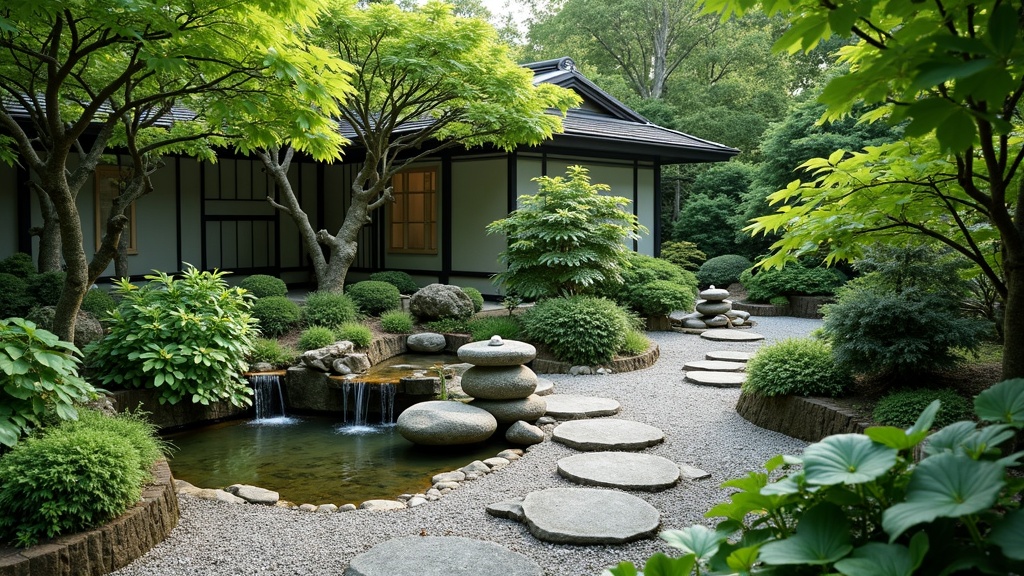
A meditation garden is just what it sounds like. It is a small outdoor (or indoor) space set up to help you relax, focus, and clear your mind. Unlike a regular backyard or flower bed, every detail in a meditation garden is picked to promote calmness. Think soothing plants, soft sounds, comfy places to sit, and simple features like stones or small water fountains.
Who should consider a meditation garden?
If you are looking to handle stress better or just want a quiet break in your day, a meditation garden can be pretty handy. People with all space types—big yards, balconies, or even window ledges—can make a version that fits. These gardens aren’t just for the green-thumbed. Anyone wanting a peaceful space, and it doesn’t matter if you meditate regularly or just want a tranquil nook for reading or reflecting, will appreciate the benefits.
Planning Your Meditation Garden
How do I pick the right spot?
Start by finding a location that feels private and gets the sunlight you prefer. Some folks like morning sun for gentle warmth, while others want a shady retreat. Try to pick a spot away from noisy roads or busy areas; peace and quiet matter a lot. Even small city spaces can work if you create privacy with potted plants or garden screens.
What if I have a small space?
You don’t need a huge backyard. Plenty of people use corners of patios, balconies, or even indoor sections by large windows. Raised planters, vertical gardens, and small benches fit almost anywhere. It is less about size and more about how the space makes you feel. Even a couple of pots with soothing plants on a windowsill can help produce that peaceful atmosphere you want.
Elements To Include For Relaxation
What plants are calming and easy to care for?
Pick plants that appeal to your senses. Lavender and mint are both soothing and have relaxing scents. Grasses that gently sway in the wind or moss for a soft touchable ground cover bring a peaceful vibe. Japanese maples, bamboo, and ferns also work well and don’t need a ton of care. Choosing plants that stay green year-round or flower at different times gives your garden interest throughout the seasons.
Should I add water features?
Simple water elements, like a bubbling fountain or a small pond, can add gentle background noise that helps quiet your mind. Research even backs this up; a study published in the journal Urban Forestry & Urban Greening showed that flowing water and green spaces together have a positive effect on stress reduction and mood improvement. Even a small tabletop water feature on a balcony or indoors can do the trick.
Is it a good idea to use rocks or stones?
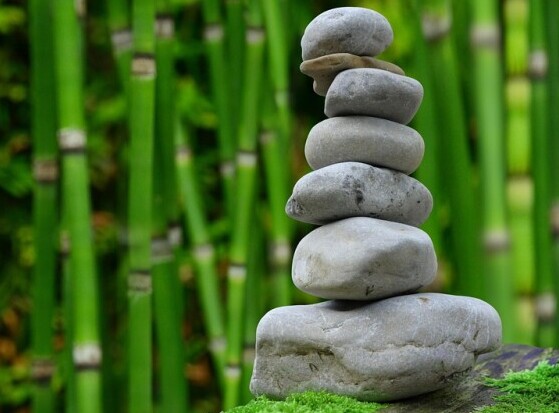
Absolutely. Rocks, stone pathways, or small Zen sand gardens offer grounding textures and add structure. They are also easy to maintain. You can design patterns in a sand area or arrange stepping stones for mindfulness as you walk. Some people use stones with words like “peace” or “breathe” as reminders to center themselves.
What about seating?
Choose seating that feels welcoming and makes it easy to relax. Benches, low stools, or even a comfy mat work nicely. Face your seat toward a plant, fountain, or feature you find relaxing so your eye naturally rests there. Try different spots throughout the year so you can enjoy the sun or shade as you like. Some people even add a hammock or outdoor floor cushion for extra comfort.
Design Tips & Common Questions
How do I keep it low maintenance?
Stick with native plants that match your climate. They will need less water and care. Use mulch or gravel to cut down on weeds. Automatic drip irrigation can be helpful if you want to make upkeep even easier. Grouping plants with similar watering needs together helps too. Don’t forget that a minimalist approach can keep things easy; you don’t need dozens of plant varieties to achieve calmness.
Are there colors that help with meditation?
Soft greens and natural tones (like earthy browns and grays) usually work best. Blues and purples add a calming touch so you might mix in flowering plants or decorative pots in those shades. Avoid too many bright or clashing colors, since they can sometimes make it harder to relax. Try to use colors that you personally like, since what feels peaceful to you may differ from someone else.
How important is fragrance?
Smell plays a bigger role in mood than most people realize. Adding scented plants like jasmine, rosemary, or honeysuckle can help cue your brain to unwind. Some studies, like those highlighted in the journal Evidence-Based Complementary and Alternative Medicine, suggest certain plant scents can reduce anxiety and general stress levels. Fresh, earthy smells, even simple wet stones after rainfall, can deepen the feeling of calm.
How Meditation Gardens Help With Wellbeing
Is there science behind using gardens for relaxation?
Definitely. Various studies, including one from the International Journal of Environmental Research and Public Health, have linked spending time in green, natural spaces with reduced stress, lower blood pressure, and better mental health. Meditation gardens combine the benefits of mindful meditation and nature exposure in one spot, which can help the body and mind relax more effectively. Even if you’re new to meditation, just being in a green space for a few minutes can help slow your thoughts and quiet worries.
How do I use my meditation garden for stress relief?
Try setting aside just 10-20 minutes a day to sit quietly, breathe deeply, and focus on the sights and sounds around you. Walking barefoot, doing some simple stretches, or reading a calming book in your garden can boost the relaxing effects even more. Make it a routine, especially during stressful weeks, to give your mind a reliable break. Even quick breaks outside can re-center you before a busy day or after work.
Ready To Create Your Sanctuary?
Building a meditation garden doesn’t have to be pricey or complicated. Even a few peaceful plants and a cozy spot to sit can start shifting your mood. Pick features that speak to you, and make little changes as you go. It is really about making a spot where you feel comfortable, supported, and less stressed.
If you want more all-in-one ideas or help with plant choices, check out resources from trusted gardening sites or your local garden center for inspiration. Over time, your meditation garden can become a favorite retreat—somewhere to recharge and find a bit of peace, even on the busiest day.
Conclusion
It is nice to design a meditation garden for relaxation and stress relief. That can become your safe space from the stress and tension you feel in your daily life.
What do you think about this article? Do you have any advice or suggestions? Please let us know your thoughts and write in the comment section below.
Meditation, as always, can help you calm your mind and help you relax. CLICK HERE to learn more.
Please leave me a comment below, and please subscribe
If you think this article is useful, please share it.
Thank you! Have a nice day! Until later
Linda Mo
Founder and owner of How To Reduce Stress Naturally
“I love how you broke this down into simple steps—especially the reminder that even a windowsill with a few calming plants can count as a meditation garden. I’ve been feeling stressed working from home, and this gave me the push to set up a small corner with lavender and a tabletop fountain. It’s amazing how just a few minutes in that space makes me feel more centered. Thanks for the inspiration!”
Hey, Jannette! Thanks for your comment!
Even working from home, you need a corner for relaxation with some plants, candles, or a small fountain as you said. In my opinion, when working from home, it can be harder to relax and let go of work stuff. Need a special place designed for relaxation.