Exercises are great for our health and well-being, and can also help with stress relief. So today we are going to talk a bit about stress-relieving exercises that you can do at home. No need to go to the gym to do them. That seems amazing, I think. Let’s see!
As an Amazon Associate, I earn from qualifying purchases
Welcome to Your Guide for Stress-Relieving Exercises at Home
Feeling overwhelmed or tense? Home is actually a pretty great place to shake off stress and boost your mood. I have put together answers to the common questions about easy stress-busting exercises you can do anywhere at home, no gym needed. If you are searching for fresh ideas or want more tips, just ask below!
Basics & Getting Started
Why try stress-relieving exercises at home?
Exercising at home gives you the freedom to move anytime stress creeps in, and there’s no equipment or fancy gear required. These activities can give a boost to your mood, improve your sleep, and help those worries feel lighter. Plus, being in your own space makes it easier to unwind and actually enjoy taking care of yourself. Home-based exercises also allow you to set your own pace, making it easy to build healthy habits on your own terms.
How long do I need to exercise to notice results?
You don’t need hours. Just 10 to 20 minutes a day can make a real difference. Short bursts work well, whether it is a quick morning stretch, a midday walk, or an after-work yoga session. Consistency matters most, so pick what fits your schedule. Some people start feeling better in the first week if they stick with it regularly.
Do I need any special equipment?
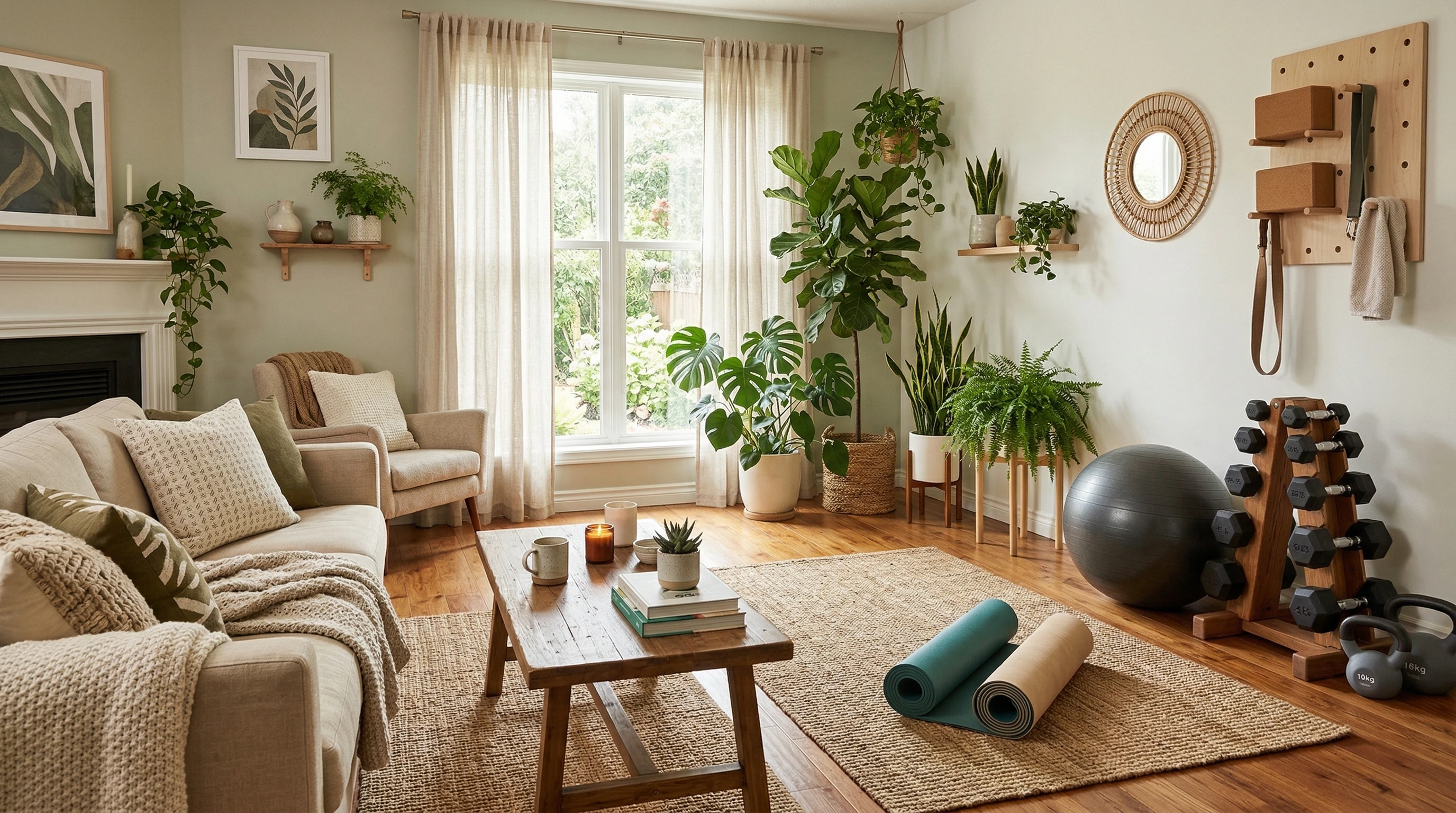
Most stress-relieving moves use just your bodyweight or things you already have at home, like a chair, pillow, or mat. If you want, add in a resistance band or light weights for variety, but they aren’t required. Using household items helps keep things straightforward and budget-friendly.
If you want some equipment for doing exercises, CLICK HERE to get it
Types of Stress-Relieving Exercises
What home exercises work best for stress?
- Stretching: Eases muscle tension and helps your mind unwind.
- Yoga: Combines gentle movement and deep breathing. Even beginners can get started with online videos or apps.
- Breathing exercises: Slow, controlled breaths trigger your body’s calming system. Try box breathing or the 4-7-8 technique (inhale for 4, hold for 7, exhale for 8 seconds).
- Light aerobic activity: Dancing in your living room or taking a brisk indoor walk can lift your spirits.
- Progressive muscle relaxation: Tense and release different muscle groups to relax your body from head to toe.
Can I mix and match different activities?
Absolutely. Mixing stretching, a little cardio, and calming breathwork can really help. Some days, you might want to follow a guided yoga class, and other times, a simple stretch and deep breathing session before bed is enough. Finding the combo that feels right for you takes a bit of trial and error, but it is worth it. As you experiment, track what helps you unwind the most.
Building Your Home Routine
How do I structure a stress-relief session?
Start with a few minutes of light stretching or gentle movement to loosen up. Move into your main exercise—maybe yoga, a quick dance, or even a series of bodyweight squats. Wrap it up with calmer moves: deep breathing, meditation, or lying on your back with your legs up for a few minutes. Even if you only have 10 minutes, hitting at least one move from each category can work wonders. Over time, you might want to add more variety, like tai chi or mindful walking.
What is a simple routine I can try right now?
- Roll your shoulders and neck a few times to shake off stiffness.
- Do five to ten slow, deep breaths (try the 4-7-8 pattern).
- Try a child’s pose or a lying hamstring stretch for 30 seconds each.
- Put on a favorite song and let loose—dance, hop, or march in place for a couple of minutes.
- Finish with more deep breaths or lie with your legs resting on a chair or wall for two minutes.
If you want to get into a routine long-term, keep things fresh by changing up the order and style. Some days can be high energy with music and movement, while others can focus on slow, restorative yoga and mindful breathing. Listen to your body and adjust as needed for the best results.
Safety & Tips for Beginners
Do I need to worry about injuries?
Most gentle at-home routines are safe for almost anyone. Move at your own pace, don’t push into pain, and remember it is totally normal for some stretches to feel a bit tight at first. If you have any health conditions or past injuries, check in with your doctor before starting something new, just to be on the safe side. Taking it slow and being mindful of your posture helps prevent problems. Wear comfortable clothes and keep water nearby.
What if I have trouble staying motivated?
Leave your mat or a reminder where you will see it as a cue to move daily. Try setting a daily timer, inviting a friend to join virtually, or tracking your sessions in a notebook or app. Keeping things fun and pressure-free makes sticking to your routine easier. On tough days, even a few minutes count and help you build the habit. Reward yourself for small wins to stay motivated over time.
FAQs & More Resources
Do these exercises really help with stress?
There’s plenty of research showing movement and breathwork can lower signs of stress in your body. Simple routines help regulate your mood and improve everyday resilience. I find even a quick stretch in the middle of the day can totally change my energy. Over time, regular movement encourages a calmer, more positive outlook and can give a boost to your overall sense of wellbeing.
Where can I find videos or guides for home routines?
Websites like Yoga With Adriene, apps like Calm, or searching “stress relief stretches” on YouTube offer lots of free, beginner-friendly videos. Don’t be afraid to look for new teachers or classes to keep things interesting.
Conclusion
Stress relief exercises we can do at home are a great idea. Not always and not everyone has been able to come to the gym. I think most of us want something simple and maybe easy to do, and stick with it. Surely we need to do exercise daily to have a real impact on our health, well-being, and stress levels.
Still have questions? Reach out anytime! If you need tips tailored to your stress level or specific situation, I’m always happy to chat and help you track down a routine that feels good at home. Drop your question below, and I will get back to you as soon as possible.
What do you think about this article? Do you have any advice or suggestions? Please let us know your thoughts and write in the comment section below.
If you want some equipment for doing exercises, CLICK HERE to get it
Meditation is the best way to relax and reduce stress. CLICK HERE to learn more about it
I would like to hear from you, so please leave me a comment below to let me know if this article helped you.
If you want to know more about ways you can manage stress, please subscribe to this blog.
If you think this article is helpful, please share it.
Thank you! Have a nice day! Until later
Linda Mo
Founder and owner of How To Reduce Stress Naturally