Today, we are going to look at the connection between diet and stress. The food we eat is important for our health, well-being, and stress levels. The right foods and diet can help us deal with stress better. Let’s explore more about the connection between diet and stress!
All those butterflies and jitters you feel when stressed out? That is your body’s fight-or-flight response kicking in, thanks to stress hormones like cortisol and adrenaline. When stress hits, these hormones surge, causing chaos in your system. You might not realize it, but what you eat can crank up or cool down these stress levels big time.
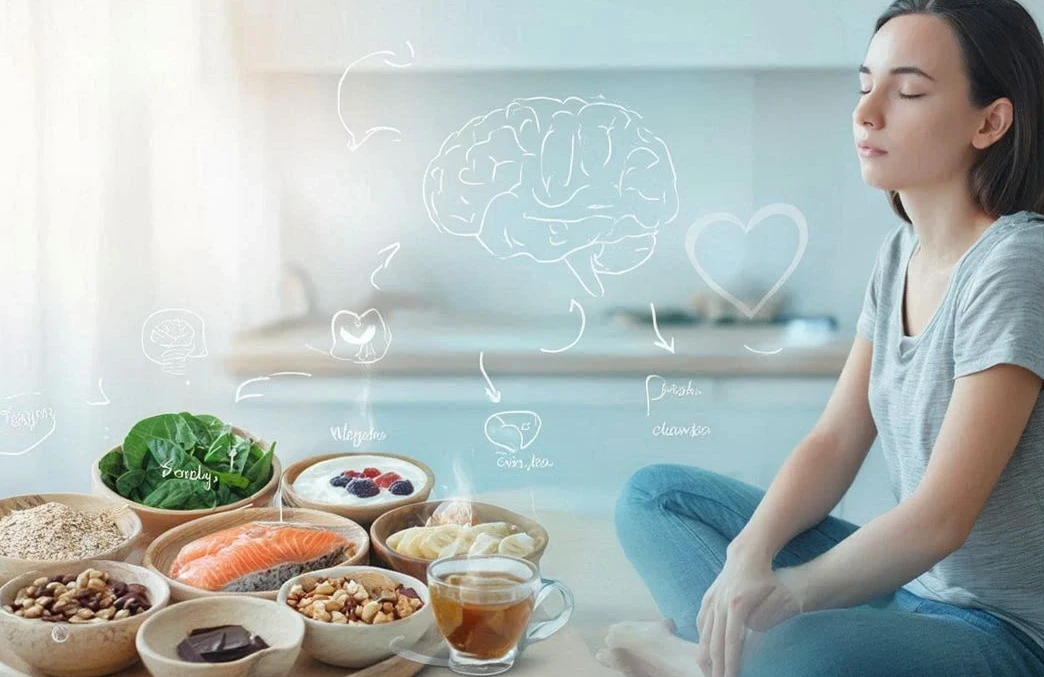
Food plays a sneaky but pivotal role in this stress tango. Diet can either amp up or ease the production of stress hormones. Think of cortisol like the tyrant boss of stress hormones. When too high, it wrecks your day. Certain foods can either send cortisol on a break or put it on high alert. Finding the balance is like having an emotional thermostat.
Neurotransmitters, which are like your brain’s messaging squad, also tie into mood regulation. Ever felt a sugar rush or a caffeine crash? That is neurotransmitters at work. Foods can fuel the right kinds of neurotransmitters, those that help keep you chilled out and happier even during stress storms. The key lies in truly understanding what you are eating and how it directly affects these mood messengers.
Foods That Increase Stress: What to Avoid
It is easy to reach for another cup of coffee during that afternoon slump, but hold up. Caffeine can crank up anxiety levels, making you feel even more on edge. Sugar also plays the same mean trick, giving you a quick spike of energy that is followed by a grumpy crash. Not exactly the best mood booster.
High-fat and processed foods play another dirty trick. These tasty treats, while tempting, can mess with your mood. Sure, they offer quick comfort, but they also disrupt your gut health and lead to inflammation. Both of these can send your stress levels skyrocketing.
And then there is alcohol. While it might seem like a quick fix to relax, it does the opposite. Alcohol can interfere with neurotransmitters, aggravating stress instead of pushing your worries away. If you are reaching for a drink to unwind, remember that moderation is key. Balancing your intake can keep stress levels from spiraling out of control.
Calming Foods: What to Eat to Stay Relaxed
Let’s see what kind of foods can be calming for stressful times!
- Omega-3 fatty acids are like peacekeepers in your body. Found in fish like salmon and mackerel, these fats can ease anxiety and lift your spirits. Think of them as your buddies during a meltdown. They help balance the brain functions, making stress less overwhelming.
- Complex carbohydrates, like those in whole grains, help stabilize your blood sugar and mood. Ever tried feeling sad while munching on a cozy bowl of oatmeal? It is tough! These carbohydrates steady your blood sugar, preventing the dips that make stress soar.
- Herbal teas, like chamomile or lavender, are the ultimate soothers. They have calming properties that can help slow down a racing heart. Sipping a warm cup can relax your body and mind, making it a bit easier to tackle stress. It is like a mini spa session right in your own mug.
Do you need some Omega-3 supplements? CLICK HERE to get it
Conclusion
The connection between diet and stress is real, and truly understanding that what you are eating and how that impacts how you are feeling. Some foods can make you calmer and more relaxed, and others just do the opposite.
What do you think about this article? Do you have any advice or suggestions? Please let us know your thoughts and write in the comment section below.
Meditation is one of the best ways to reduce stress. CLICK HERE to learn more about it
I would like to hear from you, so please leave me a comment below to let me know if this article helped you.
If you want to know more about ways you can manage stress, please subscribe to this blog.
If you think this article is helpful, please share it.
Thank you! Have a nice day! Until later
Linda Mo
Founder and owner of How To Reduce Stress Naturally