Today, we are going to talk about omega-3 and how it is needed for our health and stress management. Health is an important thing if we want to deal with stress more efficiently.
As an Amazon Associate, I earn from qualifying purchases
Why Omega-3 Fatty Acids Might Be Your Best Ally In Stress Management
If you are dealing with stress (and who isn’t these days?), you might be interested to know that omega-3 fatty acids could be a pretty handy addition to your toolkit. You have probably heard omega-3s get hyped up for heart and brain benefits, but there is actually a growing amount of research linking them to stress relief, too. It is worth getting into how these healthy fats work, where to find them, and what makes them such a reliable choice when life gets overwhelming.
Getting to Know Omega-3 Fatty Acids
What Exactly Are Omega-3s?
Omega-3 fatty acids are healthy fats that your body needs but can’t make on its own. The three main types are ALA (alphalinolenic acid), mostly from plant sources, and EPA (eicosapentaenoic acid) and DHA (docosahexaenoic acid) found in fatty fish. EPA and DHA get most of the attention when it comes to mental health and stress.
How Do Omega-3s Support the Body?
These fats work all over the body. I am most interested in how they support the brain. They are really important for brain cell structure and how your brain cells talk to each other. Your brain is actually made up of nearly 60% fat, and omega-3s make up a big part of that. They help with mood regulation, memory, and even play a role in toning down inflammation. That matters for stress and how your body processes it, because inflammation that is not handled can make things tougher on your mental and physical health.
Do you want some Omega-3 supplements? CLICK HERE to get it.
Omega-3s & Stress: What Is the Connection?
Lowering the Stress Response
Dealing with ongoing stress isn’t just about how you feel mentally. Stress can set off all kinds of physical processes, from high cortisol levels to inflammation that throws your whole system off. Omega-3s have been shown to help balance these responses by supporting healthy cortisol production and cutting down on background inflammation.
Mood-Boosting Effects
I have found that omega-3s are linked to improvements in mood, which definitely helps when stress tries to take over. Some studies have even found that people who regularly get omega-3s in their diet have lower rates of anxiety, irritability, or depressive episodes. The key is getting enough over time, not just as a quick fix when a stressful week pops up.
Protecting the Brain Under Pressure
One of the coolest things about omega-3s is how they help protect the brain’s structure when you are under steady stress. Chronic stress can change connections in the brain. Research points out that higher omega-3 intake helps keep your mind sharper and more resilient, even with life’s curveballs. This may also help support better focus and clearer thinking day to day.
Where To Find Omega-3 Fatty Acids
Top Food Sources
Fitting omega-3s into your daily routine isn’t tough if you know where to look. Some of the best sources are:
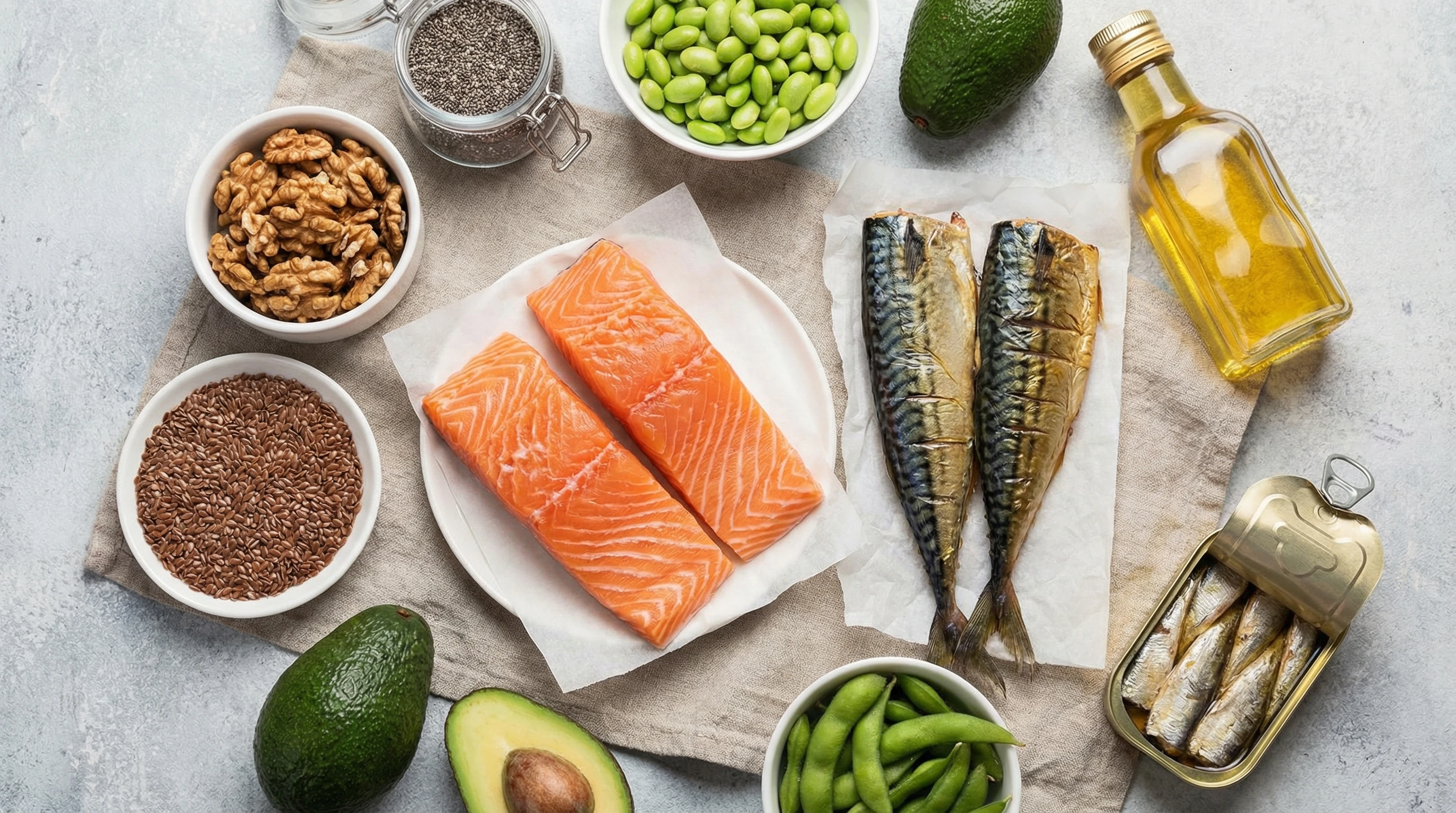
- Fatty fish (like salmon, sardines, mackerel, and anchovies)
- Chia seeds
- Flaxseeds
- Walnuts
- Algae oil as a plant-based option
Fish and seafood are the main sources of EPA and DHA, while plant foods mainly provide ALA. ALA converts to the other two in your body, but not very efficiently. That is why adding fish or a supplement is pretty helpful, especially if you are looking specifically for brain support. Exploring new recipes or trying different dishes featuring salmon, sardines, or even seaweed snacks can also help you keep things interesting as you look for ways to boost your omega-3 intake.
Omega-3 Supplements: Worth Considering?
If you are not a fan of fish or you follow a vegan diet, supplements like fish oil or algal oil (which is plant-based) can fill the gap. I always recommend checking with a doctor before starting a new supplement, mostly to get the dosing right and make sure it fits in with your other routines. If you choose supplements, look for products that have been double-checked for purity and safety, especially if you plan on using them daily over the long haul.
Making Omega-3s Part of Your Stress Management Plan
How Much Should You Get?
There isn’t a one-size-fits-all dose, but many experts say aiming for at least two servings of fatty fish per week is a solid start. For those using supplements, daily amounts often fall in the 250 to 500 mg range of EPA and DHA combined. Some people take more if addressing specific brain or stress concerns. Always consult a doctor to make sure you are doing what is best for you, especially if you have any medical issues.
Daily Habits For More Omega-3s
Please don’t worry that you need a brand new diet overnight. Small steps work. I like tossing chia seeds or walnuts into oatmeal, enjoying fish tacos, or drizzling flaxseed oil on salads. If you are already mixing up a smoothie or prepping lunch, it is a breeze to add these extras. Even simply sprinkling ground flaxseed or adding a few walnuts to a snack mix can make a helpful difference. Consistency is more important than perfection, so just try to sneak in these healthy sources whenever you can.
Quick Answers About Omega-3s & Stress
Are omega-3s safe for everyone?
For most people, omega-3s from food are safe and really useful. Supplements are widely used, but people with specific medical conditions or on blood thinners should talk to their doctor first.
How long until you notice results?
It usually takes a few weeks before you start noticing mood or stress level changes with omega-3s. It is more about building up those healthy fats in your system over time, rather than expecting overnight changes.
Can kids or teens use omega-3s for stress?
Yes, kids and teens can benefit from omega-3s too, both for brain development and mood support. Balanced meals with fish, nuts, or seeds usually cover their needs. For supplements, checking with a pediatrician is a good move.
Need More Info? Start Your Omega-3 Adventure With Confidence
If you are thinking about making omega-3s a bigger part of your stress-fighting strategy, there is plenty of info out there. Checking in with a nutritionist or doctor can help you create an approach that fits just right. I have seen firsthand how adding more of these healthy fats can make a difference—not just in mood, but in staying steady and focused when things get busy. Remember, small, sustainable changes are the most powerful. Adding a little more omega-3 could be a simple yet powerful way to give yourself a boost and stay strong through stressful days.
Conclusion
Omega-3 fatty acids can be a great ally for our health and stress management. As I always say, good health makes it easier to deal with stress and makes us more resistant to stress-caused issues.
What do you think about this article? Do you have any advice or suggestions? Please let us know your thoughts and write in the comment section below.
If you are looking for an Omega-3 supplement, CLICK HERE to choose it
Meditation is always good for stress relief and our well-being. CLICK HERE to learn more about it
I would like to hear from you, so please leave me a comment below to let me know if this article helped you.
If you want to know more about ways you can manage stress, please subscribe to this blog.
If you think this article is helpful, please share it.
Thank you! Have a nice day! Until later
Linda Mo
Founder and owner of How To Reduce Stress Naturally