Today we are going to talk about the role of exercise in stress management. Exercise is great for body and mind and can really help us to deal with stress. Let’s explore more!
Stress is a part of life, but how we understand and manage it can make all the difference. At its core, stress is our body’s natural response to any demand or challenge. It comes in different flavors, from the nail-biting type before a big presentation to the chronic grind of everyday pressures.

How it can impact you?
These stressors can hit us differently. Maybe you notice tension headaches creeping in at the worst times or find your patience tested more quickly than usual. Over time, unmanaged stress can lead to more serious health issues like heart disease, anxiety disorders, and even a shortened lifespan.
Studies speak volumes about stress taking center stage in our modern lives. It is no surprise, with the fast-paced demands we juggle day in and day out. In fact, research indicates that a significant portion of the population is dealing with high levels of stress regularly.
It is crucial to recognize these stress signals early on. Paying attention to how stress shows up in your body and mind is the first step towards reclaiming control. Like preparing for a thunderstorm with the right gear, knowing the signs helps you choose the best tools to keep calm and carry on.
Why Exercise is a Game-Changer in Stress Management
Exercise can be a real game-changer when you are tackling stress. When you get your body moving, you are not just trying to beat that number on the scale; you are setting off a chemical chain reaction that works wonders for your mood. The magic starts with those feel-good neurotransmitters, the endorphins, which act like natural mood lifters.

Improve Mood
Beyond those immediate mood boosts, there is some serious science behind how physical activity affects your nervous system. Working out can lower levels of stress hormones like adrenaline and cortisol. These changes help bring a sense of calm and relaxation that lingers long after you leave the gym or roll up your exercise mat.
Taking a cue from history, ancient Greeks and Romans already knew that moving your body meant happier minds. Fast forward to the modern day, and you have piles of research backing up the benefits of exercise for mental health. Studies repeatedly confirm that physically active people experience less anxiety and depression than their more sedentary counterparts.
Experts in mental health and fitness are all singing the same tune: get active if you want to help manage stress. It can be a daily walk, a weekly yoga class, or weekend hikes, regular exercise keeps stress at bay. It is about finding what feels right for you and creating a routine that you actually enjoy. Your mental health plan can be as unique as your fingerprint, aligned perfectly with your lifestyle preferences.
Recommended Exercises for Stress Relief: Finding Your Fit
When it comes to tackling stress with exercise, finding what works for you is key. Let’s take a look at a few different styles so you can find your fit.
1. Cardio is an awesome choice if you are looking for an energy boost and a mood lift. It doesn’t matter if you are hitting the pavement running, cruising on your bike, or swimming laps, cardio gets your heart pumping and those feel-good hormones flowing.
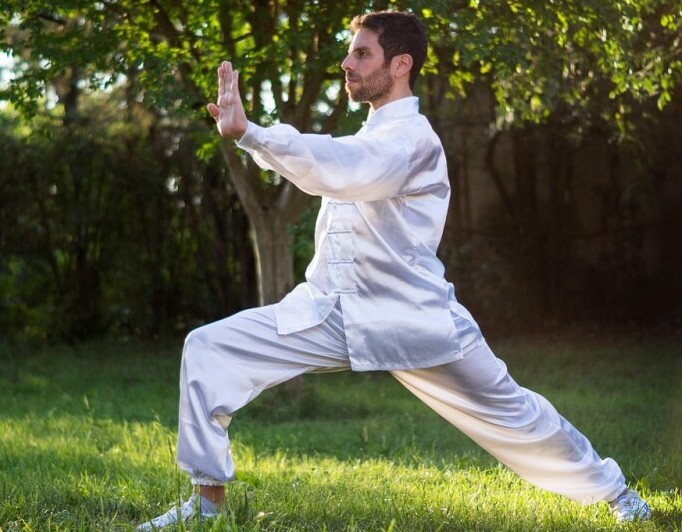
2. For a more mindful approach, yoga, Tai Chi, or Pilates might be the way to go. These exercises focus on gentle movements, deep breathing, and stretching, working wonders for both body and mind. Mind-body exercises are ideal for melting tension away.
3. If you are tight on time but still eager for results, High-Intensity Interval Training—HIIT for short—can pack a punch in a short amount of time. Quick bursts of intense activity followed by rest might be just what you need to blow off some steam.
Remember, the best exercise is one that you love doing. Experiment, try different things, and listen to your body. Creating a routine that’s tailor-made for you can make all the difference in sticking with it and reaping stress-relieving benefits.
Lifestyle Integration: Maintaining Consistency for Sustainable Stress Management
When it comes to managing stress, consistency is your best friend. Building exercise into your daily routine doesn’t have to be a monumental task.
1. Start small with achievable goals and take it step by step. Maybe it is a 15-minute walk every day, or a couple of yoga classes each week.
2. Charting your progress can offer motivation and provide a sense of accomplishment. Watching your journey unfold gives you that extra push to keep going. Some people find that tracking workouts in a journal or using a fitness app helps keep them accountable.
3. Exercise works hand-in-hand with good nutrition and plenty of sleep. They create a foundation for stress management and overall well-being. Eating right and catching those Zs gives you more energy to keep active and reduce stress.

What else?
Everyone has those days when motivation plummets. Building a support system—friends, family, or a workout buddy—can make all the difference. Sharing goals and encouraging each other can transform exercise from a chore into something you look forward to.
Real-life stories are powerful too. Many people transform their stress into strength using exercise. Every journey is different, but the victories are sweet. Stick with it, and watch how small changes in your lifestyle can add up to big wins over time.
Conclusion
Seems, the role of exercise in stress management is bigger than it seems at first glance. Using exercise is a great tool for not only your body but your mind too.
What do you think about the role of exercise in stress management? What do you think about this article? Do you have any advice or suggestions? Please let us know your thoughts and write in the comment section below.
If you are interested in learning about meditation, CLICK HERE to find out more.
I would like to hear from you, so please leave me a comment below to let me know if this article helped you.
If you want to know more about ways how you can manage stress, please subscribe to this blog, and you will receive a notification, when a new post is published.
If you think this article is useful, please share it.
Thank you! Have a nice day! Until later
Linda Mo
Founder and owner of How To Reduce Stress Naturally