
Today, we are going to explore what the best meditation cushion is and how that could help you. Meditation is one of the best ways to reduce stress. A meditation cushion is way better than sitting on the floor. Let’s see!
Meditation is one of my favorite ways to deal with daily stress and keep my mind clear. Over the years, I have noticed that finding the right meditation cushion isn’t just about comfort. It is about creating a space where you truly want to sit every day. There are plenty of cushions out there, and choosing the best one makes a big difference for anyone, whether you are totally new or have been meditating for years.
As an Amazon Associate, I earn from qualifying purchases
Why Meditation Cushions Are Worth Considering for Your Practice
Anyone who has tried meditating on a hard floor knows how quickly you start shifting around. That is where meditation cushions come in handy. They help you sit tall, keep your hips lifted, and support good posture. When your body is properly supported, it is so much easier to let go of discomfort and focus on your breath or your guided meditation.
Many people also find meditation cushions reduce the usual aches that pop up during longer sits, like numb legs, sore backs, or stiff knees. The right cushion makes your whole routine feel more inviting, encouraging regular practice and deeper relaxation. On top of that, the support allows your body to relax, which helps your mind quiet down—ultimately leading to a more profound meditation session and less stress overall.
If you want to choose a meditation cushion for better meditation practice that could reduce the stress you are feeling, CLICK HERE to look for options.
How Meditation and Meditation Cushions Help With Stress Relief
Meditation is a go-to tool for stress relief, but getting the physical setup right can make it even more effective. Using a cushion allows your body to settle in comfortably, so you are not distracted by sore joints or a cramped posture. This means you can tune into the process of calming your mind faster and more deeply.
In my own experience, a comfortable cushion was a game-changer. On a proper meditation cushion, you would be able to sit longer without feeling fidgety or tense. By supporting the hips and spine, the cushion lets your body relax, which in turn can help the mind relax. It’s a simple support tool that actually helps the stress-relieving qualities of meditation shine. For many, this little boost in comfort is just what it takes to turn meditation into a regular, soothing habit rather than a fleeting intention.
Types of Meditation Cushions: Which One Is Best?
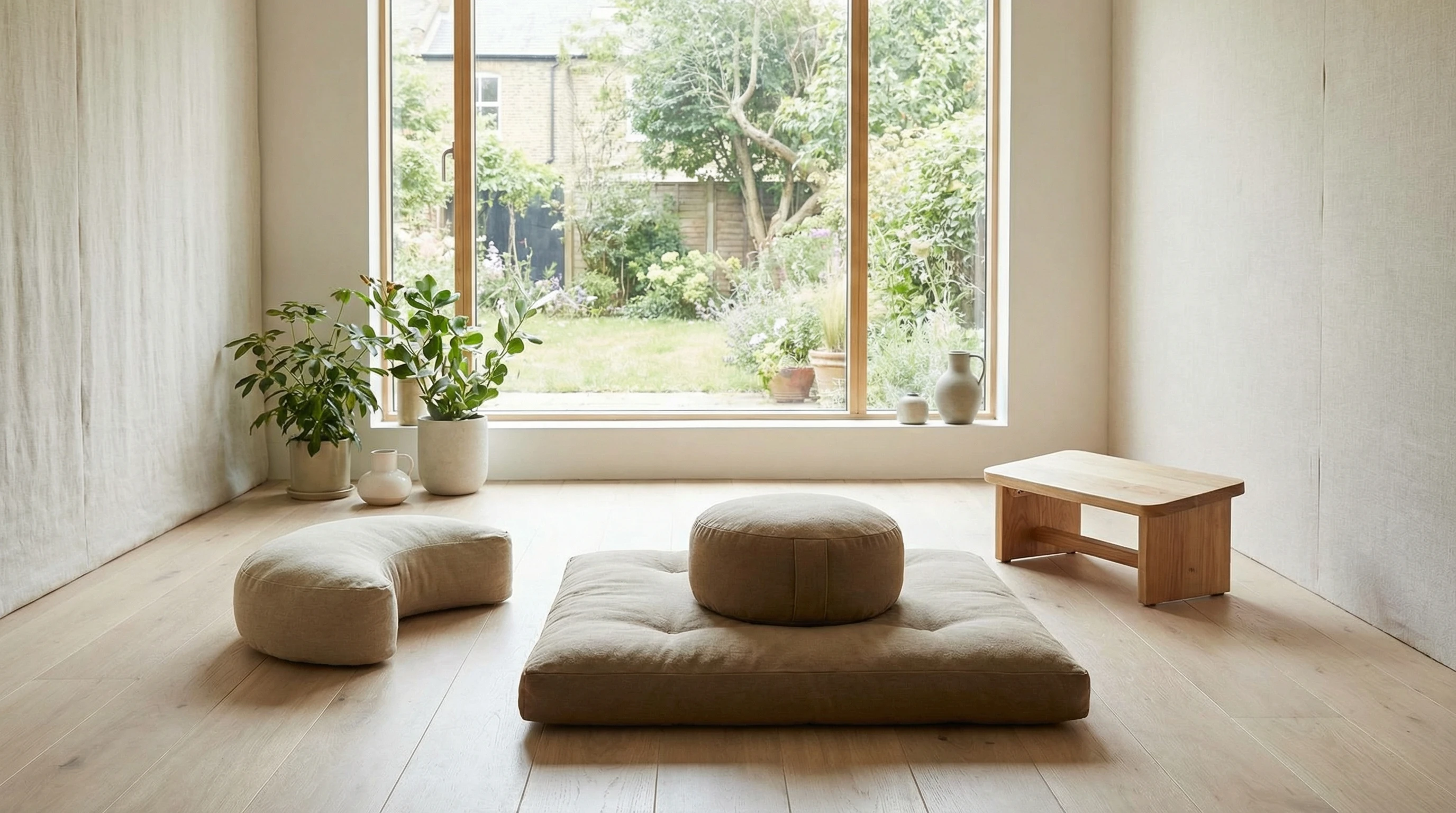
The variety of meditation cushions might surprise you. The main types include zafus, zabutons, crescent cushions, and meditation benches. Each has different benefits, so picking the best meditation cushion depends on your unique needs and preferences.
- Zafu: This round, pleated cushion is a staple in meditation communities. Usually about five to six inches high, it keeps the hips elevated above the knees and works well for most people; great for cross-legged sitting.
- Zabuton: More of a mat than a cushion, a zabuton is often paired with a zafu. It provides padding for your knees and ankles, especially useful if you have hardwood or tile floors.
- Crescent Cushion: Shaped like a crescent moon, this cushion offers extra support for the thighs and plenty of space for your feet. If you find standard round zafus a bit narrow, a crescent shape might be a better fit.
- Meditation Bench: If sitting in a cross-legged position isn’t comfortable, a meditation bench supports a kneeling posture. It can help keep the spine straight and take pressure off the ankles and knees. Some benches even fold, making them easy to store or travel with.
Sometimes it takes a bit of trial and error to find your favorite. You can start with a zafu, but over time could switch to a slightly wider crescent-shaped cushion, which improves comfort for my longer sessions. In truth, the best meditation cushion is one you genuinely want to use and keep coming back to.
Key Things to Think About Before Buying a Meditation Cushion
Not all meditation cushions are created equal. With so many options, here’s what you will want to keep an eye out for:
- Height: The height of your cushion changes your posture and comfort. If your hips are tight, a taller cushion provides a gentler stretch. People who are flexible or who sit seizastyle (on their knees) might prefer lower or thinner cushions.
- Fill Material: Popular fillings include buckwheat hulls, kapok fiber, and memory foam. Buckwheat is moldable and firm—my personal favorite because it adapts to your body’s shape. Kapok is lighter and softer, while foam is squishier and maintains its shape longer.
- Fabric: The outer material matters more than you would think. A cotton or organic cotton cover feels nice and breathable, while velvet brings a touch of luxury. Removable, washable covers are always a bonus.
- Portability: If you are going to yoga studios or group meditation sessions, look for cushions with handles or compact sizes for easy carrying.
- Durability: Stitching, fabric quality, and the zipper all determine how long your cushion will hold up. Spending a bit extra on something well-crafted often pays off in the long run. It is better to lock in durability from the start to avoid frequent replacements.
It helps to read a few reviews and, if possible, try sitting on different types of chusions at a studio before committing to a purchase. Ask for suggestions from teachers or experienced meditators—they often have great insight into which options are most comfortable over time.
Quick Guide to Finding Your Ideal Meditation Cushion
Sorting through choices doesn’t have to be confusing. Here is how I recommend starting the search:
- Know Your Sitting Style: If you prefer sitting cross-legged, go for a zafu, crescent, or even a bolster. For kneeling, a bench makes a lot of sense.
- Measure Up: Think about your own height and flexibility. Taller or less flexible people typically need a higher cushion (around 6-8 inches), while lower cushions (3-5 inches) suit more flexible sitters.
- Test Different Fills: If possible, try both buckwheat and foam-filled options. Some stores let you test them out, and just a few minutes can reveal a lot about comfort and support.
- Check Care Instructions: Cushions with removable, washable covers make life much easier, especially if you meditate outside or in groups.
- Read Reviews: I always scan reviews on websites like Amazon or yoga specialty stores to see how other meditators rate comfort and durability.
With just a little research, picking out the cushion that makes you want to sit every morning gets a lot easier. And if you ever find your preferences changing, it is comforting to know there are options for everyone, no matter where you are in your meditation adventure.
Potential Hurdles and How to Handle Them
Cushions are pretty simple, but there are still a few little bumps worth thinking about:
- Stiff Hips or Knees: Sometimes it takes a while for your body to adjust. To help, consider adding a second cushion under your knees or pairing your cushion with a zabuton mat.
- Too Hard or Too Soft: Buckwheat cushions might feel hard at first, but you can always take out some of the filling. Foam cushions start supportive but may compress over time, so look for a thick, high-density option.
- Travel Hassles: Some cushions are bulky. Foldable or lightweight designs work well for taking on trips or going to classes. Portability can really make a difference if you love to meditate on the go.
Stiffness and Body Adjustment
Your body may need time to get used to the new support. If you notice some initial stiffness, keep your sessions short and add gentle stretches before or after sitting. Over time, your posture and flexibility usually improve, especially with a supportive cushion. Daily practice can gently help your body get in tune with deeper stretches and better alignment, making every sit more pleasant.
Choosing the Right Thickness
If you find your cushion is too firm or not tall enough, some stores and online sellers offer extra filling or different thickness options. Experimenting a bit pays off down the road, providing way more comfort during your quiet time. Remember, there is no “one size fits all”; everyone’s body is unique, so don’t hesitate to make adjustments as needed.
If you want to get a meditation cushion for your meditation practice and comfort. CLICK HERE to look for options.
Cool Features That Make Some Meditation Cushions Worth Considering
A good cushion can be surprisingly versatile. Here are a few extras that can come in pretty handy:
- Handles for Easy Carrying: These make moving your cushion around the house or to class a breeze.
- EcoFriendly Materials: Many top brands use organic cotton and natural fillings, which appeal to anyone trying to go green.
- Extra Support: Some have added lumbar or knee support for people who struggle with posture. This little boost can make longer sits more enjoyable.
Some companies offer fun color choices or printed designs, so you can match your cushion to your meditation corner or home decor. Having a cushion you genuinely like looking at makes sticking with a meditation habit feel less like a chore and more like a treat. Personalizing your meditation space by adding a favorite cushion can even act as motivation—making meditation an activity you genuinely want to come back to every day.
Frequently Asked Questions
People new to meditation—or even some longtime practitioners—often have a bunch of questions about picking the best cushion. Here are some answers to the ones I hear most:
Question: Do I really need a meditation cushion?
Answer: Cushions aren’t strictly necessary, but they sure help make sitting more comfortable and focused. You can use a folded blanket if you are getting started, but most people find that a proper cushion helps them keep up with regular practice and makes the experience more enjoyable.
Question: How do I clean my meditation cushion?
Answer: Most cushions have a removable cover that you can toss in the wash. For buckwheat- or kapok-filled cushions, just spot-clean the inner lining as needed. Always check the care instructions on the label, and avoid using harsh detergents to extend your cushion’s life.
Question: What is the best height for a meditation cushion?
Answer: It depends on your flexibility and how you prefer to sit. Taller cushions give more lift for tight hips, while thinner ones are better if you can sit cross-legged with ease. If you are unsure, start with a medium height around five to six inches and adjust from there. Testing different heights and shapes can help you spot what feels best for your body.
Final Words on Choosing the Best Meditation Cushion
Finding the best meditation cushion is about making your practice something you look forward to, not a daily struggle with discomfort. The options might feel overwhelming at first, but a bit of personal testing and attention to your own sitting style goes a long way. Once you are set up with the cushion that truly supports you, you will probably notice you are much more likely to sit, breathe, and actually feel those stress relief benefits meditation has to offer. A small boost in comfort can turn meditation from a chore into something you want to come back to, day after day. By choosing a cushion that fits both your body and your lifestyle, you will give your meditation practice the support it deserves—and level up your stress relief too.
Conclusion
I would say no need to wonder what the best meditation cushion is, just try and explore it yourself. As you see, there is some advice on how to choose one and how it could be helpful in your meditation journey.
What do you think about this article? Do you have any advice or suggestions? Please let us know your thoughts and write in the comment section below.
Choose a nice meditation cushion for your meditation practice and comfort. CLICK HERE to look for options.
Meditation is a great choice for stress relief. CLICK HERE to learn more about it
I would like to hear from you, so please leave me a comment below to let me know if this article helped you.
If you want to know more about ways you can manage stress, please subscribe to this blog.
If you think this article is helpful, please share it.
Thank you! Have a nice day! Until later
Linda Mo
Founder and owner of How To Reduce Stress Naturally