Today, it is time to talk about vitamin B1 deficiency and how it is related to increased stress levels. Why is vitamin B1 so needed? How is it connected to stress relief? Can it help with that? Let’s explore more about it!
It is easy to chalk stress up to something that is all in your head, but what you eat can have a bigger impact than most people realize. One key player that often gets ignored? Vitamin B1, better known as thiamine. If you are running low on this vitamin, it can quietly turn up your body’s stress dial and leave you feeling drained and out of sorts. In this piece, I will break down why vitamin B1 matters for your stress response, how a lack shows up, and simple steps to get your levels on track.
Why Vitamin B1 Matters for Your Stress Response
Vitamin B1 may not make headlines, but it is a must-have for changing carbs into energy, which you need all day long. Your brain especially needs a steady stream of glucose, and thiamine helps with that whole process; without enough B1, just getting through a normal day might feel like a struggle. The connection between thiamine and a solid stress response runs deep—research shows that low B1 makes handling daily pressures a lot tougher.
Scientists have known for years that vitamin B1 keeps your mind sharp and your emotions on an even keel. Experts pointed out that feeling more irritable, down, or forgetful is a real red flag for B1 being low. That is not just a coincidence. Constant stress or crankiness is sometimes your body’s way of shouting for more of this vitamin.
How Vitamin B1 Deficiency Shows Up in Your Body
You won’t always spot thiamine deficiency right away. At first, signs are easy to pass off as just a rough week:
- Mood swings and irritability: Easily annoyed or anxious? Thiamine has a say in how steady your mood feels.
- Fatigue and no motivation: Without B1, feeling wiped can turn into your norm, and small stressors feel huge.
- Brain fog: It is harder to focus or keep track of things if your mind’s low on fuel.
- Restlessness or tension: Not being able to chill, even when you want to, can be a tip-off.
When deficiency goes unchecked, things can get more severe, like muscle weakness, tingling in the hands and feet, or even health problems like beriberi and Wernicke-Korsakoff syndrome. Well before that, though, low B1 can quietly undermine your energy and your ability to bounce back from stress, making tough days feel tougher.
Does Vitamin B1 Really Help with Stress?
There is science backing up the stress-busting power of thiamine. People who added a B-vitamin complex high in thiamine reported lower stress, better mood, and a sharper mind after three months. The difference isn’t just on paper—plenty of folks say they feel calmer, more energetic, and better able to roll with the punches when they start eating thiamine-rich foods or using a supplement. While vitamin B1 isn’t a cure-all for stress, it hands your nervous system the tools it needs to do its best work.
Everyday Habits Putting You at Risk for B1 Deficiency
Not getting enough B1 is easier than you think these days. Many processed foods strip out thiamine, and modern habits can put you off balance:
- Refined carbs: White bread, pasta, and pastries have little B1 left after processing.
- Drinking alcohol often: Alcohol keeps you from absorbing thiamine and makes you lose more in the bathroom, which is why heavy drinkers are especially at risk.
- Ongoing health issues: Problems like diabetes, GI disorders, or frequent diarrhea sap B1 reserves.
- Stressed-out lifestyle: Long stretches of stress burn through B1 faster. Ironically, stress makes it easier to lose the very vitamin that helps you cope.
If your usual diet misses out on foods like peas, beans, seeds, or lean pork, a B1 shortfall could be sneaking up on you.
How Thiamine Supports Stress Relief: Simple Science
The way thiamine helps you ride out stress makes a lot of sense once you look at how it works:
- Your brain’s energy supply: B1 allows your brain to use glucose efficiently. When your mind has enough fuel, clear thinking and a positive attitude come more naturally.
- Mood-boosting messages: Thiamine is needed for building neurotransmitters like serotonin, GABA, and acetylcholine. These chemicals help keep nerves calm and mood balanced.
- Dodging burnout: If your cells get plenty of energy from B1, you’re less likely to run out of steam or overreact emotionally when things go sideways.
All this adds up to a stronger, steadier stress response and an easier time recovering when challenges pop up.
Ways to Boost Your Vitamin B1 Naturally
Hitting your B1 needs isn’t complicated—just get more of the good stuff in your daily routine. Try these ideas:
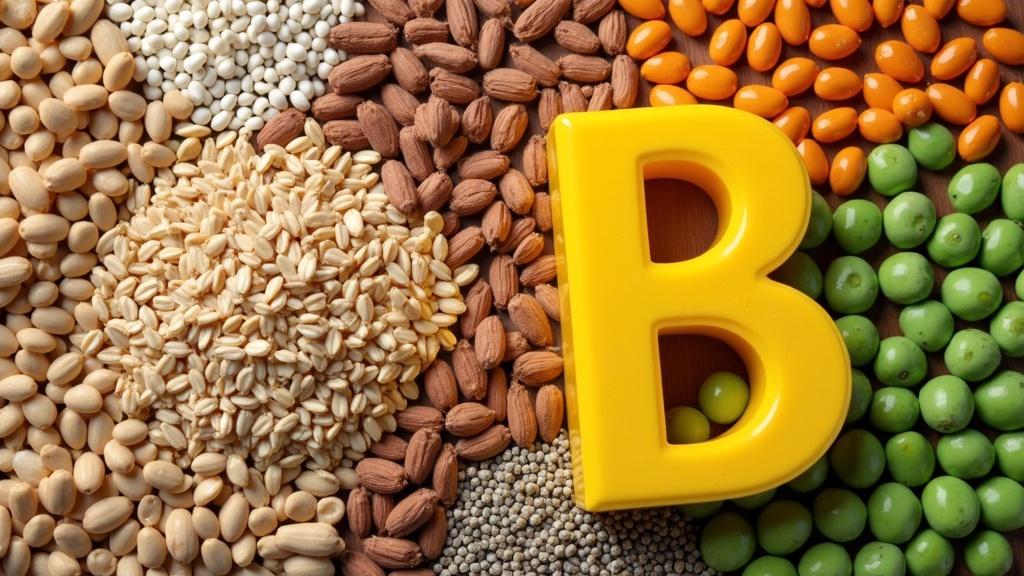
- Whole grains: Oats, brown rice, and wheat germ can all add up to a full day’s worth.
- Beans and peas: Lentils, black beans, and split peas are simple ways to bulk up your intake.
- Sunflower seeds and nuts: Sunflower seeds are an especially strong source.
- Lean pork: Often the top animal source of vitamin B1.
- Fortified picks: Look for cereals or nut milks with thiamine added in—it is usually labeled.
If you lean into a vegan or mostly processed-food diet, or if you just want a safety net, talk to your doctor about adding a B-complex. Not every multivitamin is loaded with B1, so double-checking the label pays off.
Risks and Things to Consider When Supplementing
Thiamine supplements are low-risk since any excess just gets flushed away, but a little caution still goes a long way:
- Get advice from your healthcare provider before jumping into a new supplement, especially if you are on medication or have health concerns.
- More isn’t always better. Adults usually just need about 1.1–1.2 mg each day. Sometimes extra is needed if your body burns through B1 faster, but only bump your dose if your doctor gives the green light.
- A balanced diet full of B1-rich foods will always be your best bet for long-term health, rather than going for mega-doses.
Frequently Asked Questions about Vitamin B1 and Stress
This is a hot topic for a reason. Here are some questions you might have:
Q: Will thiamine get rid of my anxiety?
A: Thiamine helps your brain withstand stress to a point, but it can’t instantly wash anxiety away. The main benefit is a steadier, more balanced reaction to life’s everyday dramas, so stress and anxiety don’t hit as hard.
Q: How do I spot if I’m low on vitamin B1?
A: Signs like feeling snappy, wiped out, or forgetful can be clues. Blood tests from your doctor are the only surefire way to know—especially if you have digestive problems or drink often.
Q: Is too much thiamine a worry?
A: Overdoing it with food is almost impossible, and your kidneys handle any overflow. High supplement doses are usually safe, but keep them within the recommended range unless your provider tells you otherwise.
Q: Can boosting vitamin B1 fix my stress right away?
A: No supplement acts like a magic button. If you start off low, upping your B1 can help in a few weeks, but managing stress means looking after your whole lifestyle—including sleep, movement, and balanced eating.
Everyday Steps for Lowering Stress with Nutrition
Breathing exercises and mindfulness have their place, but what you put on your plate matters, too. Here is a go-to checklist for better stress resilience:
- Eat a B1-rich breakfast, like oats or fortified cereal, to start strong.
- Limit highly processed foods, since they are stripped of thiamine.
- Toss sunflower seeds into your snacks or meals for an extra punch of B1.
- If you are often tired or tense, consider asking your healthcare provider to check your vitamin status.
When you make nutrition changes—especially by bumping up vitamin B1—you set yourself up for steadier energy, focus, and stress resilience. Over time, you will likely find that staying even-keeled is much easier.
A few tweaks to your diet really can help you stand tall against stress. With the right nutrition, more energy, and a calmer mind, everyday setbacks lose their grip, even when life refuses to slow down.
Conclusion
Vitamin B1 deficiency can badly impact your stress levels, make you more irritable, down, or forgetful, or just more moody. That will not help when stress and anxiety rise due to real-life struggles. This is why vitamin B1 and basically all vitamins are needed. They get lost more because of stress.
Are you using vitamin B1 supplements? Or any? What do you think about supplements as additional help with your health and stress levels? What do you think about this article? Do you have any advice or suggestions? Please let us know your thoughts and write in the comment section below.
Meditation is something that can help while dealing with stress. CLICK HERE to learn more.
Please leave me a comment below, and please subscribe
If you think this article is useful, please share it.
Thank you! Have a nice day! Until later
Linda Mo
Founder and owner of How To Reduce Stress Naturally