Now it is time to explore the science behind vitamin supplements and stress management. For sure, vitamins and supplements can help us deal with stress. This time, we talk about science related to supplements and stress.
Stress is more than just a state of mind. It is a biological response that can shake up our whole system. When stress hits, our bodies go into overdrive, releasing hormones like cortisol and adrenaline. While a little stress can make you sharper for a brief moment, ongoing stress starts to wear you out, kind of like keeping your foot on the gas pedal for too long.
Balanced Diet Needed
Ever felt like no matter how much you eat, you are just drained? You might be juggling a bunch of essential nutrients or, more accurately, missing them. Iron, zinc, magnesium, and a handful of B vitamins are especially critical. When stressed, your body uses up more of these, fast-tracking deficiencies that can make you feel even more on edge.
Long-term, unresolved stress screws with your body’s ability to absorb enough nutrients. It is kind of a vicious cycle. You get stressed, you skimp on eating well, and your body taps its reserves of what it has got. Suddenly, you are not just tired, you are fatigued, indecisive, and way more irritable than you would like.
Think balancing your diet is just a saying? Nah, it is a life hack. A well-rounded diet gives you all those nutrients you need to mellow out those stress spikes. But when your meals fall short, that is when the trouble creeps in. So a diet rich in fresh veggies, lean proteins, and whole grains isn’t just basic health advice; it’s legit essential for keeping stress from running your life.
The Role of Vitamin Supplements in Stress Management
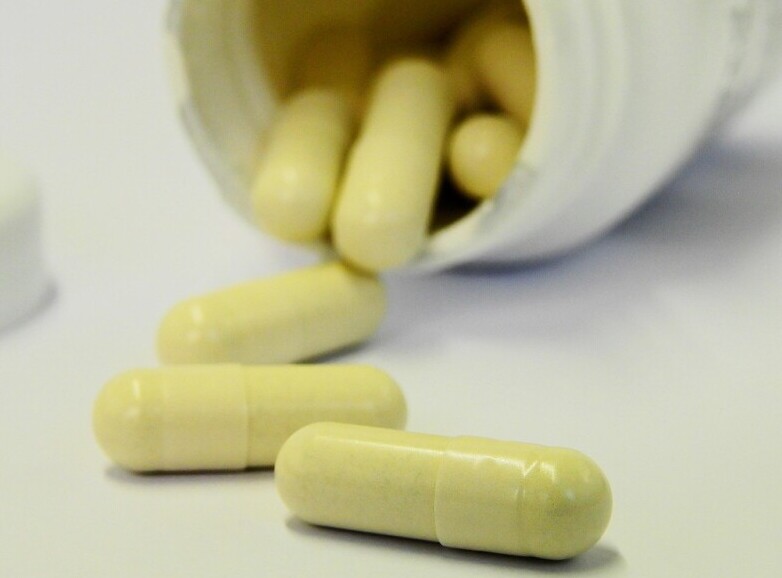
Stress doesn’t just sap your energy; it can zap your nutritional reserves, too. That is where vitamin supplements can step in, filling the gap when diet alone isn’t enough to keep stress in check. But diving into the world of supplements can be head-spinning with so many options out there.
Supplements complement your lifestyle
Certain vitamins take center stage in stress relief. B-vitamins, for example, are the unsung heroes in stress management. Known to help the body control stress by supporting our nervous system and energy levels, they are a popular pick for those looking to keep calm. Magnesium is another star player, often dubbed the ‘relaxation mineral’ for its role in calming muscles and nerves.
Supplements don’t work like magic, though. They are exactly that – supplements. They complement a generally healthy lifestyle rather than replace it. Studies have highlighted how specific supplements could ease stress-related symptoms, like anxiety and mood swings, but they are most effective when combined with good nutrition and healthy habits.

Safety
Got a safety question on your mind? Things like dosage and duration matter. Taking too much of a ‘good thing’ can backfire. Too much vitamin D or iron, for instance, can lead to issues like toxicity. Also, always review how supplements may mix with other meds you might be taking. It is worth having a chat with a doctor to pick what is right for you, minimizing potential side effects while maximizing benefits.
For sure, supplements can be a helpful tool in a stress management toolkit, but they are not the be-all, end-all, and fix everything. They should be seen as part of a broader strategy aimed at wellness, extending beyond just diet and supplements. Always aim for an informed choice – one that suits your unique body needs and lifestyle.
Choosing the Right Supplements for Stress Relief: A Guide for Beginners
Feeling like stress is getting the upper hand? It is crucial to pick the right supplements to help keep it in check. But how do you even begin? No need to stress, here is a handy guide for you.
1. The first step is figuring out what exactly you are dealing with. Stress can come with a range of symptoms like fatigue, mood swings, and even insomnia. Once you have got a handle on which symptoms are bugging you the most, it is easier to zero in on which supplements could lend a hand.
2. If you are a newbie in the supplement aisle, start simple. Look at labels for B-vitamins or magnesium, which are pretty standard for stress relief. Always choose reliable brands. Checking for third-party testing logos can offer some peace of mind that what is on the label is actually what is inside the bottle.

3. When pondering natural versus synthetic, remember it is often about personal preference. Some say natural sources like plant extracts have fewer side effects, while others stick with synthetic ones for their potency and availability. Do a bit of reading or reach out for some expert advice to see what might work best for you.
4. Don’t overlook the need for expert advice. Before you throw a bunch of pills into your shopping cart, think about consulting with a doctor. They can run tests to see what is actually needed and clue you in on how supplements might interact with any meds you are already using. It is all about making sure you get the benefits without the woes.
Starting out on supplements to tweak the stress might seem daunting, but channel your inner detective, do a little research, weigh the options, and get some professional insights. The goal is finding something that fits comfortably into your lifestyle and leaves you feeling ready to tackle whatever stress has in store.
Incorporating Supplements into a Holistic Stress Management Plan
Imagine approaching stress like piecing together a puzzle. Supplements are a piece, but they are hardly the whole picture. A holistic plan brings multiple tools to the table, like mindfulness practices, regular exercise, and yes, those carefully selected supplements. This multi-pronged approach can truly transform the way stress influences your life.
What can you do?
1. Mindfulness is powerful and pairs well with the calming effects of the right supplements. Regular practices like meditation or deep-breathing exercises help ground you in the present, easing the mental whirlwind that stress can whip up.
2. Exercise is more than just about physical health; it is a stress buster. Regularly sweating it out can release endorphins, dubbed the happy hormones, which naturally help lower stress levels. Think of it as creating a positive feedback loop where physical activity boosts mood, which helps manage stress better.
How should supplements fit into all this? Timing is key. Taking your supplements at a consistent time each day, ideally with meals, can help in routine building. Engage different senses, like setting reminders on your phone, to help make it as routine as brushing your teeth.
Stories
Stories of those who have successfully added supplements to their lifestyle can be inspiring. Hearing firsthand about improvements in anxiety levels and sleep quality can be motivating.
Remember, these tales of success usually pair supplements with a ‘big picture’ lifestyle change—really driving home the message that combining various strategies nets the most impressive results.

So forge a stress management plan worthy of the lifestyle you aspire to. Let supplements play their part, but don’t forget to weave in those everyday practices that ground you. The balance between body, mind, and your environment creates the best defense against stress’s sneaky incursions.
Conclusion
Vitamin supplements are great for stress management, and science also proves that. However, need to take into account the bigger picture. Lifestyle is important, and supplements can only be part of it to support you, but not the only choice for stress relief.
What do you think about this article? Do you have any advice or suggestions? Please let us know your thoughts and write in the comment section below.
Meditation is one of the best ways to reduce stress. CLICK HERE to learn more.
Please leave me a comment below, and please subscribe
If you think this article is useful, please share it.
Thank you! Have a nice day! Until later
Linda Mo
Founder and owner of How To Reduce Stress Naturally