Today, we are going to explore the connection between calcium and stress relief. How does this element help you in this case? Can it really? We live in a stressful world, so we need to take good care of ourselves, our health to deal with stress. Let’s see!

As an Amazon Associate, I earn from qualifying purchases
The Connection Between Calcium And Stress Relief
If you have ever wondered why nutrition experts suggest adding more calcium-rich foods to your diet, it is not just for strong bones. Calcium plays a role in a bunch of different processes in your body, including how you handle stress. Here is a breakdown of what you need to know about how calcium and stress relief fit together.
Calcium 101: What It Does In The Body
What is calcium?
Calcium is a mineral I rely on for everything from supporting bone and teeth strength to making sure my muscles and nerves work smoothly. You probably already know about the bone side of things, but calcium also helps keep your heart beating and helps blood clot normally if you get a cut.
On top of that, calcium helps keep your cells working right. Every cell needs calcium to trigger and regulate muscle contractions and even to help send out signals that form the backbone of your nervous system. This is why calcium has so many essential roles besides keeping your skeleton healthy.
How much calcium do I need?
Most adults need about 1,000 mg of calcium per day, and that number goes up to 1,200 mg as you get older. Sometimes, factors like medications, certain diets, or digestive conditions make it tricky for people to get enough. It is worth checking your intake if you are not sure whether you are hitting the mark.
Kids and teens, pregnant women, and older adults may need more because their bones are developing, changing, or losing density faster. If you are concerned about your calcium levels, checking in with a healthcare provider could help you stay on top of things.
How Does Calcium Impact Stress?
Calcium and your nervous system
The connection between calcium and stress relief starts with the nervous system. Calcium helps transmit messages between nerves and can help calm overactive nerve signals. This can make a difference if you are feeling frazzled or anxious.
Nerve cells use calcium to send messages across tiny gaps called synapses. Without enough calcium, these messages can get scrambled, which sometimes leaves you feeling on edge or unable to relax.
Maintaining stable moods
I have learned that low calcium levels sometimes make people feel jumpy, moody, or even down. Several studies show a link between calcium deficiency and changes in mood, which could make it harder to handle everyday stress.
Keeping calcium in a healthy range doesn’t guarantee you will never feel stressed, but it is one more tool to help keep emotional ups and downs in check. Tracking your intake can make a difference, especially if you already struggle with low mood or high stress.
Hormonal balance and stress response
Calcium also works behind the scenes on hormone release, including hormones that affect your response to stress. When calcium levels are low, your body releases more of a hormone called parathyroid hormone (PTH), which may impact your cortisol levels, the main stress hormone.
If cortisol stays high, it can make you feel tense or wired. Good calcium levels help regulate this system, so your body isn’t in a constant state of fight or flight.
Best Calcium Sources For Stress Relief
Food first
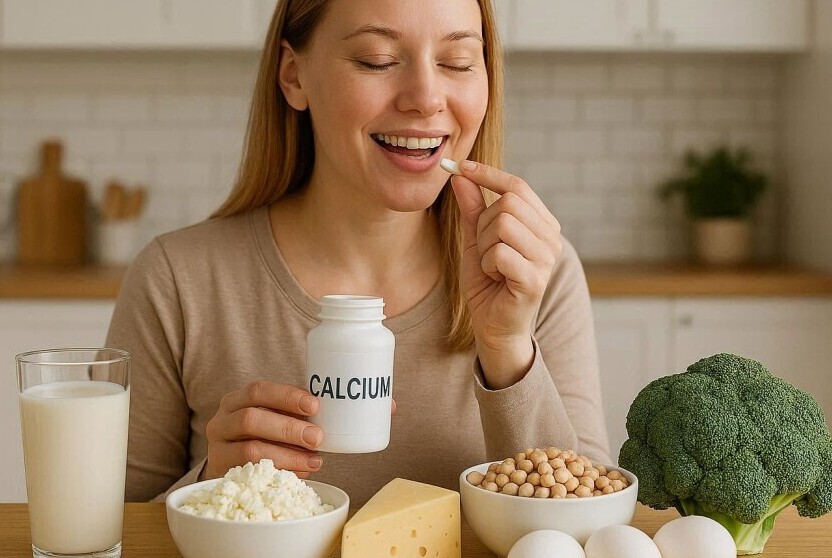
There is no shortage of ways to get more calcium. I find the easiest and tastiest way is through food. Dairy products like milk, cheese, and yogurt are classics, but you can also find plenty of plant-based options.
Leafy greens like kale, bok choy, and broccoli are pretty handy for boosting your intake, and don’t skip out on canned sardines or salmon; they come with bones, and those little bones are loaded with calcium.
To get more creative, try stir-frying greens, adding tofu to salads, or using fortified plant-based milks in your morning coffee. Small changes can go a long way toward helping you meet your daily goal, especially if you mix in a variety of sources each week.
What about supplements?
Supplements are an option if you find it tough to get all your calcium from food, but there are a few things to keep in mind. Too much calcium can cause its own problems, like kidney stones or issues absorbing other minerals, especially iron and zinc. I always recommend talking to your doctor or a registered dietitian first before starting any supplements.
If you need some Calcium supplements, you can CHECK HERE
If a supplement is needed, look for one that you can take in divided doses (like 500 mg at a time) since your body can only absorb a limited amount in one go. Pairing with meals also helps absorption, and choosing the right form for your needs matters—calcium citrate is easier on the stomach if you have digestive sensitivities.
Practical Stress Relief Tips Connected To Calcium
Balancing your plate
Since calcium works best when you are also getting enough vitamin D (which helps you absorb calcium), I like to pair calcium-rich foods with sources of vitamin D like eggs, mushrooms, or a little sunlight. Mixing in magnesium-rich foods is also helpful because magnesium and calcium work as a team for nerve and muscle relaxation.
Some easy combos include a tofu and spinach omelet, yogurt with pumpkin seeds, or a salmon and kale salad. These options make sure you are getting vitamins and minerals that work together for the best results, making stress management a little smoother.
Daily habits that help
Along with focusing on calcium, staying hydrated and moving your body can amp up stress relief. Exercise and water both support how effectively your muscles, nerves, and hormones function. You will notice the difference if you spend a day feeling run-down or tense and then go for a brisk walk.
Other habits that give a boost to both stress relief and calcium absorption include getting enough sleep and minimizing caffeine, which can interfere with how much calcium your body absorbs. Even small tweaks, like stretching at your desk or swapping one soda a day for water, help your body and your mind stay resilient.
Common Questions About Calcium And Stress
Can calcium help with anxiety?
While calcium isn’t a direct treatment for anxiety, keeping your levels in a healthy range supports good nerve function and mood balance. This can help stress and anxiety feel more manageable, though addressing anxiety may need a bigger game plan, including sleep, exercise, and talking to someone if it is overwhelming.
Are there risks with too much calcium?
Yes, more isn’t always better. Very high calcium intake from supplements can cause digestive symptoms, stickiness in your arteries, or kidney stones. I always aim to hit my target mainly through food unless a doctor tells me otherwise.
How do I know if I am getting enough calcium?
I try to keep an eye on my weekly menu and look for signs like muscle cramps, tingling, or fatigue if I am feeling off. If you are not sure or have medical conditions that affect absorption, chat with your doctor about lab tests or ways to track your intake.
More Resources For Stress Support
Learning about nutrition’s impact on stress goes beyond just calcium. If you are looking for a place to dig deeper or you want some new meal planning ideas, the Cleveland Clinic has some great, easy-to-read guides. You can also ask your doctor for a referral to a registered dietitian, especially if you have a health condition or need tailored advice.
Stumbling upon more strategies for stress support—like mindfulness, regular movement, or balanced eating—can give a big boost to your well-being. The key takeaway is that calcium is just one piece of the bigger puzzle, but paying attention to it can help you build a sturdier foundation for both mind and body.
Conclusion
Calcium is a great element we need in our diets and our lives. Some time ago, I personally did not know how important calcium is for stress management. It is essential and helps with the mood.
What do you think about this article? Do you have any advice or suggestions? Please let us know your thoughts and write in the comment section below.
Meditation is always a great tool for you. CLICK HERE to learn more about it
I would like to hear from you, so please leave me a comment below to let me know if this article helped you.
If you want to know more about ways you can manage stress, please subscribe to this blog.
If you think this article is helpful, please share it.
Thank you! Have a nice day! Until later
Linda Mo
Founder and owner of How To Reduce Stress Naturally