Stress comes for all of us at some point, and chronic stress is the worst thing we would not want in our lives. Stress impacts us physically, and our muscles can become tense. So today we explore this topic a bit, and I am sure many of us are wondering about it; at least I did once. I asked myself a question: Why do my muscles tense up when I am stressed?
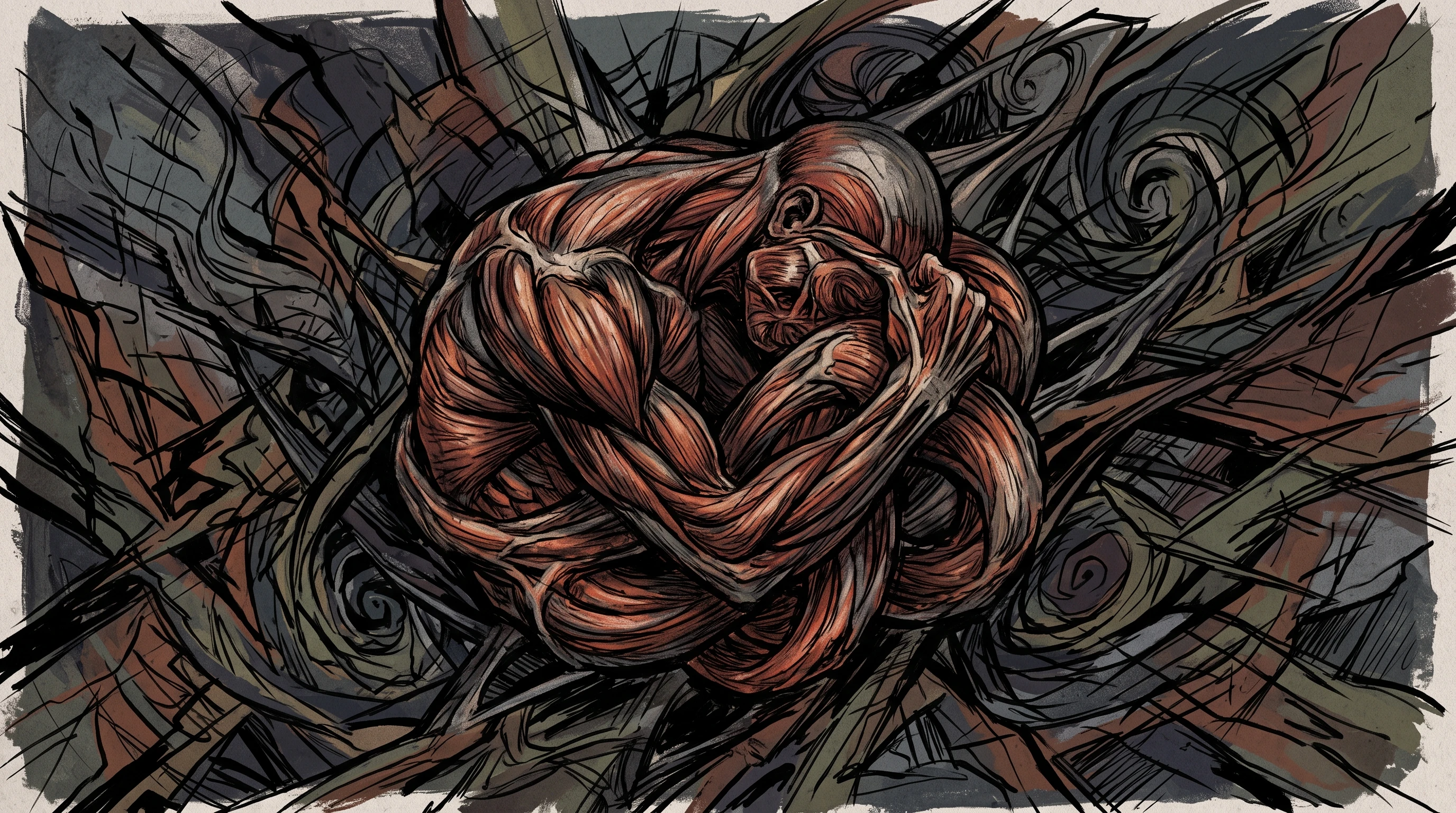
Why Do My Muscles Tense Up When I Am Stressed?
If you have ever noticed your shoulders creeping up toward your ears or your back tightening when life gets hectic, you are definitely not alone. Muscle tension is something I run into a lot whenever I am juggling too much or feeling anxious. It is a really common reaction, and there are some interesting reasons why your body does this under stress.
Understanding Stress and Muscle Tension
What Happens to Your Body During Stress?
Your body has a built-in system called the “fight or flight” response. When you notice a stressful situation, like a big deadline, a tough conversation, or even just everyday worries, your brain acts as if you might be in some sort of danger. This triggers a wave of changes, sending hormones like adrenaline and cortisol to help you react fast. One of the less obvious changes is that your muscles get ready to move, which means they tighten up.
Why Do Muscles Get Tight?
This tension is basically a way for your body to keep you alert and prepared. Back in the day, this made total sense if you needed to run away from a wild animal. Now, most stress isn’t something you physically run from, but your body still thinks you might. So, your muscles tense up, even if you are just sitting at your desk or lying awake at night.
The Science Behind Muscle Tension
Which Muscles Get Affected the Most?
When I am stressed, I feel it most in my neck, shoulders, and back. These are common spots, but other areas can tighten up too, like your jaw (hello, teeth grinding!), forehead, or even your hands. Chronic stress can leave you feeling sore, stiff, or even lead to headaches and jaw pain.
How Does the Nervous System Play a Role?
Your nervous system is kind of like your body’s messaging center. When it gets the “danger” signal from your brain, it tells specific muscles to contract, especially those involved in protecting vital organs (like your core muscles) or getting you ready to react quickly. If these signals keep coming without much of a break, your muscles sometimes forget how to relax, so you can end up feeling tight long after the stress has passed.
Everyday Triggers That Cause Muscle Tension
Examples of Everyday Stressors
I see muscle tension pop up most often when I am working on a big project at work, stuck in traffic, worried about family, or even just from doomscrolling too much on my phone. Anything that makes you anxious or frustrated can get the tension going. Even “good” stress, like prepping for a big event or exciting news, can trigger muscle tightness. Social situations, financial worries, or unexpected changes in routine can also prompt your body to brace itself, causing muscles to tighten. It is no wonder so many people deal with this issue on a daily basis.
Long-Term Effects of Chronic Tension
If tense muscles become part of your everyday routine, you might start to deal with ongoing problems like tension headaches, neck and back pain, trouble sleeping, or feeling generally worn out. Sometimes, this can even affect your posture and make your muscles weaker or more easily injured. Over time, chronic muscle tension may limit your range of motion and flexibility. Some people even experience digestive problems, as persistent muscle tightness can impact how other body systems function. The long-term effects show why it is so important to tackle stress and tension as soon as you notice them.
Ways to Loosen Up: Practical Tips That Work
Quick Stress-Relief Techniques
I find a few minutes of deep breathing can do wonders for tense muscles. Simply inhale slowly, hold your breath for a second, and exhale just as slowly. Gentle stretches, either at your desk or wherever you are, help a lot too. Rolling out your shoulders, stretching your neck, or simply standing up and moving around breaks the cycle of tension. Some people notice benefits from simple self-massage, pressure point techniques, or even taking a brisk walk outside when you start to feel tight. The key is to break up static postures and let your body unwind.
Daily Habits for Less Muscle Tension
- Regular Exercise: Activities like walking, yoga, or swimming are pretty handy for both stress and soreness. Even light movement each day helps your body shake off excess tension and keeps your muscles more relaxed over time.
- Good Posture: Paying attention to how you sit or stand can make a big difference. I always try to check in on my posture throughout the day, and those little reminders help keep chronic tension at bay.
- Mindfulness: Practicing mindfulness or even a simple body scan before bed can help your muscles realize it is okay to relax. Focusing on slow breathing or imagining tension draining away from each muscle group helps your body unwind.
- Staying Hydrated: Dehydrated muscles are way more likely to cramp up and feel stiff. Keeping a water bottle nearby and drinking regularly is a simple step you can take to keep your muscles happy.
- Massage or Heat Therapy: Whether it is self-massage, a warm shower, or a heating pad, these tools are definitely worth checking out. Even a few minutes with a warm compress can help your muscles let go of built-up tension.
- Balanced Digital Use: Spending long hours hunched over your phone or keyboard can really amplify muscle tension, so take regular breaks to stretch and move, even if it is just for a couple of minutes at a time.
Frequently Asked Questions About Stress & Muscle Tension
Is muscle tension from stress serious?
Not usually, but if the tightness just won’t go away, it is a good idea to talk to a doctor or physical therapist. Ongoing muscle pain can sometimes signal a bigger issue that needs attention. Don’t ignore persistent discomfort, especially if you notice new or worsening symptoms.
How can I tell if my pain is from stress and not an injury?
This is a really common question! Stress-related tension often comes and goes depending on what is happening in your life and usually gets a bit better when you relax. Sharp or sudden pain, numbness, or weakness could be a sign of something else, so those are times to check in with a healthcare pro. If your pain lines up closely with stressful moments, that is often a clue it is stress-related, but only a professional can give you a solid answer.
Are there medications for muscle tension?
Muscle relaxants are sometimes prescribed, but I find most people get good results from lifestyle changes first. Over-the-counter painkillers or topical creams can offer relief for sore areas, but focusing on stress management and healthy habits tends to work better in the long run. If your symptoms aren’t budging, a healthcare professional can help you figure out whether medication makes sense for you.
Conclusion
It is all about listening to your body, if I am being honest. Stress can cause your muscles to be tense. This is why we need to keep in mind relaxation and avoid chronic stress.
Muscle tension is one of the ways your body responds to stress. Although it can feel uncomfortable, understanding why it happens is the first step toward finding relief. Simple habits like gentle stretching, mindful breathing, taking short breaks, and making time to relax can help your muscles release some of that built-up tension.
Tuning in to muscle tension is a really helpful way to spot when stress is sneaking up, sometimes before your mind even catches on. Building in regular stretches, exercise, and ways to decompress makes a huge difference. If your muscle tension feels like it is controlling your life or not getting better, reaching out to a medical professional is always a smart move. Taking care of stress and those tight muscles pays off every day, so try to put your well-being at the top of your list. With awareness and a few simple habits, you can help your body unwind and feel better, even on your busiest days.
With care,
Linda Mo
Founder and owner of How To Reduce Stress Naturally