
Stress is something that impacts our health and well-being. Immunity is most affected in this case. Chronic stress can affect our immune system and make it harder for the body to fight infections. So today we are going to talk about boosting your immune system with herbal supplements. 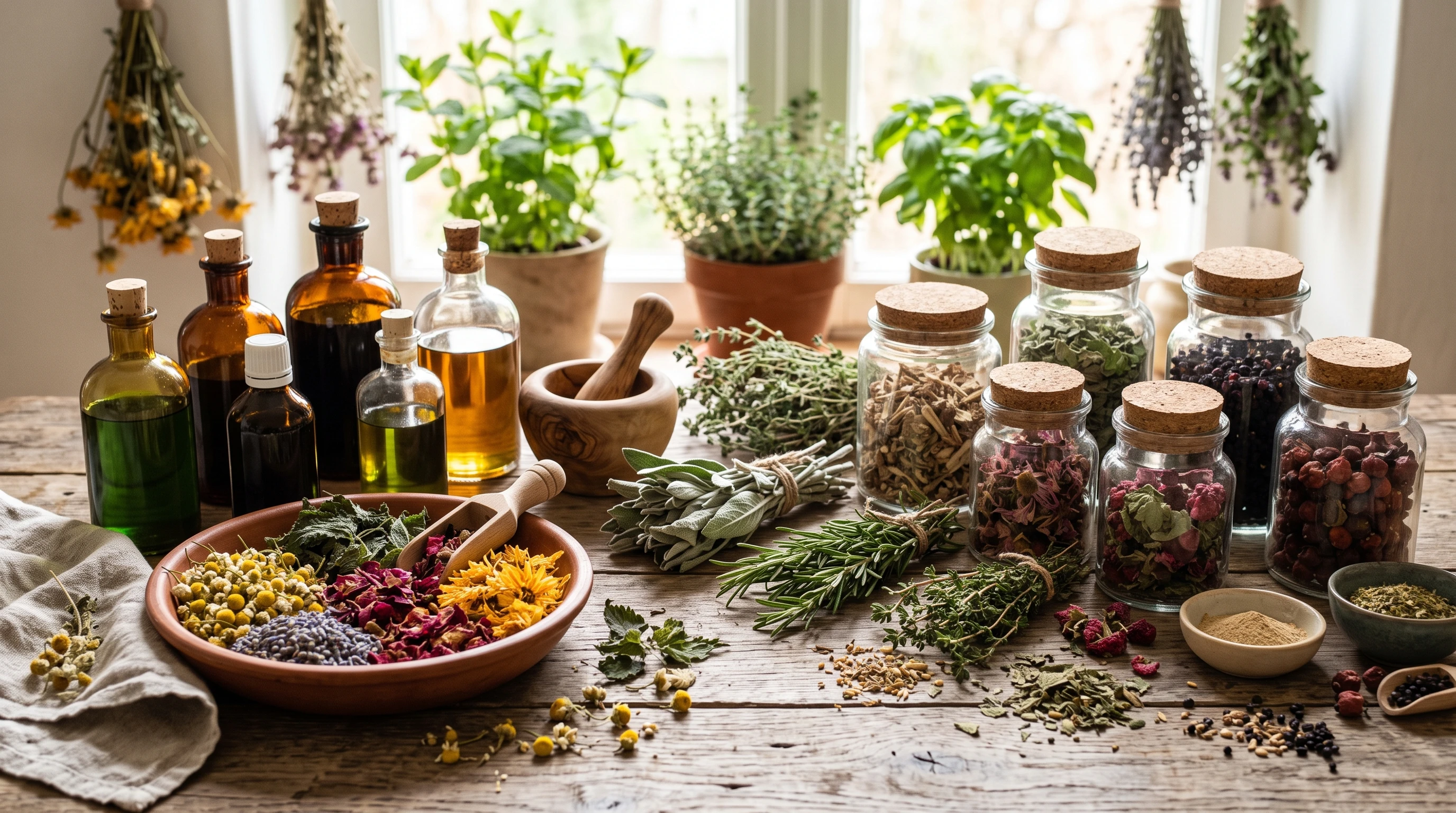
This post contains an affiliate link. I may earn a commission from qualifying purchases at no extra cost to you.
Welcome to Your Guide: Boosting Immunity with Herbal Supplements
Curious about herbal supplements and how they can give your immune system a hand? You are in the right place. I have put together straightforward answers to common questions and explainers on how herbal remedies might help you feel your best. If you ever wonder which herbs support immunity or how to pick the right products, you will find practical info and tips here. Either way, I always recommend talking with your doctor about the need to use supplements.
Herbal Immunity Basics
What Are Herbal Supplements for Immunity?
Herbal supplements for immunity are products made from leaves, roots, seeds, or flowers of plants that are believed to support the immune system. These can be capsules, teas, tinctures, or powders. People often turn to herbs like echinacea, elderberry, astragalus, and garlic when looking for a natural way to stay healthy during cold and flu season. Each plant works a bit differently, and I always pay attention to quality and trusted sources before trying anything new.
How Do Herbal Supplements Help the Immune System?
Herbal supplements might boost your immune system in a few ways. Some encourage your body to ramp up production of white blood cells, which help fight off germs. Others have antioxidants that help reduce inflammation or help the body manage stress, which is pretty important for overall wellness. There is no magic bullet, but certain herbs can give your immune system a subtle nudge in the right direction.
Can Herbal Supplements Really Make a Difference?
Plenty of people report feeling better when they use herbal supplements, with fewer sniffles, more energy, or noticeably quicker recovery after illness. While scientists are still studying how these plants work, some clinical research backs up traditional wisdom, especially for herbs like elderberry and echinacea. That said, results can vary from person to person. Herbal supplements work best when combined with other healthy habits, such as sleep, a good diet, and regular exercise. Some people also use herbal teas or blends as part of a wellness routine. For instance, a ginger and honey tea can soothe the throat and provide comfort, while turmeric drinks may support overall inflammation regulation. The ritual of having herbal tea itself can encourage mindfulness and relaxation, helping to lower stress levels—which, in turn, keeps your immune system in good working order.
Popular Herbal Supplements for Immune Support
What Are Some Well-Known Immune Boosting Herbs?
From years of both research and personal experience, these herbs are widely used for their potential to help protect and balance the immune system:
- Echinacea: Known for possibly shortening the length of colds and encouraging immune cell activity.
- Elderberry: Packed with antioxidants, elderberry syrup or capsules are popular for fighting off cold symptoms.
- Astragalus Root: Traditionally used in Chinese medicine, astragalus may help your body resist stress and infection.
- Garlic: With natural compounds that may help fight bacteria and viruses, garlic can be taken raw, cooked, or in supplement form.
- Ginger: Valued for its anti-inflammatory power, ginger may encourage a healthy immune response.
- Turmeric: Curcumin, the active part of turmeric, is a strong antioxidant and may support immune function.
Looking for herbal supplements, vitamins, or natural wellness products? Explore a wide range of options at iHerb and discover something that fits your wellness routine!
Other herbs gaining attention for immune support include reishi mushrooms, medicinal blends of mushrooms, and green tea, which contains polyphenols that may be helpful for immunity. Experimenting with various combinations may help you stumble upon what best fits your needs and body type.
Are Herbal Supplements the Same as Pharmaceuticals?
Not quite. Herbal supplements use parts of plants, while pharmaceuticals are usually made from isolated compounds or are synthetically produced. Herbal remedies usually work more gently and can be used over longer periods; however, they do interact with the body and with medicines. That is why I always check with a doctor if I have any concerns or if I am starting a new supplement while taking prescribed medicine. Supplements made from whole plants might have a more holistic effect, but this also means that results can be subtle and may take time. Pharmaceuticals, on the other hand, are developed for strong, targeted effects but may come with more pronounced side effects. Both options have their place, so thinking about your health goals and checking in with your healthcare provider will help you make smart choices.
How Herbal Immunity Ties Into Stress Relief & Relaxation
Why Is Stress Relief So Important for the Immune System?
High stress takes a toll on our bodies, and the immune system is no exception. When I am stressed out, I am more likely to catch a cold or feel run down. Managing stress isn’t just about feeling calm; it is closely tied to staying healthy. Chronic stress can lower the production of immune cells, make it harder for your body to fight off infections, and cause inflammation to spike. Stress can affect sleep, appetite, and mood, all of which play into your overall immune resilience. That is why bringing down stress, whether through herbal support or lifestyle habits, can help you stay healthier in the long run.
Which Herbal Supplements Help with Both Immunity and Stress?
Some herbs pull double duty for immunity and relaxation. For example:
- Ashwagandha: This adaptogen balances the stress hormone cortisol and helps the body cope with both physical and mental pressure.
- Holy Basil (Tulsi): Supports stress relief and boosts immune resilience at the same time.
- Rhodiola Rosea: May help with fatigue, stress management, and balancing immune function.
Others to check out include lemon balm and passionflower, which have calming effects and may help your body rebound from stressful events. I like to use teas, capsules, or even add these as powders to smoothies. Having a cup of ashwagandha or tulsi tea in the evening really helps me relax before bed, which is another easy way to improve overall immunity!
How Can I Combine Stress Management With Immunity Support?
Mixing herbal supplements with self-care practices works well. I have noticed that blending herbs known for stress relief, like chamomile, lavender, or lemon balm, with immune-boosting herbs can be super useful. Mindful habits like deep breathing, meditation, or regular movement work even better when paired with the right herbal support. Some people pair supplements with aromatherapy or gentle daily rituals, such as lighting a candle or writing in a journal at the end of the day. These habits encourage relaxation, reduce stress hormones, and set your body up for effective immune function. Little by little, these steps add up, helping you get a stronger immune system in your daily life.
Buying and Using Herbal Supplements
How Do I Choose High-Quality Herbal Supplements?
Choosing reliable supplements makes a big difference. I look for brands that clearly list ingredients, avoid added fillers, and ideally use organic or wildcrafted herbs. Certifications from third-party testers are worth checking out. Reading reviews from other users can clue me in on quality and effectiveness, but I always balance that with scientific info where possible. It is a good idea to research suppliers before buying. Look for transparency regarding where their herbs are sourced. Some brands share certificates of analysis or testing for purity, which can offer extra peace of mind. Shelf life and freshness matter too—fresh or properly dried herbs will have stronger flavors and better effects than herbs that have sat on the shelf for too long.
Are There Side Effects or Risks?
Even natural supplements can cause side effects if used improperly or mixed with prescription meds. Some people have allergies or sensitivities to certain plants. For example, echinacea can cause an upset stomach in some people. Mixing St. John’s Wort with other drugs can cause problems. That is why it is super important to talk with a doctor if you are already taking regular medications or if you have health conditions. Pregnant or breastfeeding individuals, children, and those with chronic illnesses should be extra cautious and always double-check with a healthcare expert before adding any new supplement. Also, more isn’t always better—stick to the recommended dose to avoid upset stomach, drowsiness, or other unwanted effects.
How Should I Take Herbal Supplements for Best Results?
I make sure to follow the directions on the label, whether that is a specific dose or the best times to take a supplement. Some herbs work best taken daily, while others are handy at the first sign of illness. I have found that taking supplements with food can help avoid stomach upset, and drinking plenty of water keeps everything moving smoothly. Keeping a journal of your supplement use and observing how your body responds can be helpful. Note any changes in energy, mood, or immune symptoms, as these can give you clues about what’s working and if you need to adjust your routine.
Immunity, Herbs, and Everyday Habits
Do Herbal Supplements Replace a Healthy Lifestyle?
Supplements add to, not replace, the basics of self-care. You can get the best results when you use herbal products along with sleep, exercise, and a balanced diet full of fruits, vegetables, lean proteins, and healthy fats. Herbs on their own can give my immune system extra support, but they can’t outdo the benefits of good daily habits.
What Else Can I Do to Boost Immunity?
Along with choosing the right herbal supplements, these daily tips always pay off for me:
- Prioritize enough sleep—at least 7-8 hours if I can manage it.
- Get regular movement, even if it is just a walk around the block.
- Stay hydrated with plenty of water; herbal teas count, too.
- Eat a colorful, whole-foods-based diet for broad-spectrum nutrients.
- Take time to unwind and look after your mental well-being.
- Wash your hands often and get outside for fresh air and sunshine when possible. These basics set a strong foundation for everything else you do to stay healthy.
Conclusion
The stress we experience can impact our health and well-being and our immunity. Hopefully these herbal supplements mentioned can help you to support your immune system.
There are lots of herbal options out there, and it is natural to have questions. Whether you are new to supplements or looking to fine-tune your immune support routine, it is always a good move to reach out for guidance from a qualified practitioner, especially if you have a health condition. When you choose wisely and combine herbal support with healthy everyday habits, you are setting yourself up for stronger immunity and better well-being, inside and out!
If you are looking for herbal supplements, vitamins, or natural wellness products? Explore a wide range of options at iHerb and discover something that fits your wellness routine!
Take care of yourself, and remember that small steps toward better health can make a difference.
With care,
Linda Mo
Founder and owner of How To Reduce Stress Naturally