Today, we are going to talk about combining art and journaling for creative stress relief. Combining art and journaling is a really effective way to take some stress off your mind and encourage creative thinking at the same time.
Using both words and visual elements helps you express your emotions in different ways, turning stressful thoughts into something you can process and even enjoy. I want to share what I have learned about art journaling for stress relief, including some research, practical tips, and handy ideas to help you jump in with confidence.
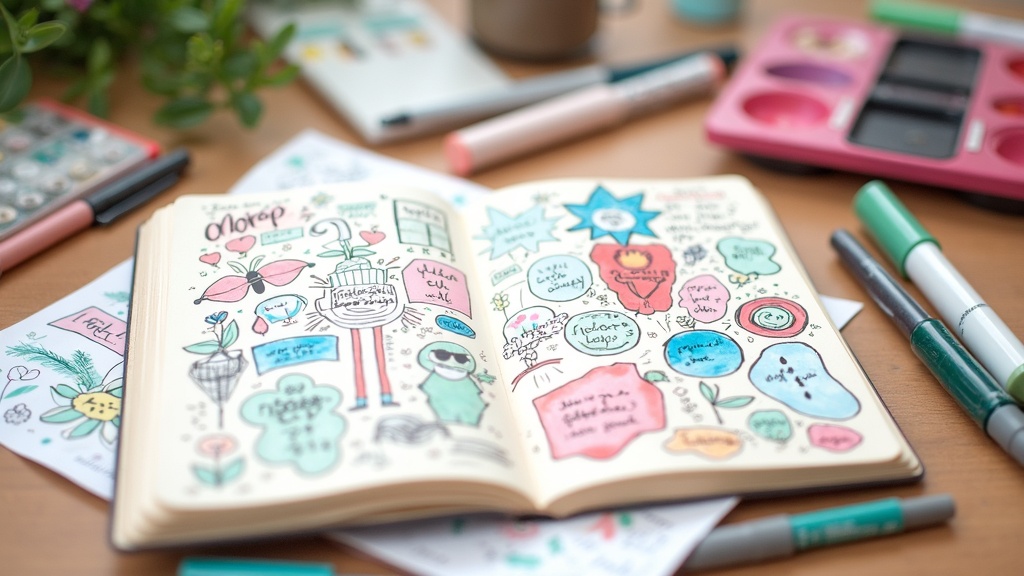
Do you want some art journaling ideas or supplies? CLICK HERE to get
As an Amazon Associate, I earn from qualifying purchases
Why Art Journaling is Really Good for Stress Relief
It is not just about getting creative. Combining art and journaling taps into some proven stress-busting benefits that anyone can enjoy, no matter their skill level. I have checked out a few studies and found that making art, even if you are a total beginner, has been shown to lower levels of stress and anxiety.
According to research published in the journal Art Therapy (2016), just 45 minutes of creative activity like drawing or painting can lower cortisol, which is the body’s main stress hormone. When you add journaling—writing down your thoughts or feelings—you can find even more stress relief by processing emotions privately and at your own pace.
Art journaling isn’t about producing a masterpiece. Most people find it helpful because there is no pressure to make it perfect. The act of combining doodles, color, shapes, and personal reflections gives you a safe place to let your mind wander and work through whatever is on your mind. Even if you are having a rough day or don’t know where to start, the process itself is what matters.
Getting Started with Art Journaling for Stress Relief
You don’t need fancy supplies or an art background to get going, just an open mind and a few basics. Here are a few items I recommend for a simple starter kit:
- Journal or Sketchbook: Any blank notebook will do. Thicker pages are handy if you want to use paint.
- Pens, Pencils, Markers: Go for whatever feels comfortable to write and draw with.
- Colored Pencils or Watercolors: These add visual variety and make things more fun, especially for mood tracking or color washes.
- Glue, Scissors, Old Magazines: Pretty useful for collage work or adding inspiring images and words.
If you are more into digital tools, apps like Procreate or even basic note apps with drawing features can work, too. There is no single way to do things. The goal is to make something that feels meaningful to you and helps you let thoughts out.
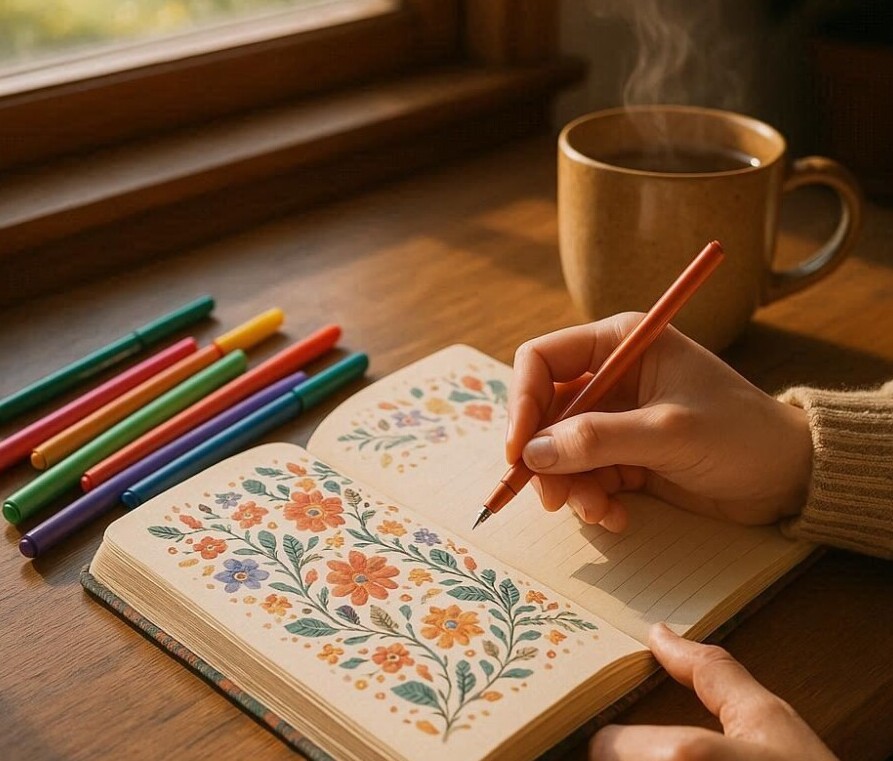
Easy Art Journal Ideas That Help with Stress
If you are feeling unsure where to begin, no worries. Here are a few art journaling prompts and methods I use when I want to wind down or sort out tough feelings:
- Colorful Mood Trackers: Draw simple shapes or charts, then fill them in with colors that match your mood for the day.
- Collage Pages: Cut out pictures, quotes, or cool patterns from magazines and glue them into your journal. Add your own captions or doodles around them.
- Gratitude Pages: Write or draw something you are thankful for each day. I like to add little drawings or symbols with each note.
- Mindful Mandalas or Patterns: Drawing repetitive shapes, spirals, or mandalas can be really calming. No planning needed, just fill a page with whatever patterns come to mind.
- Stream of Consciousness Drawing: Close your eyes, put pen to paper, and let your hand move freely. Open your eyes and add colors or words to build on whatever you have drawn.
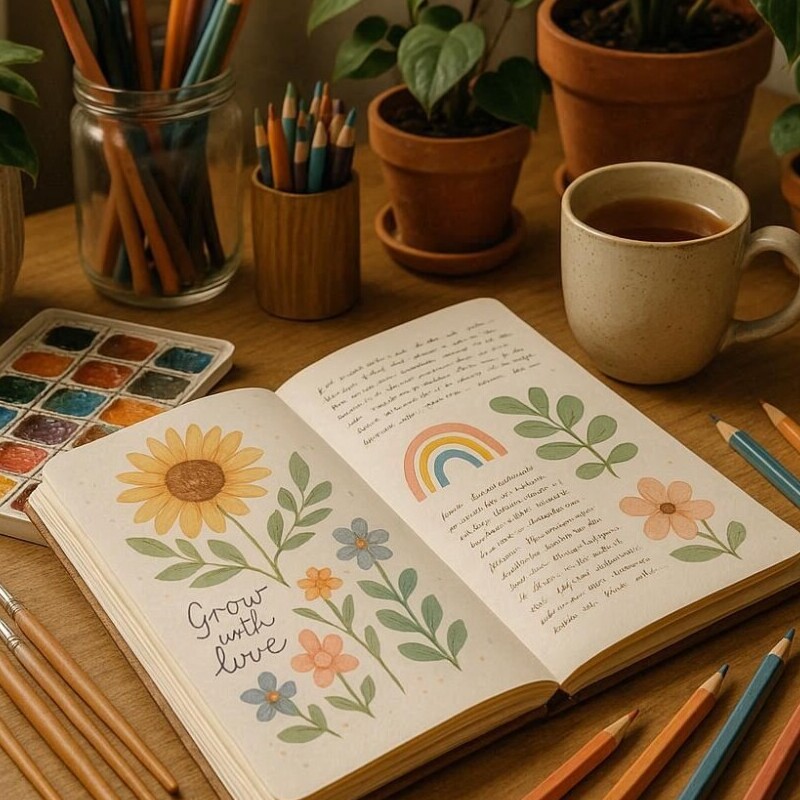
If you want more ideas, check out online art journal communities or Pinterest boards packed with prompts—it helps keep your creativity fresh!
Common Challenges in Art Journaling (and How to Handle Them)
Even though art journaling is pretty flexible, you might still run into a few bumps. Here is what I have noticed, along with some ways to sort them out:
- Worry About Artistic Skill: This one is pretty common—I have been there! Remember, this isn’t about perfect technique; it is about self-expression. The best pages are often messy and honest.
- “Blank Page” Nerves: Starting can feel overwhelming. Doodle a small object or use a prompt to get going. Sometimes I just splash some color or scribble down anything. Mistakes are part of the process, so let them come!
- Making Time: Life gets busy, but even five minutes doodling or writing before bed can make a difference. I set a timer or keep my journal somewhere easy to grab when I have a free moment.
- Perfectionism: If you notice yourself wanting to “fix” or “redo” journal pages, try covering them with collage pieces or turning them into new art. Each page is a step in your creative adventure.
Be kind to yourself about how things look and remember that practice helps ideas and confidence grow over time.
Tackling Perfectionism with Collage and Layers
Sometimes, when I am not happy with how my pages look, I just cover up old journal pages with scraps of paper, stickers, or new doodles. This way, the journal is always evolving, and the focus stays on the feeling—not the final product. It is a great reminder that there is no need to get it right on the first try or even the second. Your journal is your space, so let it be as layered and ever-changing as you want.
Mixing Art and Writing for Better Stress Relief
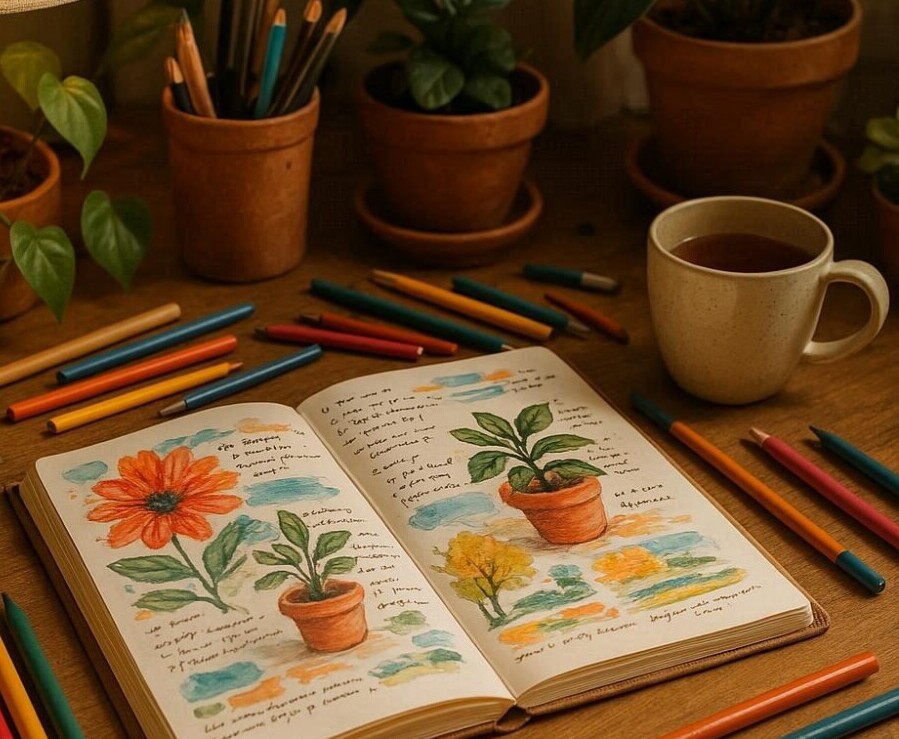
Using both words and images in the same journal tends to have a bigger impact than using one or the other alone. On tough days, I let myself draw how I feel—scribbles, storms, jagged lines. Then I write about it underneath, or beside the drawing. At other times, I will write a quick journal entry and add a splash of color to convey my mood, or include photos and decorate around them. The visual side can sometimes say what words can’t, and vice versa.
The combo helps you process feelings in different ways. Expressive writing, especially when mixed with visual art, is tied to reduced distress and better overall well-being. That is pretty motivating to keep going, even when you are not sure what to put on the next page.
Advanced Tips for Art Journaling as Stress Relief
Once you are used to filling a few pages, try switching things up for more variety and creative growth. Here is what has worked for me:
- Try New Materials: Use things like fabric scraps, stamps, masking tape, or bits from nature (like leaves or flower petals) for more texture.
- Use Prompts or Challenges: Social media is full of monthly or weekly art journal prompts. Try following a challenge or pick random prompts from Pinterest for new inspiration.
- Combine Lists with Art: Draw objects or symbols to go with your lists—like goals, favorite foods, stuff that lifts your spirits, or recent dreams. Mixing lists and doodles can make even small moments stand out.
- Create Themed Pages: Dedicate a page to a topic like favorite places, pets, or a particular season. Make each page its own mini celebration or tribute.
- Share and Connect (Optional): If it feels good, try joining online art journaling groups for tips, community, and fresh ideas. Swapping experiences and learning from others can boost motivation.
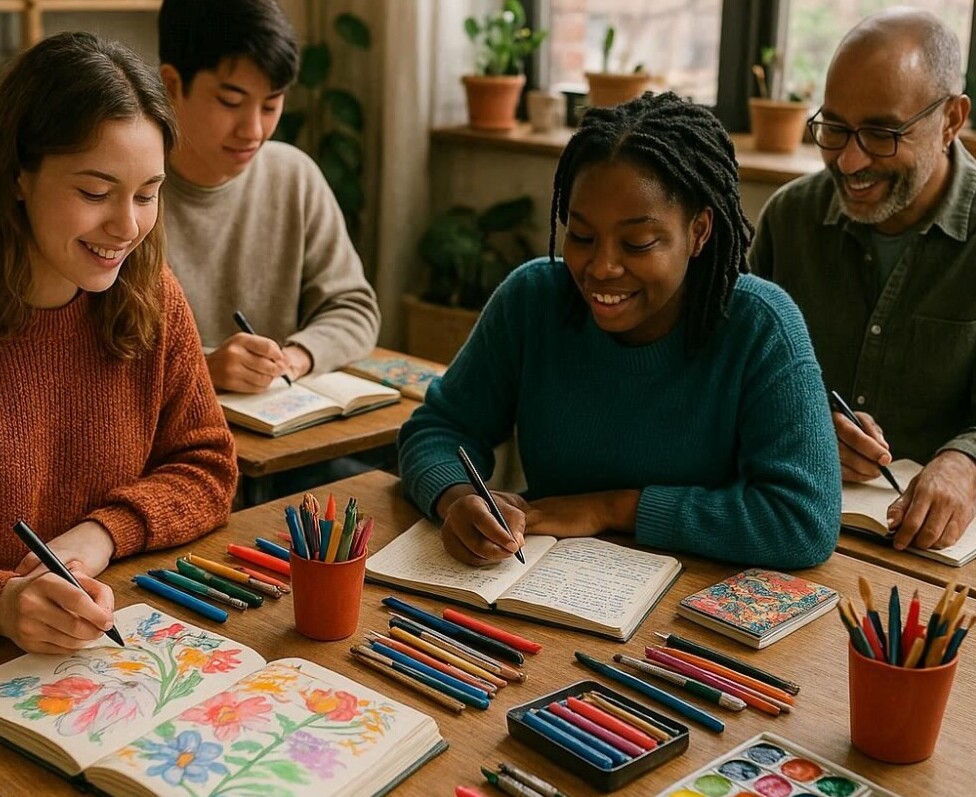
Remember, the key is tuning into your feelings and making the journal a personal zone for playful reflection. Whether you journal in quiet solitude or as part of a group, it is all about you and your creative wellness.
Frequently Asked Questions About Art Journaling for Stress Relief
Here are a few questions I often hear from people who want to try art journaling for stress relief:
Do I need to be good at art or writing?
Not at all. This practice is for everyone, and there are no rules or grades. Your journal is just for you, so it can be as messy, neat, colorful, or simple as you want.
How often should I art journal to notice the benefits?
There is no set schedule. Doing something creative a few times a week—even for just a handful of minutes—can help you handle stress and boost your mood.
Can art journaling replace therapy or other stress relief methods?
No, while it is a really great self-help tool, it shouldn’t take the place of professional help if you need it. Still, it can be a nice thing to add alongside other wellness habits.
What if I have no idea what to write or draw?
Use a prompt, like your current mood, something you appreciate, or even the weather today. Sometimes just starting with a word or shape gets the ideas flowing.
Why Art Journaling for Stress Relief Is Worth Trying
Mixing art and journaling gives you more ways to express yourself and work through stress. Each page acts as an outlet for whatever you are feeling. You don’t need to be an artist or a writer—just be open to being honest and curious with yourself.
The biggest plus is how flexible and personal art journaling is; you can use your journal whenever and however it fits your life. Over time, it becomes a record of growth, creative expression, and stress management that is both fun and truly helpful for dealing with life’s tricky moments.
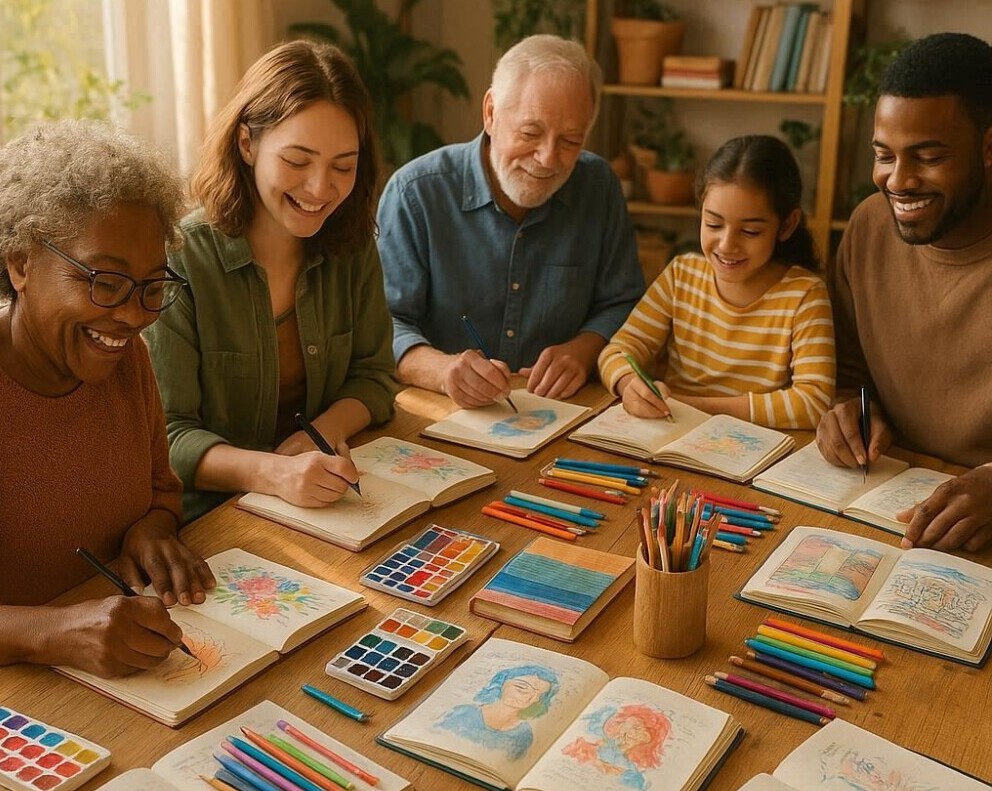
So if you have been looking for a creative, low-pressure way to get some relief from stress, why not give art journaling a shot? All you need is a place to start and the willingness to let your ideas flow, one page at a time. Happy journaling!
Conclusion
A combination of art and journaling is an amazing way to reduce stress. Creative activities are great for our souls, our minds, and our well-being. It is so needed to express our creativity. At that moment, stress and worry just go away.
What do you think about the idea of combining art and journaling for stress relief? Are you ready to try? What do you think about this article? Do you have any advice or suggestions? Please let us know your thoughts and write in the comment section below.
Please leave me a comment below, and please subscribe
If you think this article is useful, please share it.
Thank you! Have a nice day! Until later
Linda Mo
Founder and owner of How To Reduce Stress Naturally