This time, we are going to explore how to create a quick stress relief routine at home. It is important and needed to find your specific way and methods to release stress and make it part of your daily routine so chronic stress cannot creep in.
Stress creeps up on everyone at some point, and having a quick way to unwind at home helps a lot. With just a few simple steps and a bit of practice, creating a stress relief routine can fit into even the busiest schedules. It doesn’t require any fancy equipment. I’ll break down research-backed methods for stress relief that actually work and make them easy to use right where you are.
Understanding Stress and Why Quick Relief Matters
Stress is a normal reaction to tough situations, but living with it consistently can mess with your mood, energy, and even your sleep. According to the American Psychological Association, chronic stress is tied to headaches, high blood pressure, and reduced immune function. Spotting your stress triggers and addressing them early can keep things from snowballing or becoming overwhelming later.
When those tense moments hit, having a routine at home lets you come back to your day feeling calmer and in control. The great part is that some techniques can start working in just a few minutes, giving you relief without a huge time investment.
Best Quick Stress Relief Techniques for Home
Research shows there is no single magic fix, but several methods can be super effective, especially when you blend them to match your needs. Try these out to stumble upon what feels best:
- Deep Breathing: Slowing down your breath tells your body it is okay to relax. Try the 4-7-8 breathing method: in for 4 seconds, hold for 7, exhale for 8, or just focus on taking steady, slow breaths. Even a brief breathing pause can help.
- Progressive Muscle Relaxation (PMR): Tense each muscle group for five seconds, then release. This technique has been shown to help with anxiety and sleep, and therapists often recommend it for managing physical tension. You can use it on your hands, shoulders, jaw, legs, or even your face.
- Simple Mindfulness Practices: Mindfulness isn’t about clearing every thought; it is about noticing how you feel without judging yourself. You can check in while washing dishes, sipping tea, or even staring out a window. A quick body scan—mentally moving your attention from head to toe—can help you reconnect and spot where you’re holding tension.
- Movement or Stretching: Gentle stretching, yoga, or a quick walk around your living space will give a boost to your mood and help you focus quickly, according to Harvard Health Publishing. Raising your arms or reaching for your toes for just a minute can do wonders.
- Music or Sound Therapy: Research from Stanford University shows that music with a slow tempo calms brainwaves. When you need a reset, pop on some lo-fi beats, ambient sounds, or your favorite mellow tunes. Just a few minutes can shift your mood.
- Aromatherapy: Scents like lavender, chamomile, or bergamot have been found to tone down anxiety in several studies. Light a candle, use oil in a diffuser, or make a cup of fragrant herbal tea. Let the aroma wash over you as you relax.
Regularly exploring these techniques helps you determine which ones provide the quickest relief for you. Over time, your favorites might change as your needs switch up, so feel free to mix in some variety to keep your routine fresh.
Step-by-Step: Building Your Quick Home Routine
Combining a few of these techniques creates a solid routine that is easy to tailor. Here is a step-by-step example I use when things feel overwhelming:
- Pause What You Are Doing: For two minutes, set aside your phone, work, or chores. Take a moment to settle in and focus on yourself.
- Practice Deep Breathing: Take slow breaths for 90 seconds. Use any counting method that works for you, or simply breathe in and out slowly while noticing the feeling of your breath.
- Do a Body Scan: Move attention from your feet up to your forehead, relaxing each area for a breath or two. Try to spot any places where you’re holding tightness and let them relax.
- Stretch It Out: Roll your shoulders, stretch your arms, and twist gently. A couple of stretches get blood flowing and help you shake off jitters. Even if you can’t stand up, stretching in your chair counts.
- Get Your Senses Involved: Light a soothing candle, put on mellow music, or cradle a warm mug of tea—choose something comforting both physically and mentally.
This simple process can be completed in about five to ten minutes, and I always feel less tense afterward. What’s great is you can switch up steps or add your own favorites. The goal is to make the routine truly yours, fitting your unique needs and space.
What Makes Home Stress Relief Different?
Home routines feel private, low-pressure, and easier to stick with, which makes them extra effective for a lot of people. You don’t need outside help or fancy gear. Studies show that familiar spaces make calming practices stick better because you already feel more comfortable there.
Mixing your favorite scents, music, and cozy clothes really does make a difference. Research from the Journal of Positive Psychology found that people who created small, positive rituals at home reported higher daily satisfaction and much lower stress than those who did self-care only once in a while.

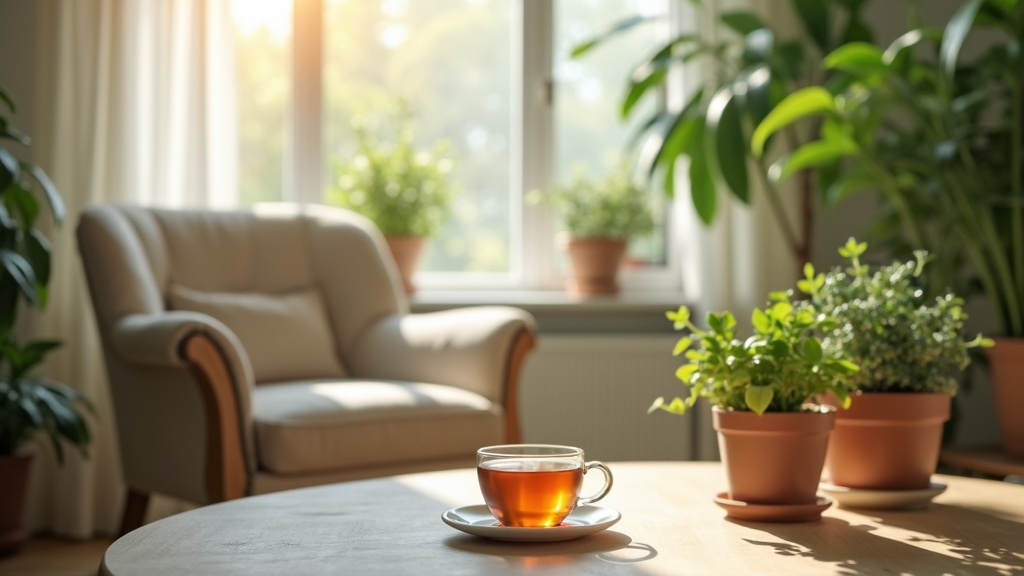
You can also build your environment with stress relief in mind. Setting aside a small corner with soft lighting, pillows, or greenery turns it into your go-to relaxation spot. Even adding a picture that brings you peace or a blanket you love can help you get into the relaxation mindset faster.
Things to Watch Out For While Designing Your Routine
- Trying to Do Too Much at Once: Jumping into an hour-long session right away can quickly lead to burnout. Keep it short and manageable at first; just one or two techniques are plenty.
- Expecting Instant Results: While some methods (like deep breathing) work fast, building a lasting habit takes practice. Be patient and trust the process—even two minutes is a win.
- Ignoring Enjoyment: If a method feels awkward or dull, feel free to skip it. Your routine should make you feel good, or else it will only add to your stress.
- Multitasking: Trying to relax while also checking emails or scrolling social media just doesn’t work. Step away from screens for a few minutes so your mind can rest fully.
Dealing With Common Barriers
A noisy home? Try noise-canceling headphones or play white noise. If privacy is hard to come by, pick the spot where you feel calmest, even if it’s just a cozy chair or a small section of the room. Some people find keeping a “stress relief kit” (earplugs, favorite tea, journal, stress ball) nearby helps drop into a routine quicker—especially during surprise stressful moments.
If your schedule feels packed, add these mini-practices during natural breaks, like after lunch, before bed, or post-shower. Repeating a consistent cue (like lighting the same candle or playing one song) tells your brain it’s time to relax.
Fun Facts and What the Science Says
- Yale researchers found that even two minutes of slow, deep breathing measurably drops heart rate and blood pressure.
- Japanese “forest bathing”—spending time with houseplants or gazing at landscape photos—has been proven to step up mood and lower anxiety. If you can’t get outside, a few minutes with indoor greenery works too.
- Scent links closely to memory and mood. This is why catching a whiff of a certain candle or tea can trigger calm feelings instantly.
- Music lights up the reward centers in your brain, just like hugging someone you care about or eating chocolate. Pick soothing playlists for a fast boost.
Frequently Asked Questions About Quick Stress Relief at Home
What is the fastest way to calm down during a stressful moment?
Slowing your breath usually does the trick. Even three deep, controlled breaths give you a reset, according to the Mayo Clinic. If you have another minute, pair it with a gentle stretch or relaxing scent for even more impact.
How often should I do my stress relief routine?
Consistency helps, but it is your call. Some people find that a five-minute practice every morning or before bed keeps tension down. Others use their routine when they feel stress building. Try different rhythms to track down what works best for your lifestyle.
Are there things I shouldn’t do when I am stressed at home?
Try to steer clear of scrolling through upsetting news, over-caffeinating, or pushing through work nonstop—these often crank up anxiety instead of easing it. It is better to take a break, even briefly, to let your mind and body recharge.
Can I use my phone for stress relief?
Absolutely. Guided relaxation apps and calm music can be super helpful. Just turn off notifications, so you aren’t distracted by beeps or pings. There are free mindfulness and breathing apps, and YouTube is full of calming soundscapes worth checking out.
Benefits You Will Notice With Regular Practice
With regular practice, stress relief routines can lift your focus, patience, and sleep quality. People who stick with quick routines often find they are more resilient and don’t get overwhelmed as easily. If you realize you are tense less often, sleeping better, or just more patient with daily irritations, your routine is doing its job.

Quick stress relief routines won’t eliminate every stressful situation, but they give you some breathing room in your day, which can make all the difference. Small steps add up—keep practicing and watch your day-to-day stress shrink as you get used to your personal routine.
Conclusion
Creating a quick stress relief routine at home is important and essential if you want to deal with stress efficiently. Chronic stress, especially, is bad for our well-being, and it is great to stop that quickly and make sure you are more than capable of dealing with stress when it comes.
Daily routine using the best stress relief methods is an amazing way to be ready for the potential chaos that stress could cause. What do you think about this article? Do you have any advice or suggestions? Please let us know your thoughts and write in the comment section below.
Meditation is one of the greatest tools for stress relief and relaxation. CLICK HERE to learn more.
Please leave me a comment below, and please subscribe
If you think this article is useful, please share it.
Thank you! Have a nice day! Until later
Linda Mo
Founder and owner of How To Reduce Stress Naturally