
Today, we explore how to create a stress-free workspace. Stress is everywhere in our lives, so it is important to make sure you have a workspace that is as stress-free as possible.
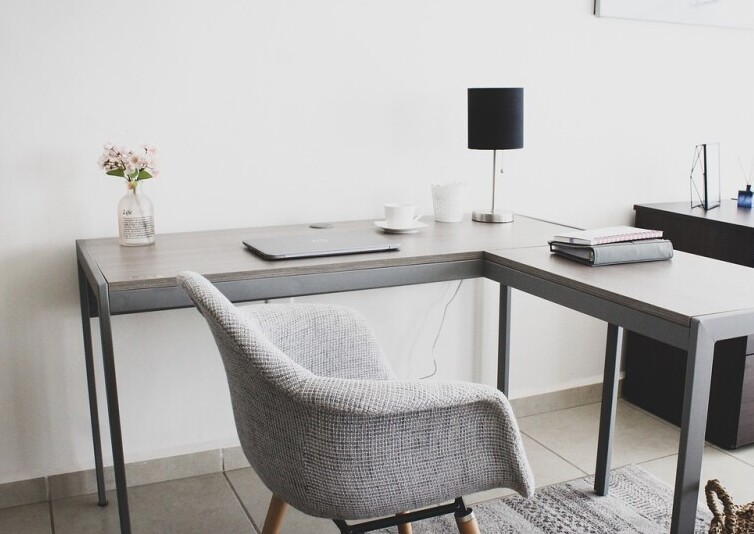
A messy workspace does more than just look bad—it can amp up your stress levels and chip away at your productivity. Picture stacks of papers, tangled wires, and knick-knacks that turn your desk into a disaster zone. This kind of chaos can sneak into your mind, making it harder to focus and get stuff done.
How can it help?
A clean, organized workspace isn’t just eye candy. It actually helps you think clearly and feel more in control. When everything’s in its place, you can find stuff faster, ease up on the constant searching, and cut down on those ‘where did I put that?’ moments. This order can boost your creativity, leaving room for new ideas to pop up without being crushed by clutter.
The work environment can come with its own set of challenges. Loud noises, uncomfortable seating, or poor lighting can mess with your concentration and mood. It is all about spotting these stressors and figuring out how they affect you. Once you have got a handle on what tweaks you need, you can make adjustments that better suit your working styles, like adding noise-cancelling headphones or a desk lamp that doesn’t make your space feel like a gloomy cave.
Embracing Ergonomics: Design a Comfortable Workstation
A comfortable workspace is essential, and it all starts with ergonomics. We are talking about the kind of setup that makes your body happy, even when you are chained to that desk for hours. So what can you do to make it better?
1. Choosing the right chair is key—one with proper lumbar support lets you lean back without straining your spine. Just as crucial is a desk with enough space that doesn’t force you into awkward positions when you type or write.

2. Posture problems? Nip them in the bud by adjusting your chair so that your feet are flat on the ground (psst… use a footrest if needed) and your screen is at eye level. A tiny change like a wrist support can do wonders for preventing the dreaded carpal tunnel syndrome. And if you can stand it—literally—consider a standing desk to mix things up.
3. But every space is different, especially if you are working with a home office setup. Maybe you are squeezing into a corner of your living room, or claiming that nook in the kitchen. Whatever your scenario, think about flexible solutions like adjustable monitor stands or ergonomic keyboards that fit right into your lifestyle. Nothing will work everywhere or for everyone, so it is important to find what gives you comfort.
From Chaos to Order: Practical Tips for Decluttering
Sorting through a messy desk can feel difficult, but turning chaos into order is a total game-changer. Start by categorizing—group similar items together, decide what to keep, what has gotta go, and what needs a new home. Break it down into small bites, tackling one area or drawer at a time to avoid feeling overwhelmed.
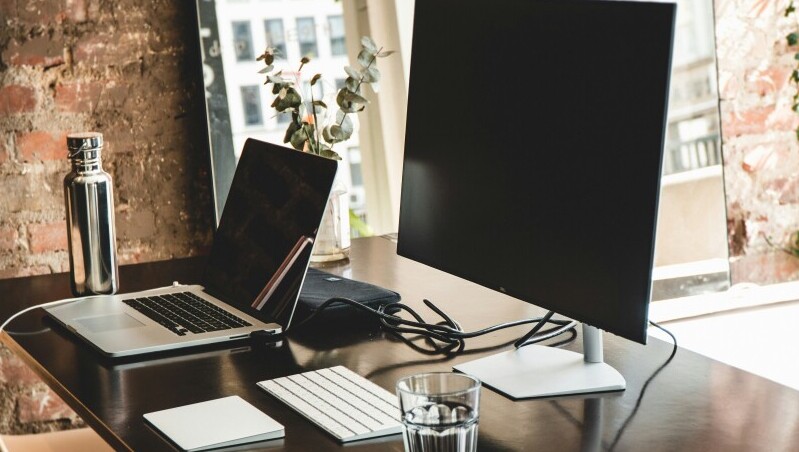
Organizing and personal system
There are a lot of nifty tools and apps to help keep things tidy. Try using digital organizers or to-do apps that keep tasks from falling through the cracks. Digitize documents to cut paper clutter, and use storage bins or trays so everything has a spot.
Creating a personal system is like setting yourself up for long-term success. It is not just about a one-time cleanup; it is about staying organized without it becoming another chore. Maybe it is a 5-minute tidy-up at the end of each day or a weekly sweep through your workspace. When your space is organized consistently, your stress levels stay low too.
Boosting Mental Well-being with Positive Environmental Changes
Sometimes, the little things in your workspace can make a big difference in how you feel and work. Look at these nice tips how you can make your workplace better!
1. Consider bringing in some greenery. Plants aren’t just pretty; they can reduce stress and improve air quality. Even a small succulent can bring a sense of calm and life to your desk.
2. Lighting plays a huge role in setting the mood. Swap out harsh lights for softer ones or position your desk near a window to soak up some natural light. Good lighting can keep you alert and lift your spirits when diving into tasks.
3. Color is another tool you can use to create a vibe that suits you. Soft blues and greens can be calming, while a pop of yellow might inspire creativity. Sometimes, changing up the color palette can refresh your space and motivate you in ways you’d never expect.
Lastly, make it personal. Fill your space with things that mean something to you, like photos or art that you love. Personal touches make your workspace feel like yours, a place where you actually want to be. It is all about crafting an environment that supports you mentally and keeps you in the zone.
Conclusion
As we see, it is important to create a stress-free workspace. It will help you with creativity, new ideas, and you will feel much better in this kind of environment.
What do you think about these ideas about creating a stress-free workspace? What do you think about this article? Do you have any advice or suggestions? Please let us know your thoughts and write in the comment section below.
If you want to learn more about meditation. CLICK HERE to find out more.
I would like to hear from you, so please leave me a comment below to let me know if this article helped you.
If you want to know more about ways you can manage stress, please subscribe to this blog, and you will receive a notification when a new post is published.
If you think this article is useful, please share it.
Thank you! Have a nice day! Until later
Linda Mo
Founder and owner of How To Reduce Stress Naturally