
We all live lives with daily stress, and sometimes the stress is too much and becomes chronic. Letting go of stress at some point and relaxing is important for our well-being, our mental health, and more. Drinking herbal tea can become your evening relaxation ritual. So today we are going to talk about what to look for when choosing herbal tea for relaxation.
Searching for the best herbal tea brands for relaxation turns up a lot of calming packaging and very little information. Two boxes that both say “chamomile” can taste and feel different, because the cup depends on what is in the bag and how much of it.
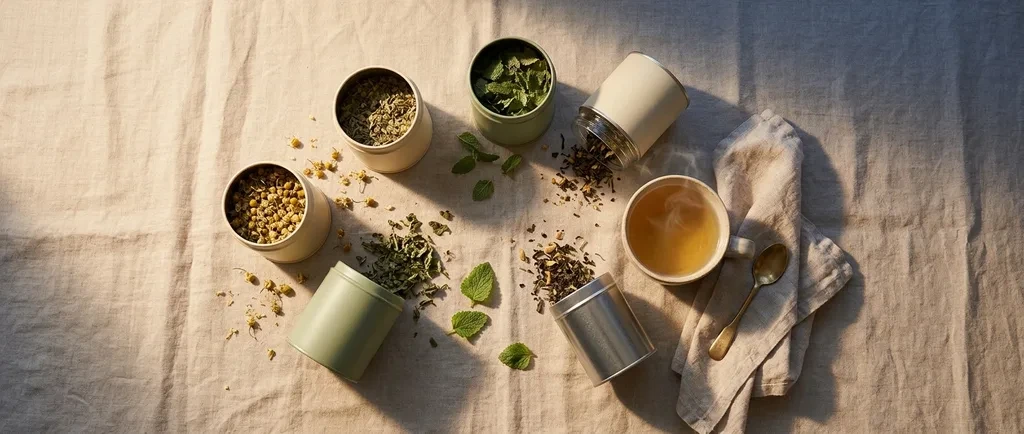
Why two chamomile teas can differ so much in the cup
Chamomile flowers vary with growing region, harvest timing, drying, and storage. Some bags hold whole flower heads. Others hold fine dust and stems, which brew weaker and taste flatter. A bag filled with a small amount of herb and a large amount of flavoring will also taste like the flavoring, not the plant.
Which herbs help you wind down is covered in our guide to the best bedtime teas. This piece is about judging the brand once you know the herb you want.
The five-point scorecard: purity, testing, sourcing, herb amount, flavor
Give each point a yes, a partial, or “not disclosed”. Do not turn a missing answer into a yes.
- Purity: The ingredient list names each herb and nothing else you did not expect. A short list is a good sign.
- Testing: The brand publishes lab results or says an independent lab tests for pesticides and heavy metals. A recognised organic certification, such as USDA Organic, is a separate claim you can verify with the certifier.
- Sourcing: The brand says where the herbs are grown, not only where the tea is packed.
- Herb amount: The box lists net weight and bag count, so you can divide to get grams of herb per bag. Heavier bags of the same herb give you more plant material.
- Flavor: You can taste the herb you paid for, and you finish the cup without needing sweetener to cover it.
How to read a tea box: what “natural flavors” and “proprietary blend” really tell you
In the US, ingredients on food labels are listed in descending order by weight. If the herb you want sits fourth, there is less of it than the three ahead of it.
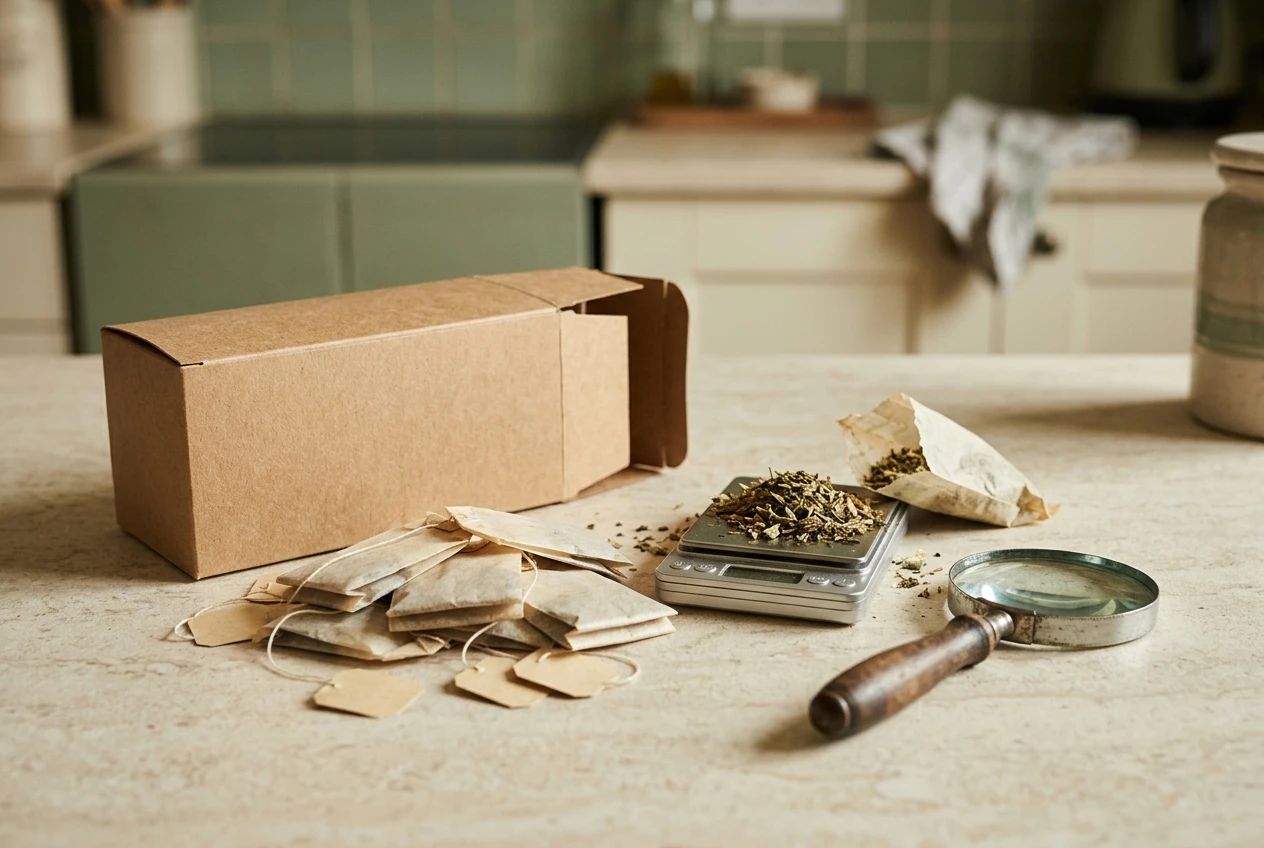
“Natural flavors” means the flavoring came from a plant or animal source. The label does not say which source or how much. In a relaxation tea, it can make a weak herb taste stronger without adding any herb.
“Proprietary blend” gives a total weight for the mix but not the amount of each herb. You cannot tell whether the calming herb on the front is the main ingredient or a pinch. A brand that lists each herb with its amount, or at least lists the herbs in a clear order, is telling you more.
Brands that score well on transparency and what each does best
Brand pages change. Testing reports get updated, sourcing details are added or removed, and recipes shift. A brand list written today could be wrong by next season, and a certification credited to the wrong company is worse than no list. For that reason, run each brand through the scorecard against its own website and its current box.
The brands that score well tend to share these habits:
- A page that names the growing regions for each herb.
- Downloadable lab results, or a plain statement of what is tested and by whom.
- Single-herb teas with one ingredient on the label.
- Net weight and bag count printed on the box.
A brand strong on testing but plain in flavor is a good choice if purity matters most to you. A brand with excellent flavor but little sourcing detail suits you if you drink the tea mainly for the ritual.
Brands that look calming but disclose very little
Soft colors, moon graphics, and words like “serenity” or “dream” carry no information about the contents. Watch for these signs:
- Vague phrases such as “premium herbs” or “carefully sourced” with no places or lab details.
- A proprietary blend with no breakdown.
- “Natural flavors” listed before the herb you are buying the tea for.
- Testing claims with no named lab or report.
Mark each of these “not disclosed” on your scorecard. It does not prove the tea is bad, only that you cannot check it.
Looking for Your Next Favorite Herbal Tea?
Ready to make herbal tea part of your evening relaxation ritual? Explore a selection of herbal teas and discover flavors that might become your new favorites.
[Explore Herbal Tea Options Here]
Match the brand to your evening: sleepless, wired, or just tense
If you are sleepless, choose a caffeine-free single-herb or simple blend and put the strongest herb amount first. Steep it covered for the full time on the box.
If you are wired, a milder, pleasant-tasting tea you will sit down and sip works better than a strong one you tolerate. Flavor decides whether you keep the habit.
If you are just tense, a warm cup with a short ingredient list is enough. If poor sleep keeps returning, see our piece on stress-induced sleep problems.
Safety checks before you make it a nightly habit
Herbs are active plants. Before drinking one every night:
- Medications: Ask a pharmacist or doctor if you take sedatives, blood thinners, antidepressants, or anything else that affects the nervous system. Some herbs interact with drugs, and St. John’s wort is a well-known example.
- Pregnancy and breastfeeding: Not every herbal tea is considered suitable. Check each herb in the blend with your doctor or midwife first.
- Allergies: Chamomile belongs to the daisy family, so people allergic to ragweed or related plants should be careful.
- Persistent symptoms: If anxiety or sleeplessness continues for weeks, tea is not a substitute for medical advice.
Your 10-minute brand check for any tea you find next
- Read the ingredient list and note the order of the herbs (1 minute).
- Find net weight and bag count, then divide to get grams per bag (1 minute).
- Search the brand’s website for testing, sourcing, and certification pages (5 minutes).
- Verify any certification on the certifier’s own site (2 minutes).
- Score the five points, writing “not disclosed” wherever the answer is missing (1 minute).
Buy the tea with the most yes answers, then judge it by taste over a week of evenings.
Final Thoughts: Finding Your Perfect Evening Tea
Choosing an herbal tea for evening relaxation doesn’t have to be complicated. While attractive packaging and calming brand names might catch your attention, the real value lies in the ingredients, quality, flavor, and transparency of the brand.
Take a moment to check the ingredient list, look for reliable information about sourcing and testing, and choose a tea that suits your taste and evening routine. Whether you prefer the gentle floral flavor of chamomile or a comforting blend of herbs, the best choice is one you enjoy drinking regularly.
Remember, creating a relaxing evening ritual isn’t just about what is in your cup. It is also about slowing down, stepping away from daily distractions, and giving yourself a few peaceful moments to unwind.
Herbal tea can be a lovely addition to your stress-relief routine, although it isn’t a cure for chronic stress or sleep problems. If you take medication or have concerns about particular herbs, check with your healthcare professional before making herbal tea a daily habit.
Which herbal tea do you enjoy most in the evening? Share your favorite in the comments — your recommendation might help someone else discover a new way to relax!
Take care of yourself, and remember that small steps toward better sleep can make a difference.
With care,
Linda Mo
Founder and owner of How To Reduce Stress Naturally