Creative activities, including painting is great way to relax and take your mind off the stress. Painting maybe cannot be for everyone, but it is a seemingly great concept. Nobody needs to be some kind of artist to benefit from painting as a stress-relief creative activity.
Today we explore a step-by-step guide to a therapeutic painting session and see what we can do to make painting part of your stress-relief routine. So let’s find out more!
As an Amazon Associate, I earn from qualifying purchases
Therapeutic painting is one of my favorite ways to relax, reset, and ease up after a busy or overwhelming day. There is something super soothing about letting colors flow on a canvas or paper with no real pressure to make a masterpiece. It is not about talent or technique. It is just about making time for yourself and being in the moment.
Whether I am feeling anxious, needing a break from tech, or simply wanting to wind down, painting helps me pause and reset. If you have ever wondered how to get started with a therapeutic painting session, or you are curious about how it might help you manage everyday stress, you are in the right spot. This all-in-one guide breaks down the process step by step and makes it easy for anyone—even total beginners—to tap into the relaxing power of painting. Either way, just keep in mind you don’t need to be a professional painter or artist, we talking about painting as therapy for stress relief and relaxation.
Step 1: Set Your Intention and Create the Right Space
When I start a therapeutic painting session, I make sure my space feels welcoming and peaceful. This sets the tone for the whole experience. Choosing a simple intention is helpful. For example, I might aim to relax, express feelings, or just enjoy some creative time. A clear intention, big or small, helps guide the process.
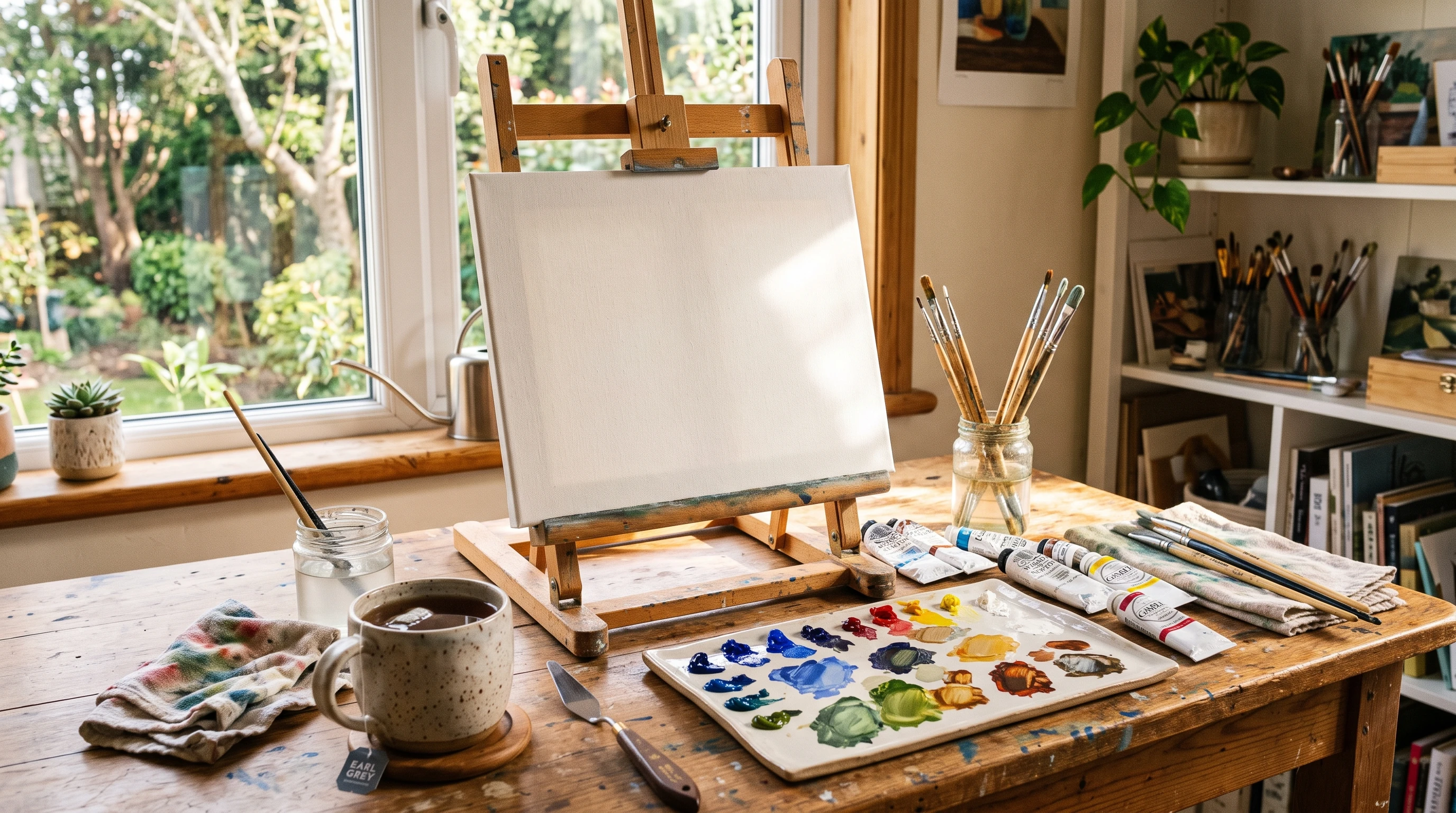
- Find a comfortable spot with good lighting. This could be your kitchen table, a desk, or a cozy corner near a window.
- Put away distractions. I usually silence my phone, close tabs on my computer, and give myself permission to be present for at least 30 minutes.
- Gather any favorite items: a calming candle, soft music, or a cup of tea can help set a relaxing mood.
A tidy and intentional space goes a long way in making painting feel inviting, especially if you are hoping to use it as a form of stress relief.
Step 2: Gather Your Materials (No Fancy Supplies Needed)
You won’t need an art store haul to get started. Basic supplies do the trick. Even if you don’t have paint at home, there is always a way to improvise.
- Paper or canvas—anything from printer paper to a cheap sketchpad works.
- Acrylic, watercolor, or even kids’ tempera paints. If you don’t have paint, colored pencils, crayons, or markers are great too.
- Brushes, or even an old toothbrush, cotton swabs, kitchen sponges, or your fingers can be used for fun effects.
- A cup of water (for cleaning brushes), a paper towel or old rag, and a plate or palette for mixing colors.
If you want to keep things super simple, you can use a single color and just focus on shapes or patterns. There is absolutely no right or wrong way to gather your materials. Sometimes the process of using unconventional tools makes the session even more relaxing. Don’t worry about what you “should” have—work with what is available.
If you don’t already have brushes, a small beginner brush set can be an inexpensive way to get started. You don’t need a large professional collection — just a few different shapes and sizes.
Step 3: Choose an Approach That Feels Good
Your painting session doesn’t need a plan, but having a general idea of how you would like to begin can make it less intimidating. Here are a few low-pressure ways I like to get started:
- Free Painting: Put color on the paper with no rules. Let your brush wander, switch up colors, and just enjoy the motion.
- Color Blocks: Pick two or three colors you are drawn to and fill the page with overlapping patches or swirls. This is really calming and keeps things abstract.
- Emotional Expression: Sometimes I paint what a feeling might look like—using sharp shapes for frustration, or gentle circular shapes for calm.
- Nature Inspired: Start with a simple scene: a sunset, a forest, or just lines and dabs to represent leaves or water.
There is no pressure to make it look like anything. The goal is to enjoy the process. If you get stuck, I find it helps to close my eyes and make a few gentle marks. Sometimes the most relaxing paintings are totally abstract. Every color or stroke is valid and unique to your mood or moment. It is all about letting creativity take the lead and enjoying the act of painting, no matter what shows up on your canvas or paper.
Step 4: Embrace The Experience. Focus on the Process, Not Perfection
Pushing aside any expectation is really important when painting for therapy. I remind myself it is not about the end product, but what painting helps me feel right now. A few ways I stay present during this step:
- Notice the way the brush feels in your hand, the sound of bristles on paper, or how two colors blend together. These small details are oddly grounding.
- If your mind starts to wander to worries or “what should I make,” just come back to the paint or your intention.
- Breathe deeply. Sometimes I paint to the beat of calming music or let my exhale guide the motion of my brush.
This is the heart of a therapeutic painting session. The focus on the moment is where the real relaxation kicks in. Remember, the process itself is worthwhile. Even if it takes a few tries to quiet your inner critic, sticking with it can lead to a sense of relief and renewal.
Step 5: Notice How You Feel. Painting for Stress Relief and Relaxation
I use therapeutic painting mainly as a tool to unwind. If you are exploring painting to relieve stress, here is what I notice and recommend paying attention to:
- My mind gets quieter as I focus on colors and shapes instead of daily worries.
- Rhythmic, repetitive motions (like painting stripes or circles) can help soothe racing thoughts.
- If I am feeling tense, I try painting quickly for a minute or two, then slowing down, noticing if my body relaxes as I go.
- Sometimes expressing what I am feeling (even if messy or dark) helps me process what is going on, and I finish the session feeling lighter.
Research suggests that making art may help reduce stress and improve aspects of emotional well-being. Some studies have also found changes in cortisol after creative activities, although results vary depending on the type of activity and study design. Many people stumble upon even more ways art can help them feel balanced the more they practice.
Step 6: Finish Gently and Reflect If You Would Like
I know it is tempting to pick apart whatever I have created, but finishing a session with kindness is really important. Here is what works for me:
- Step back and just look at your painting for a minute. Notice how you feel, what jumps out, or even what parts surprise you.
- If you would like, write down a few words about your experience. Sometimes I write a sentence about what I noticed, whether my mind felt calmer, if I enjoyed the colors, or if anything unexpected happened.
- Let your painting dry somewhere visible as proof that you dedicated time to self-care. I like putting new pieces on the fridge or above my desk for a little reminder. Sharing your painting with a friend or family member can be rewarding, too, if you feel comfortable.
You don’t need to do a formal reflection every time, but checking in with yourself is a nice way to close the session. Over time, you may spot new things about your moods or responses to creating art, which can add even more meaning to the process.
Tips for Making Therapeutic Painting a Regular Part of Your Routine
- Block out a regular 20- to 30-minute window; it doesn’t matter when you need a reset. Setting up a schedule can give a boost to consistency.
- Keep your supplies handy so you can jump in easily, even if you only have 10 minutes.
- Invite a friend or family member to join if you like. Group painting can be relaxing, too, even online.
- Try painting along to audio meditations or nature sounds for an extra relaxing vibe.
- If you ever feel stuck, switch things up by using new tools, painting outside, or setting a timer to “let it rip” in a short session. The key is making painting a low-pressure, welcoming part of your self-care.
Consistency isn’t about doing it perfectly each time. It is about making space for yourself as often as you can and learning to look forward to the experience as something that is yours.
Common Questions & Troubleshooting
I’m not an artist. Will this work for me?
You don’t need any experience or skills at all. Some of the most relaxing sessions I have had were just moving color around freely. The process of painting is what helps with stress, not the finished piece. Anyone can make this a helpful, restorative habit.
What if I feel critical about what I made?
- Remind yourself that this is for you, not anyone else. If self-judgment pops up, gently turn your attention back to enjoying the painting process, even if it is only for a few seconds at a time.
- Sometimes it helps to paint over what you made or turn the page and start fresh. There is always another session; no need to save every creation unless you want to. You might be surprised how a second or third attempt feels different!
I get stuck not knowing where to start. Any quick prompts?
- Pick a favorite color and fill the page with it, adding shapes or doodles as you go.
- Try painting to a mood; think “calm,” “energetic,” or simply “curious.”
- Splash paint across the page, then use a brush or your finger to turn it into patterns.
- Listen to a song you love, then try to paint the shapes or colors it brings to mind. Artistic inspiration can come from anywhere.
It is totally normal to feel blocked at first. Low-pressure prompts and a little patience can go a long way, especially as you get a feel for what works for you. Over time, you will make the process your own and likely find unique ways therapeutic painting can support your mental health and routine.
Conclusion
Painting, like other creative activities, can be a great way to relax and also can be great therapy for any life situation. This step-by-step guide can be really helpful if you want to try and do painting as a way to relax and potentially say goodbye to chronic stress in your life.
Therapeutic painting is really about giving yourself permission to unplug and recharge, whether you are using it to cope with stress, express emotions, or just enjoy the act of creating. Over time, you will start to notice what helps you relax, which styles you enjoy, and maybe even new ways to use color and form to support your well-being. The key is being kind to yourself and letting each session be a judgment-free zone, focused on self-care and gentle exploration.
Here is an Easy Action Plan:
- Pick a time and spot for a painting session this week. No pressure for perfection, just the chance to try something new.
- Gather simple materials: paper, any kind of paint or color, and something to make marks with.
- Set an intention to focus on the process, not the outcome. Enjoy even a short session and notice how it feels. You might be surprised by what you stumble upon!
Have you tried painting to relax or tone down stress? Share your favorite painting tips or any breakthroughs you have had in a therapeutic painting session below. You might inspire someone else who is searching for a gentle way to unwind.
What do you think about this article? Do you have any advice or suggestions? Please let us know your thoughts and write in the comment section below.
I use brushes too, and here is the kind of simple set I would recommend
Looking for more creative ways to relax? Painting is just one possibility. You can also explore other creative activities that may help you step away from everyday stress and give your mind something enjoyable to focus on. Read more about creative activities for stress relief.
I would like to hear from you, so please leave me a comment below to let me know if this article helped you.
If you want to know more about ways you can manage stress, please subscribe to this blog.
If you think this article is helpful, please share it.
Thank you! Have a nice day!
Until later
Linda Mo,
Founder and owner of How To Reduce Stress Naturally
Linda, thanks for laying out such a welcoming, no-pressure path into therapeutic painting. As a musician, I have found that matching color and brush movement to a favorite song can create a similar reset to playing music, because the attention shifts from daily noise to rhythm, texture, and mood. I also think keeping a few basic supplies within reach makes the practice far more likely to happen on a busy day.
The emphasis on process over a polished result is the real sweet spot, especially for beginners who may bring perfectionism into creative time (I feel seen). Have you found that certain color palettes or painting prompts work especially well when someone feels anxious versus simply mentally overloaded?
Hey, Aly! Nice to hear you find it helpful and that it seems familiar when playing the music. For me, the blue and green colors seem to be the most calming and enjoyable
usually I don’t use red or yellow there. Mostly I like to play with green and blue.