Gardening is one of the hobbies for stress relief, and today we are going to talk about it. Only a few years ago, I discovered that I like a bit of gardening, and it became an amazing hobby that can help us let go of worries and stress and enjoy the amazing weather in summer. Let’s see more about it!
Gardening brings together fresh air, a little light exercise, and even some unexpected moments of joy. No matter your age, skill, or the size of your space, getting your hands in the dirt is a pretty handy way to lift your mood and step away from everyday stress for a bit. I have found that nurturing plants isn’t just about making things look green. It is a whole experience that improves mental well-being. Grab a trowel and follow along as I share what makes gardening such a relaxing and rewarding hobby anyone can enjoy.
As an Amazon Associate, I earn from qualifying purchases
The Relaxing Benefits of Gardening for Your Mind
Spending time in the garden can do more for you than just give your home curb appeal. Gardening gently encourages you to slow down, focus on the present, and enjoy simple everyday victories, such as a new bud or the scent of freshly turned earth. There is real science behind why being around plants and spending time outside helps you chill out. Studies show people who garden regularly tend to report lower stress, boosted mood, and even improved focus. Gardening is great for mental health, as studies show. It makes sense; nature has a way of dialing down anxiety and making you feel calmer.
After a tough day, just ten minutes in the yard pulling weeds or patting down soil can ease tension way better than scrolling on your phone. Mindful tasks like watering, planting seeds, or deadheading flowers keep your thoughts in the here and now, which is super helpful for anyone trying to manage stress or anxious thoughts. Plus, watching something grow because of your care feels pretty satisfying. You are making a tiny, positive impact with each little task completed; it doesn’t matter if it is tidying up a flower bed or seeing those first green shoots appear.
Being outside with plants also exposes you to fresh air and, if you are lucky, some sunlight. These elements can help improve your overall well-being, offering a simple way to break up your routine and give your body and mind a boost. Gardening is a stress reliever and a natural mood booster all in one. Over time, you might find that your garden becomes a personal retreat when you need to recharge.
Getting Started: Simple Steps for New Gardeners
Trying gardening for the first time doesn’t need to feel overwhelming. You truly don’t need acres of land, expensive gear, or hours to spare. A small balcony, sunny windowsill, or a single raised bed is plenty of space to get started and reap the benefits.
- Pick the Right Spot: Choose someplace with good light. Most plants love at least 6 hours of sunshine each day. Even indoors, a bright window works for herbs and some veggies.
- Start Small: Try pots or small planters first. Herbs like basil, mint, or chives are super easy and quick to grow. Cherry tomatoes or salad greens fit nicely in containers.
- Use Quality Soil: A bag of potting mix gives your plants a healthy head start; don’t just scoop up dirt from your yard unless you know it is plant-friendly.
- Water Wisely: Most new gardeners tend to overdo it. Plants usually like only a good soak when the top layer feels dry. Root rot from soggy soil is a common rookie mistake.
- Don’t Stress About Mistakes: Some plants are going to wilt or not sprout at all. That is okay! Each season, you will learn a little more, and gardening is all about experimenting.
In addition to these tips, remember that patience is your greatest tool. Seeds and starter plants won’t transform overnight. You will get to watch small changes each day, and that process itself is incredibly rewarding.
A Beginner’s Guide to Gardening Gear
Gardening needs just a few tools at the start, and most are pretty affordable. Skip the fancy gadgets; here is what I keep handy for even the smallest backyard or patio projects:
- Trowel: It is your go-to for digging holes, scooping soil, and planting bulbs.
- Hand Fork: Use it for loosening soil and pulling up stubborn weeds.
- Watering Can or Spray Bottle: A simple can is great for outdoor beds, and a spray bottle is perfect for indoor seeds and delicate plants.
- Gloves: Protect your hands and keep dirt from getting under your nails. Go for comfy, washable ones.
- Pruners: Sharp pruners make it easier to trim small branches or tidy up flowers.
Do you need some tools for gardening? CLICK HERE to get
You can always add more tools over time, but these basics are enough for most small projects. If you have only a few plants, just a trowel and a watering can are plenty to get started. For bigger projects later, you might want to add a bucket, rake, or garden kneeler.
Choosing Plants: Easygoing Options for Stress-Free Success
Picking out what to grow might be the most fun part for lots of people. For beginners, I always recommend starting with forgiving, fast-growing, or low-maintenance plants. They keep the experience beginner-friendly and low-pressure.
- Herbs: Basil, thyme, oregano, parsley, and mint are quick to sprout and don’t mind being snipped often for cooking. Mint, especially, is tough to kill; just keep it in a pot since it spreads like crazy in the ground.
- Salad Greens: Lettuce, arugula, and spinach are fast growers that don’t need deep soil. You can start harvesting leaves after just a few weeks.
- Radishes and Carrots: Little root veggies like radishes pop up easily and don’t ask for much attention. They are perfect for involving kids in gardening, too.
- Succulents: If you have only got indoor space, succulents are super forgiving. Skip them if you like frequent watering, though. These plants thrive on neglect.
- Native Flowers: Ask at your local garden center for flowers that are native to your region. They require less water, are adapted to your climate, and attract local pollinators like bees and butterflies.
If you are hoping to see blooms, sunflowers and marigolds are other good starters. They are simple to grow from seed, and it is easy to spot their progress.
Overcoming Common Gardening Challenges
Even the best garden has unexpected hiccups now and then, so don’t let setbacks take the fun out of it. Here are a few common hurdles new gardeners might face, along with tips to keep things stress-free:
- Pests: Aphids, slugs, or other bugs show up from time to time. My go-to is to pick them off by hand or try a mild soap spray before reaching for any chemicals.
- Overwatering or Underwatering: Stick your finger into the soil. If it feels damp an inch down, it can wait to be watered. Overwatering is a really common slip-up, especially for potted plants.
- Plants Not Sprouting: Sometimes seeds are old, or you might not have buried them at the right depth. Try another round, or ask at your garden center for tips on that specific plant.
- Space Issues: Tight on room? Vertical planters, window boxes, and hanging baskets let you grow lots of plants without a big footprint.
Dealing With Tough Weather
The weather can be unpredictable, but there are small ways to prepare. If you are facing a heatwave, mulch keeps roots cool and moist. During cold snaps, old sheets or plant covers help protect tender plants from frost. Learning to adapt is part of the gardening adventure. If you are in a dry climate, consider drought-tolerant plants and water-saving techniques like collecting rainwater.
Gardening in Apartments or Small Spaces
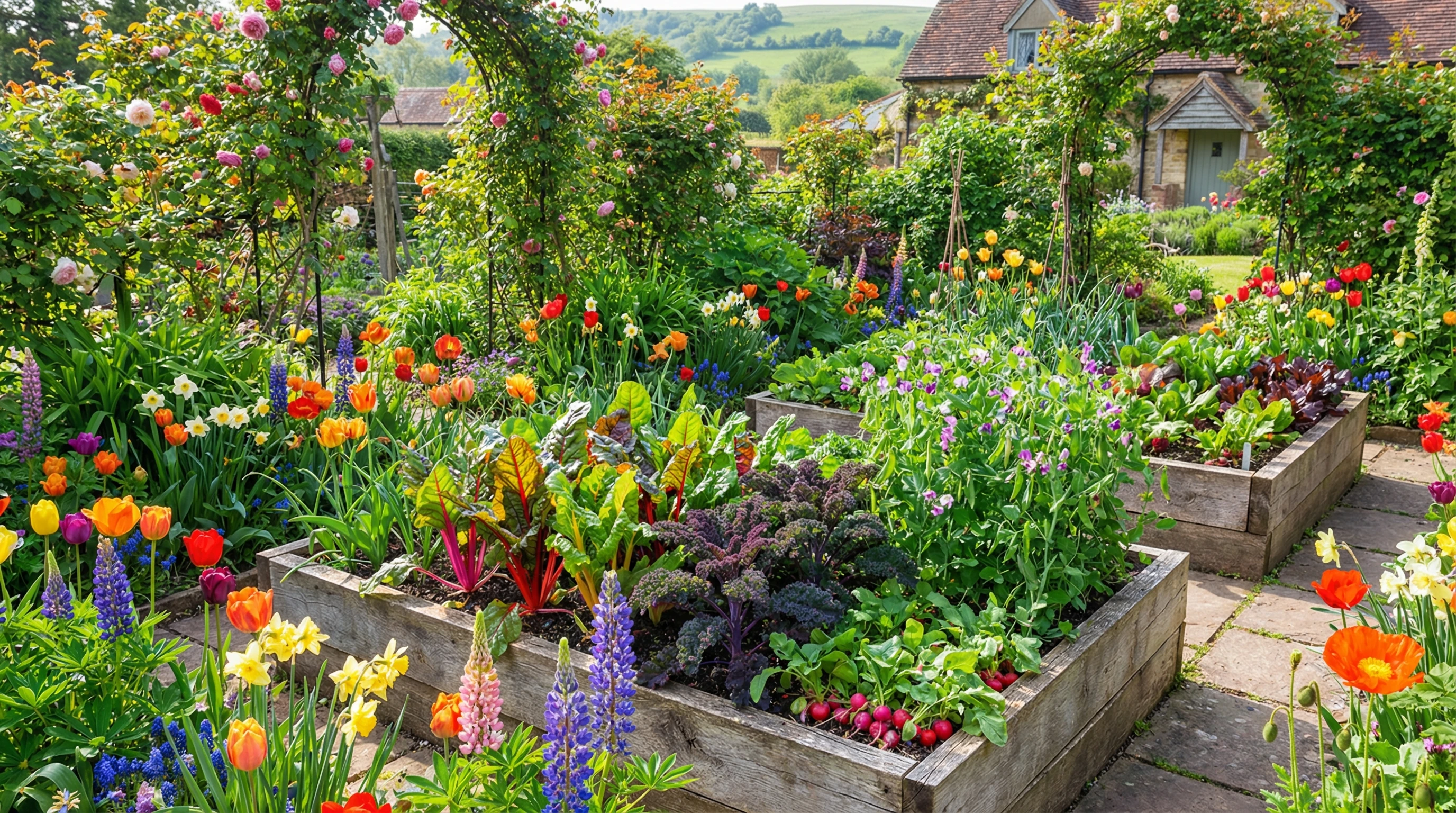
Lack of outdoor space doesn’t need to hold you back. I have seen plenty of thriving windowsill herb gardens and even leafy balconies on top floors. Raised beds or container gardens are perfect for small patios. You can even try hydroponic kits if you’re curious about something a little high-tech.
Apartment dwellers might find success with:
- Hanging planters or baskets for trailing plants.
- Grow lights for areas with limited sunshine.
- Wall-mounted vertical planters to save counter space.
If you are new to gardening in tight spaces, start with a couple of easy plants and build from there. A few pots of greens or a window box with flowers can bring nature indoors and brighten up any space.
How Gardening Builds Community and Connection
One thing that keeps me coming back to my own garden is how it helps me feel connected—to nature and to neighbors, too. There is something really nice about swapping seeds or sharing extra zucchini with friends or people down the street. Community gardens are a perfect place to learn, lend a hand, and make new friends, especially if you are new to gardening or don’t have much space at home.
Across the world, neighborhood gardening groups bring together people of all ages to grow food and flowers, share knowledge, and unwind together. If you are interested, check your town’s website or social media for community gardening clubs, seed swaps, or local volunteer days. You don’t have to go it alone; it can be a lot of fun to swap stories with others facing the same gardening challenges as you.
Getting involved in a group or even joining online plant forums can open up a treasure trove of advice and encouragement. You will find people happy to share cuttings, offer troubleshooting tips, and celebrate each other’s garden milestones. The sense of accomplishment, camaraderie, and connection with others is just another gift that gardening brings.
Frequently Asked Questions About Gardening as a Relaxing Hobby
Q: Do I need a green thumb to garden?
Not at all! Most people learn by trying, and yes, by making a few mistakes. Start with easy plants, and you will be surprised by how you improve each season.
Q: When is the best time to start gardening?
Spring is usually the favorite season to start, but you can grow certain plants indoors any time of year. Herbs, lettuce, or even microgreens work well in winter on a sunny windowsill.
Q: What if I don’t have a backyard?
No backyard needed. Balconies, patios, windowsills, and even kitchen counters can support a lush and productive minigarden. There are lots of compact options for urban and apartment dwellers.
Q: Is gardening expensive to start?
It doesn’t have to be. Basic supplies like pots, seeds, and soil don’t cost much. Many gardeners repurpose containers, start with cuttings from friends, or grow seeds from grocery store produce. Community gardens sometimes offer tools and mulch for shared use, which saves money, too.
Gardening As Self-Care: More Than Just Growing Plants
Growing a garden is about so much more than just keeping plants alive or harvesting a few tomatoes. The routine—digging, planting, watering, spotting new flowers—offers a break from screens and an easy way to stay active. It doesn’t matter if you are out in a yard or tending to houseplants indoors; the process gives you something to look forward to and a way to slow down. Even fifteen minutes in the garden can be a real mood boost.
I often find the effects stick with me. The satisfaction of nurturing a little patch of green, the chance to work through thoughts with my hands in the dirt, or simply having something eye-catching to look at after a tough week—these are the real rewards. So if you are searching for a hobby that is good for your mind, body, and maybe even your dinner plate, gardening is definitely worth a try. Happy planting!
Final Thoughts
Gardening is an amazing hobby that can help you with stress relief and your well-being. When I started gardening and recreating my garden with new flowers, new roses, I started to feel happier, more satisfied. It is like new energy came to me, and I went home smiling.
I would advise you try gardening if it is possible for you. Surely gardening is not for everyone. I was thinking it was not for me, until I found new peace and happiness in the garden, which is like a legacy from my grandparents. Try gardening if you can and see if it works for you.
What do you think about this article? Do you have any advice or suggestions? Please let us know your thoughts and write in the comment section below.
Do you need some tools for gardening? CLICK HERE to get it
Are you looking for more posts about gardening for mental health and stress relief? CLICK HERE to read more
Meditation is always a great way for stress relief. CLICK HERE to learn more about it
I would like to hear from you, so please leave me a comment below to let me know if this article helped you.
If you want to know more about ways you can manage stress, please subscribe to this blog.
If you think this article is helpful, please share it.
Thank you! Have a nice day! Until later
Linda Mo
Founder and owner of How To Reduce Stress Naturally