
Drinking tea is great for stress relief and relaxation, so today we are going to look at the top 10 teas that can help us in that regard. This activity can give us relaxing time, help us stay in the present moment, let go of stress, and also drinking tea has additional health benefits.
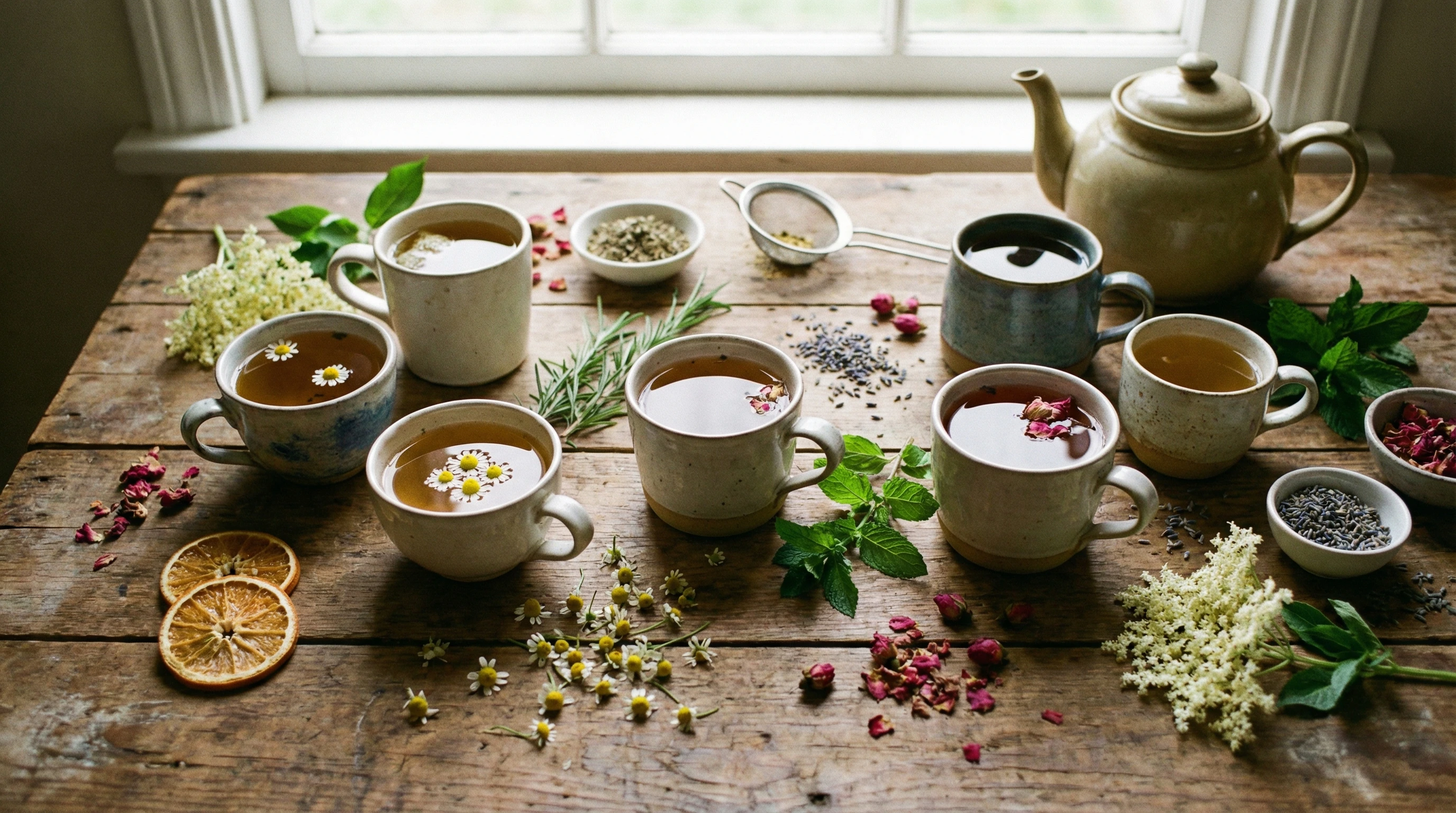
Finding a sense of calm can be tough with busy schedules, nonstop notifications, and life’s daily pressures. It is easy to feel wound up or overwhelmed. If that hits home, you are definitely not alone. Over the years, I have found that a cozy cup of tea brings simple, real comfort to even the busiest days. This small ritual has often helped me shift my focus and reconnect with the present moment, making it much easier to let go of stress.
Many teas contain natural compounds that help you take it easy, from gentle herbs that relax your mind to time-tested blends that settle your nerves. Sipping these teas isn’t just about the flavors, either. It is a routine that signals your brain to slow down, breathe, and reset for a bit. Plus, enjoying tea gives you a chance to pause and reflect—something we all need more of in our day-to-day lives.
Here are my favorite 10 teas for stress relief and relaxation, with handy tips on what makes each one special and how to get the most from your tea time. Maybe you are a longtime tea drinker or just getting started, there is something here that can fit your vibe and routine. Let’s dig in and see how these teas can give a boost to your daily peace of mind.
1. Chamomile Tea: Classic Calming Comfort
Chamomile tea is my go-to when I need to unwind. It is made from dried chamomile flowers and has a gentle, almost apple-like sweetness. This herbal tea contains apigenin, a natural compound that helps calm your nervous system. Studies link it to better sleep and less anxiety, making it a great pick before bed or after a stressful day. For centuries, people have turned to chamomile for easing mild aches and supporting restful nights, making it one of the most popular herbal teas worldwide.
If you want to get Chamomile tea, CLICK HERE to get it
How to Enjoy Chamomile Tea
- Steep for 5 minutes in hot water (not boiling) to avoid bitterness.
- Add a touch of honey if you want extra sweetness.
- Perfect for nighttime or a midday mental break.
If you would like to mix things up, blend chamomile with touches of lavender or lemon balm to customize your own calming blend.
2. Peppermint Tea: Invigorating and Relaxing
Peppermint has a fresh, cooling taste that clears your head and soothes stress. Menthol, the main oil in peppermint, helps relax your muscles and promotes deeper breathing. I tend to reach for peppermint when I am feeling tense or after a heavy meal. It hits both comfort and digestion at once. Nana mint, a sweeter type of peppermint, is especially nice for easing tension in the evening without being too strong.
Are you looking for peppermint tea? CLICK HERE to get it
Why It Works for Stress Relief
- Menthol helps calm headaches and relax tense shoulders.
- Naturally caffeine-free, so it won’t mess with your sleep.
- Great hot or cold, and you can try it iced during warm months.
Adding a slice of lemon or a bit of honey brings extra flavor if you like sweeter tea, and blending peppermint with green tea offers a refreshing, balanced pick-me-up any time of day.
3. Lavender Tea: Floral Relaxation in a Cup
Lavender isn’t just for your pillow spray. When brewed into a tea, the scent alone is enough to make me slow down. Research suggests that lavender tea can ease nervousness and help promote a more relaxed state, both mentally and physically. It has a floral, slightly minty flavor that pairs well with chamomile if you like a blend. Many find the aroma alone is soothing, making it a great addition to relaxation routines.
Try Lavender tea for relaxation and stress relief. CLICK HERE to get it
Brewing Tips
- Steep dried lavender buds for about 5 minutes.
- Strain well. Too much lavender can get soapy, so start light.
- Try mixing with chamomile for double the relaxation.
This tea can also be served chilled with fresh herbs like mint, creating an eye-catching and calming summer refresher.
4. Lemon Balm Tea: A Gentle Mood Lifter
If you are feeling frazzled, lemon balm is worth checking out. It belongs to the mint family, but its flavor is lighter. It tastes kinda lemony, kinda herby. Lemon balm tea can help reduce anxiety, boost mood, and even aid sleep. I like it in the late afternoon when stress tends to peak. Its subtle aroma can help you mellow out, and some even find it sharpens their focus.
Interested in Lemon Balm tea? CLICK HERE to get it
Lemon Balm Tea Ideas
- Steep for 5-7 minutes for best results.
- Add fresh slices of lemon for an extra citrusy twist.
- Pairs nicely with green tea if you like a little caffeine.
Try combining lemon balm with valerian root or passionflower if you want a stronger calming effect without drowsiness.
5. Green Tea: Soothing with a Touch of Focus
Green tea has less caffeine than coffee, so it helps you relax without making you groggy. It is packed with L-theanine, an amino acid known to boost relaxation and mental focus. If you want something that eases tension without putting you to sleep, green tea is a solid choice. Matcha, a powdered green tea, has an earthy flavor and can be whisked with water or milk for a smooth treat that feels comforting as well as energizing.
If you want to drink green tea, CLICK HERE to get it
Tips for Brewing Green Tea
- Use water just below boiling. Too hot, and it can taste bitter.
- Steep for 2-3 minutes max.
- Try matcha if you prefer a stronger, creamier taste.
For an interesting twist, blend green tea with a little lemon or honey, or try jasmine-infused green teas for an extra-special aroma that also helps you unwind.
6. Passionflower Tea: Helping Calm Racing Thoughts
Passionflower has been used for centuries to promote calm and support sleep. Scientists think it boosts GABA, a neurotransmitter that slows brain activity, hitting the brakes on racing thoughts. You can drink passionflower tea when you are overthinking or struggling to wind down at night. Its mild flavor makes it easy to blend with other calming herbs if you want a custom sleep formula.
Getting the Most from Passionflower
- Steep loose dried passionflower for 5-10 minutes.
- Enjoy before bed to support sleep routines.
- Ask a healthcare provider if you take other calming medicines.
Passionflower may take a few days of regular use to reach its full potential for relaxation, as its effects are known to build up gently over time.
7. Valerian Root Tea: For Deep Relaxation
Valerian root tea is known for its calming effect on the mind and body. The flavor is strong and earthy, sometimes even called “funky.” But it is super useful if you struggle with stress-related insomnia. I don’t use it every night, but it’s handy when anxious energy keeps me up. Most often, valerian is combined with other herbs so you get benefits without the intense taste.
Do you want Valerian root tea? CLICK HERE to get it
How to Drink Valerian Root Tea
- Steep for up to 10 minutes for full strength.
- Often blended with milder herbs like lemon balm.
- Use sparingly at first to see how your body responds.
Many people notice improved sleep quality after a week of using valerian tea, though individual results can vary.
8. Ashwagandha Tea: Herbal Support Against Stress
Ashwagandha comes from the Ayurvedic tradition and is known as an adaptogen, meaning it helps your body manage stress. Its earthy flavor grows on you, and it is best in blends or paired with sweet spices like cinnamon. Science backs its benefits for lowering cortisol, calming anxiety, and boosting mood. Adding this ancient root to your routine may help you weather daily stresses and support a positive mindset.
Are you interested in Ashwagandha tea? CLICK HERE to get it
Ashwagandha Tea Blends
- Combine with warming spices to soften bitterness.
- Great as an afternoon tea if stress is building.
- Look for blended herbal tea bags for convenience.
If you have a sensitive palate, try mixing ashwagandha with licorice root or ginger for a smoother taste. You can find ashwagandha teas at most health food stores or order online.
9. Rooibos Tea: Naturally Sweet and Relaxing
Rooibos is a South African red tea that is naturally caffeine-free, slightly sweet, and loaded with antioxidants. It is great in the evening when you want a cozy, low-key tea. Rooibos helps reduce oxidative stress and may ease tension in the body without any sedative effects. Its mellow, vanilla-like notes make it a comforting mug for winding down after long days.
Are you interested in getting Rooibos tea? CLICK HERE to get it
How to Brew Rooibos
- Use boiling water and steep for 5 minutes or more.
- Delicious with milk or plant-based creamers.
- Tastes good iced or hot.
You can boost rooibos’s flavor by adding a dash of cinnamon or a hint of orange peel—perfect for creating your own relaxing tea blend.
10. Tulsi (Holy Basil) Tea: The Adaptogen for Everyday Calm
Tulsi, often called holy basil, is another powerful adaptogen. It is a staple in Indian wellness routines for ages, and it’s known for its grounding flavor and ability to support resilience against everyday stress. If you want a daily tea that helps balance your mood and supports your immune system, tulsi is worth trying. Many enjoy tulsi for its hint of clove and spice, which brings a comforting warmth to your day.
If you want to try relaxing Tulsi tea, CLICK HERE get it
Tulsi Tea Suggestions
- Brew for 5-7 minutes using hot (not boiling) water.
- Pair with lemon or ginger for bonus flavor.
- Drink in the morning or afternoon for steady calm.
Tulsi can also be blended with black tea or other herbs for a restorative brew to help you stay centered during busy times.
Adding Relaxing Teas to Your Routine
Calming teas are a simple, enjoyable way to support your well-being. You can experiment with different blends based on your mood, or even create your own combinations. If you are sensitive to caffeine, stick to herbal teas in the evening. If you take medications or have allergies, checking in with a doctor before introducing new herbs is always a smart move.
While no tea can erase all your stress, these calming sips can definitely help create mindful moments of peace. Even just taking a few minutes out of your day for a soothing cup can help you reset and recharge. Make tea time your small ritual, and you might stumble upon a favorite new blend along the way.
Conclusion
Tea is great for relaxation and stress relief. These 10 amazing teas can help you do just that. They are not miracles, but helpful tools, rituals to help yourself create a less stressful and more enjoyable life.
Happy sipping! Which relaxing tea will you try first?
What do you think about this article? Do you have any advice or suggestions? Please let us know your thoughts and write in the comment section below.
Meditation is an amazing tool for stress relief. CLICK HERE to learn more about it
I would like to hear from you, so please leave me a comment below to let me know if this article helped you.
If you want to know more about ways you can manage stress, please subscribe to this blog.
If you think this article is helpful, please share it.
Thank you! Have a nice day! Until later
Linda Mo
Founder and owner of How To Reduce Stress Naturally