
Herbal teas are great for relaxation, sleep, and stress relief. Here, we will look more into the top 10 herbal teas for better sleep. I think we all know that sleep reduces stress, and it is important to think about how to make sure you get good, relaxing sleep.
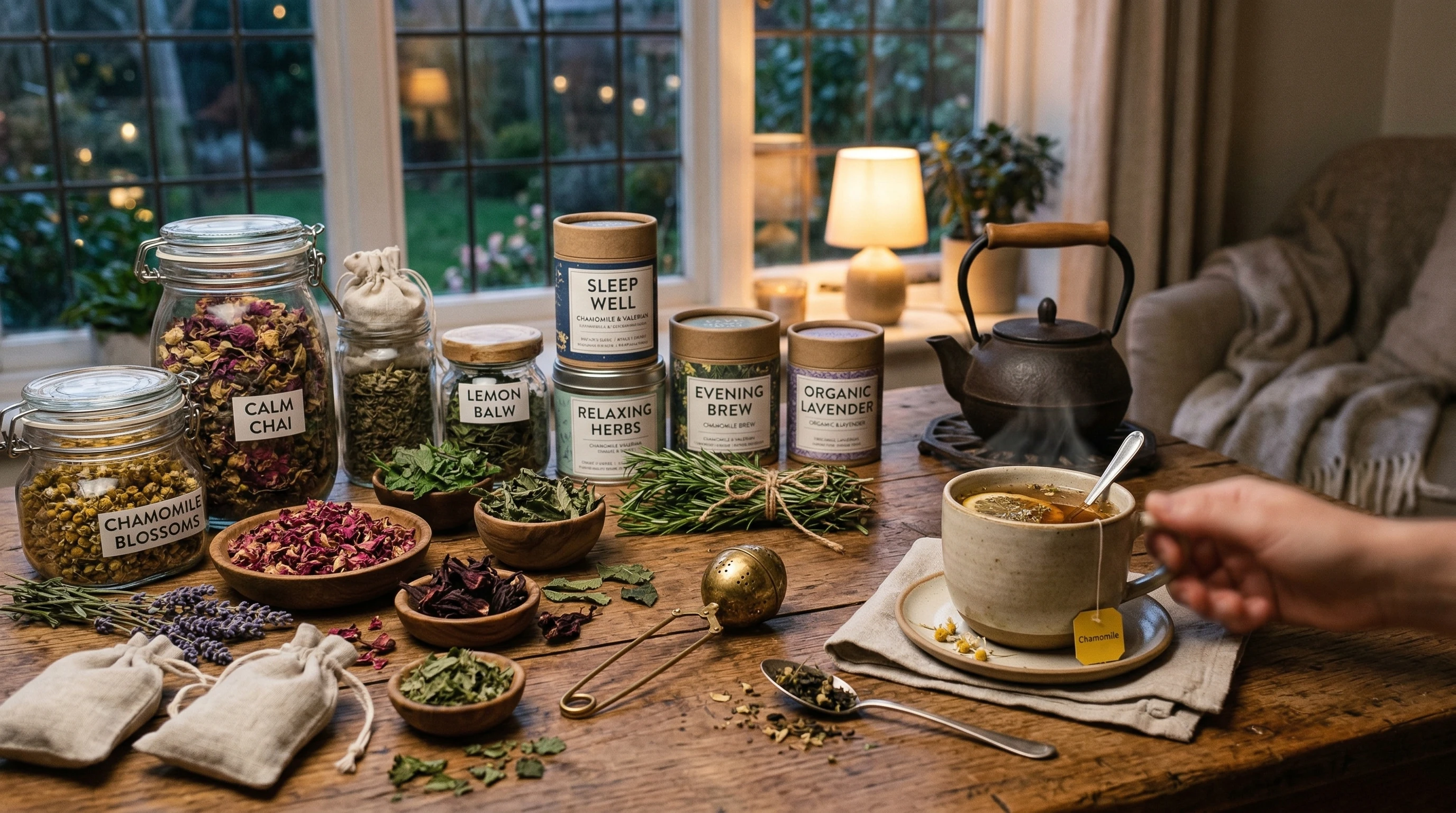
Top 10 Herbal Teas For Better Sleep
If you are searching for a natural, gentle way to get better sleep, herbal teas are definitely worth checking out. I have tested a variety of herbal teas—some just for flavor, but mainly to help me relax before bed. These teas aren’t just tasty; they can support your mind and body as you relax, making it much easier to drift off at night.
Why Herbal Tea Helps With Sleep & Stress
How Herbal Teas Work For Better Rest
Herbal teas work by using a blend of gentle, natural plant compounds. Certain herbs in teas have mild sedative effects, which help make you sleepy. Others calm the nervous system, ease tension in your muscles, or lower feelings of anxiety. Most classic herbal teas don’t have caffeine, so you don’t need to worry about them keeping you up.
Herbal Teas And Stress Relief
Stress is one of the biggest reasons many people have trouble getting to sleep. Drinking a cup of herbal tea is a simple way to ease stress at the end of a long day. Some herbs like chamomile and lavender go beyond sleep support; they calm your muscles and slow down racing thoughts. The process of making tea itself can become a soothing ritual that helps quiet your mind. When stress goes down, sleep usually comes more easily.
Do you want to try some herbal teas for better sleep? CLICK HERE to check and get them
Top 10 Herbal Teas For Sleep
1. Chamomile Tea
Chamomile is probably the most popular herbal tea for sleep, and that is for good reason. Its calming effects come from an antioxidant called apigenin, which interacts with brain receptors to promote relaxation. A cup before bed is my usual pick, especially when I feel restless.
2. Valerian Root Tea
Valerian root has a long history as a natural sleep aid. It is stronger than most other herbs, and I only go for it when my sleep patterns are really off. Its strong flavor puts some people off, but the results can be noticeable, helping you fall asleep faster and get more restful sleep.
3. Lavender Tea
Lavender isn’t just pleasing to your nose; drinking it as a tea helps your mind and body relax. Lavender tea is wonderfully calming, and some studies show it might lower anxiety and support deeper sleep.
4. Lemon Balm Tea
Lemon balm belongs to the mint family and has a gentle, smooth lemon taste. It is excellent for calming down at night, and evening cups bring relief without morning grogginess. If you tend to stress, lemon balm is a great pick.
5. Passionflower Tea
Passionflower tea is a lesser-known option for sleep support. It holds compounds that boost levels of GABA in your brain, lessening stress and making sleep easier. I find I wake up less during the night with this one.
6. Peppermint Tea
Peppermint tea may not be sedative, but it is great at helping you unwind. The menthol in peppermint can relieve tension and soothe stomach discomfort, both important if you want to feel settled before bed.
7. Magnolia Bark Tea
Magnolia bark isn’t something you will find in every pantry, but it is gaining ground as a go-to for sleep support. It has compounds called honokiol and magnolol, which improve feelings of relaxation by influencing GABA activity in the brain.
8. Ashwagandha Tea
Ashwagandha is an adaptogen that is become more popular in recent years. It mainly helps your body handle everyday stress, and over time, steady sips can lead to better sleep quality. I lean on ashwagandha as a remedy for really packed, stressful days.
9. Hops Tea
Hops are usually associated with beer, but as a tea, it’s soothing and earthy, with a mild bitterness. Often paired with valerian for bedtime blends, hops on its own can help ease anxiety and allow you to settle down when the lights go out.
10. Holy Basil (Tulsi) Tea
Holy Basil, or Tulsi, comes from India and features heavily in Ayurveda for supporting well-being. Its earthy, herbal flavor may take a little time to get used to. In my experience, Holy Basil won’t immediately put you to sleep, but it calms your mind and promotes relaxation—just right for high-stress nights.
Choosing And Brewing Your Herbal Tea
Always check the labels for ingredients if you have allergies or any health concerns. If you take medication or are pregnant, make sure to ask your doctor before adding new herbal teas to your routine. Steep most herbal teas for 5 to 10 minutes in hot water. Cover your cup while steeping to keep those helpful plant compounds inside your mug. The best time to sip your tea is 30 to 60 minutes before bedtime, so you give your body some space to wind down.
Extra Tips For Better Sleep & Tea Enjoyment
- Turn off screens and dim lights while you drink your tea; this tells your brain it is time for rest.
- Mix up your teas throughout the week. Sometimes, combining a couple of sleepytime herbs makes things extra relaxing.
- Create a nightly tea ritual—pair your cup with journaling, deep breathing, or a light read to signal to your body it’s time to settle in for the night.
- Pay attention to how different blends affect you, and keep notes to spot which teas give you the best results.
Conclusion
Herbal teas are really great for better sleep and relaxation. We all want better sleep because it helps with stress relief and is good for overall health.
What do you think about this article? Do you have any advice or suggestions? Please let us know your thoughts and write in the comment section below.
Meditation is one of the best choices for stress relief. CLICK HERE to learn more about it
I would like to hear from you, so please leave me a comment below to let me know if this article helped you.
If you want to know more about ways you can manage stress, please subscribe to this blog.
If you think this article is helpful, please share it.
Thank you! Have a nice day! Until later
Linda Mo
Founder and owner of How To Reduce Stress Naturally