Stress is everywhere in this life, and too often it impacts our health and overall well-being. I may have heard about essential oils as something to help us relax, get better sleep, or reduce stress, but only when we experience that essential oils can truly help was I convinced; now I have to tell you 100% it works. Maybe not for all people, and maybe not the way some try to use them, but they do in general. So today we are going to talk about top essential oils for stress management. Let’s go!
As an Amazon Associate, I earn from qualifying purchases
Welcome to the Essential Oils for Stress Management Guide!
If you are curious about using essential oils to manage stress, you are in the right spot. I have gathered my top picks and helpful info on how to make these natural scents a practical part of your routine. Whether you are totally new to oils or just want to learn about some new favorites, this guide has answers to the most common questions I hear about essential oils for stress and relaxation. If there is something you are still wondering, feel free to reach out to me on my contact page.
Understanding Essential Oils and Stress Relief
What are Essential Oils?
Essential oils are concentrated plant extracts known for their unique aromas and possible health-supporting properties. People have used these oils for lots of purposes. Some for hundreds of years. These include calming stress, boosting mood, and creating a relaxing vibe at home. You will find them in bottles, sprays, diffusers, bath mixes, and sometimes even personal roller blends. If you are brand new to the world of oils, here is a quick breakdown. Essential oils come from parts of plants like flowers, leaves, bark, or roots, and each oil has its own distinct scent and use.
How Can Essential Oils Help with Stress?
When it comes to stress management, a lot of people turn to essential oils for their relaxing scents. Aromatherapy, which is the use of essential oils for mental and emotional wellness, can create a peaceful mood and help you unwind after a busy day. Some scents seem to help people feel calmer or more balanced, especially when used in a diffuser or bath. Research is ongoing, but plenty of people (including me!) find these simple rituals make a difference in their everyday stress levels. If you want to check out more about aromatherapy and how it works, there are lots of resources online and in books dedicated to this ancient practice. People worldwide regularly add essential oils to their routines to support balanced emotions and set the tone for their day or night.
Top Essential Oils for Stress Management
Which Oils Are Best for Easing Stress?
I get this question a lot, so here is a list of my go-to essential oils that are super popular for calming nerves and reducing tension. If you like to mix things up, you can also blend two or three of these together for a custom scent that suits your mood:
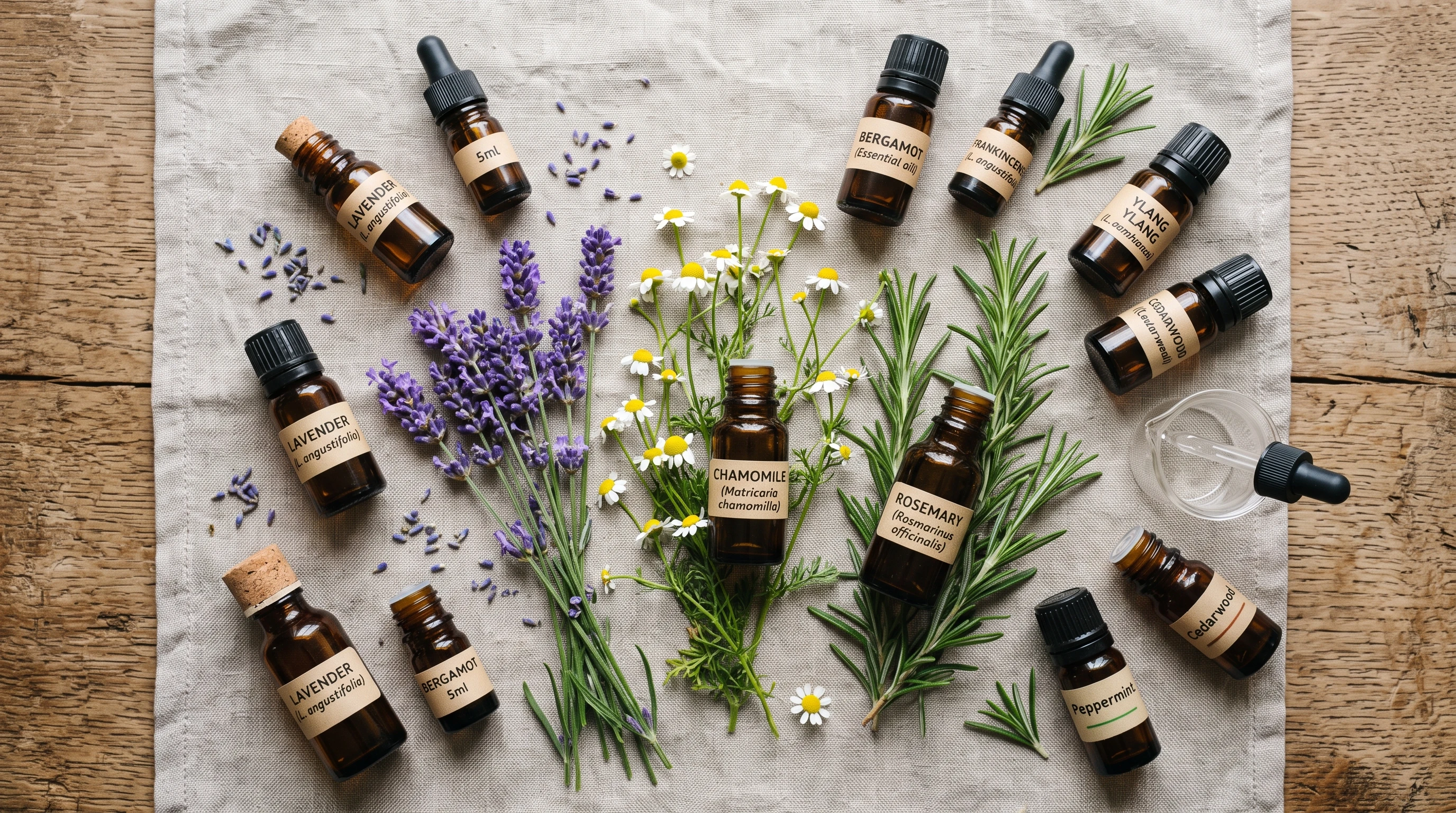
- Lavender: This oil is famous for its relaxing scent. I like to add a few drops to my diffuser at night or mix it into bath water for a chill evening. Lavender also features in pillows and sprays because its scent can help with restless nights and provides just the right amount of comfort for winding down.
Lavender essential oil is my favorite one; it helped me a lot in the past. I used that in my diffuser. It was so relxing, helped me to get rid of the headache and get good nights’ sleep.
- Bergamot: Citrus oils aren’t just energizing. They can also be really soothing. Bergamot is great for easing anxious feelings and brightening your mood at the same time. Many people love using bergamot during tough workdays, since it just seems to lift the spirit and calm the mind.
- Chamomile: Chamomile isn’t just for bedtime tea. The oil has a gentle, apple-like scent that helps set a calming vibe before sleep or during stressful moments. You will often find chamomile oil in blends targeted at sleep, relaxation, or even children’s nighttime routines.
- Frankincense: This earthy oil is thought to help promote deep breathing and emotional balance. I’ve noticed it’s especially nice during meditation, yoga, or while having some quiet time. Frankincense pairs well with other calming oils, and many fans swear it helps deepen their focus and relaxation.
- Ylang Ylang: Sweet and floral, ylang ylang oil can feel uplifting and relaxing at the same time. It is a good pick for melting away a tough day. The scent is also quite unique, so it often gets used in perfumes and calming blends for an extra bit of next-level cool in your stress relief routine.
- Clary Sage: If you deal with mood swings or hormonal stress, clary sage is worth checking out. Some people even say it helps with tension headaches and emotional ups and downs. Clary sage can be used alone or mixed with lavender or chamomile for a boost in effect.
- Rose: The scent of roses has a gentle way of making things feel a bit softer and less overwhelming. I love using rose oil for moments when I need to create a sense of calm and comfort. Some even add rose oil to their skincare for an added touch of stress relief during self-care rituals.
- Geranium: This floral oil is often used for balancing emotions and creating a peaceful space. If you are looking to switch things up beyond lavender or chamomile, geranium brings a bright, sweet aroma that helps calm worries.
How Do These Oils Work for Stress?
Each oil works a little differently, mostly through its aroma. Scents trigger areas of the brain linked to emotion and memory (namely, the limbic system), which might help explain why certain smells can quickly calm racing thoughts or stressful feelings. It is not a magic solution, but including these oils in your daily routine can offer a little boost toward feeling more relaxed and grounded. Starting or ending your day with your favorite aroma can set a positive tone. If you like, try journaling your feelings before and after using certain oils to see which scents have the biggest impact on your mood.
If you want to try lavender or any essential oil, you can; there are a lot of places where they sell them online or offline.
Easy Ways to Use Essential Oils for Relaxation
What is the Safest Way to Use Essential Oils for Stress Relief?
It is super important to use essential oils safely, since they are so concentrated. Here are my favorite ways to include them in everyday life:
- Diffusing: A few drops in a diffuser can fill the room with a peaceful scent. I keep a diffuser near my desk for busy days or next to my bed at night. If you don’t have a diffuser, dropping some oil onto a cotton ball or tissue works too.
- Topical Blends: Always dilute oils with a carrier oil (like coconut, almond, or jojoba oil) before putting them on your skin. I use ready-made roller blends for quick, easy application to my wrists or neck. Some people enjoy making their own blends for a personal touch, choosing carrier oils and concentration to suit their preferences.
- Bath Soaks: Drop a few diluted drops of calming oils into the bath for a spa-like soak. Just mix with a carrier oil or even unscented bath salts first. This helps avoid skin irritation and spreads the scent throughout your bath. A warm bath with oils can help signal to your brain that it is time to unwind, and pairing oils with Epsom salts may give extra muscle-soothing benefits.
- Sprays and Mists: Add some drops to a spray bottle of water and mist your pillow, yoga mat, or the air before winding down for the evening. Cooling spray can come in handy on hot days or after exercise, offering a refreshing aroma wherever you need it.
How Much Oil Should I Use?
A little goes a long way with essential oils. I usually stick to 3-5 drops in my diffuser or 1-2 drops per tablespoon of carrier oil for topical blends. Always check the instructions on your oil bottle, since some oils are stronger than others. If you are ever unsure, start with less oil and build up as you find what feels right for you. It is much easier to add more scent than to undo an overly strong aroma.
Choosing the Right Essential Oil for You
What Should I Look for When Buying Essential Oils?
Quality makes a pretty big difference when it comes to essential oils. I have picked up a few tips over the years that help you pick out good oils, especially if you’re using them for stress or wellness:
- Look for oils labeled as “pure” or “100% essential oil” without added fillers or synthetic fragrances.
- Check that the botanical name (like Lavandula angustifolia for lavender) is listed on the bottle. That’s usually a sign of a reputable brand.
- Buy from brands that are open about their sourcing and testing. Some companies share GC/MS test results, which is a good sign of quality and transparency.
- Pick dark glass bottles (like amber or cobalt blue) to keep oil fresh.
Buying essential oils in smaller bottles means they are more likely to stay fresh before you use them up. If you are ever in doubt about a brand, check out online reviews or ask folks in essential oil communities for honest opinions. Taking your time to read ingredient labels and research companies can mean a better experience in the long run.
Are There Specific Brands You Recommend?
You can try Plant Therapy, Eden’s Garden, and Rocky Mountain Oils. All three share lots of ingredient info and make shopping for single oils or blends pretty easy. Each of these brands offers starter sets with some of the most popular oils for stress relief, making it simple to get started without a big investment.
Tips for Safe and Effective Use
Can Anyone Use Essential Oils?
Most adults can use essential oils with a bit of common sense, but there are some things to be mindful of. If you are pregnant, breastfeeding, or have certain health conditions (especially asthma or allergies), talk to your doctor first. Many oils aren’t considered safe for young children or pets, so double-check before using them around little ones or animals. And always store oils safely out of reach of children and pets, since some scents can be dangerous if ingested or misused.
Can I Use Essential Oils Directly On My Skin?
I never use undiluted essential oils directly on skin, except for rare exceptions. Undiluted oils can irritate, especially for sensitive types like cinnamon or clove. Blend a drop or two with a tablespoon of carrier oil, and always do a patch test first to check for any reactions. For sensitive skin, oils like lavender and chamomile are usually gentle choices, but testing is key for any new blend.
What About Inhalation? Is It Safe?
Diffusing essential oils is the method I use most often. It is generally safe for most people, as long as your room is well-ventilated. If you have allergies or sensitive airways, use less oil or stick with milder scents. You might also try passive inhalation, like leaving a scented tissue on your desk, if you are sensitive to strong smells in the air.
Your Questions About Essential Oils & Stress – Answered
How fast do essential oils work for stress?
Some people feel calmer within minutes of breathing in a soothing scent, while others notice effects more gradually with regular use. Personal experience varies, and a lot depends on your stress level and which routine works best for you. If you use oils during meditation or nighttime routines, you may find the relaxation effect increases over time as your body gets used to the association between scent and calmness.
Can essential oils replace medication for anxiety?
Essential oils can be a nice addition to your stress management toolkit, but they aren’t a substitute for mental health treatment. If you are struggling with anxiety or depression, reach out to a qualified professional. Oils can complement other practices like mindful breathing, therapy, or meditation, but they are just one piece of the puzzle. It is perfectly fine to use oils alongside your usual routines, but always check with a doctor if you are considering major changes to your treatment plan.
Do I need special equipment to get started?
No complicated tools are needed. A basic diffuser is handy, but you can also sprinkle a few diluted drops on a tissue or blend with a carrier oil for a quick wrist massage. For bath use, a simple cup of Epsom salts is all you need to make a relaxing soak. If you want to get creative, there are lots of simple DIY projects online for making your own sprays, balms, or even perfumes with essential oils.
Extra Resources & Support
Where Can I Learn More?
There are a ton of great books and websites for learning about essential oils. Some of my favorites include the National Association for Holistic Aromatherapy (NAHA), AromaWeb (aromaweb.com), and Plant Therapy’s blog. If you are interested in reading studies, PubMed (ncbi.nlm.nih.gov) is worth browsing for research on aromatherapy and stress. You can also follow wellness blogs on social media or sign up for newsletters from trusted essential oil brands to keep up with new tips and studies.
How Can I Connect With Others?
Finding support is always a good move. There are online groups, forums, and local classes where you can ask questions or swap ideas with others who love natural wellness. If you didn’t find your answer here, I am always happy to help. Just send me a message! Sharing your experiences or reading how others use essential oils can open up new ideas for your own wellness rituals.
Conclusion
Essential oils are great for stress relief; most of them are calming and relaxing. They can give you an amazing feeling, maybe something you need to be able to deal with stress smarter and in a cool way. Even if you are skeptical, I would advise you to try. It could be for you or not, but I think not much to lose.
Your stress management adventure is personal, and incorporating essential oils can be as simple or as thoughtful as you want. If you have more questions or want personalized tips, feel free to reach out. I am always around to chat about making your space a bit more relaxing, one scent at a time. Don’t forget, exploring new oils or blends can be fun, so check in as often as you like to expand your collection and knowledge on making calmness a daily habit.
What do you think about this article? Do you have any advice or suggestions? Please let us know your thoughts and write in the comment section below.
Essential oils are really great for stress relief and relaxation; if you would like to try them, you can explore some essential oils for relaxation
I would like to hear from you, so please leave me a comment below to let me know if this article helped you.
If you want to know more about ways you can manage stress, please subscribe to this blog.
If you think this article is helpful, please share it.
Thank you! Have a nice day!
Until later
Linda Mo,
Founder and owner of How To Reduce Stress Naturally
This was really helpful. There are so many essential oils out there it can be somewhat overwhelming for somebody who does not know a lot about them. I have always known that Lavender is a great one for relaxation, but I am not mad about the smell.
I also enjoy my Chamomile, but had not idea that you could use this one in so many other ways. I am going to try something new thanks to your recommendation and that is ylang ylang oil. I can’t wait to smell this one.
Michel, thanks for your comment! For me, I really like the Lavender one, but surely that is not for everyone. We are all unique and different in our own ways. I think we all have a special aroma, plant, or essential oil that we like. I believe there are many options for choosing an essential oil we like