Holistic approaches to stress seem the most natural and less invasive in some ways. Here is all about reducing stress naturally. So this time, we are going to look at what is really called holistic approaches to stress. Let’s go and explore more! 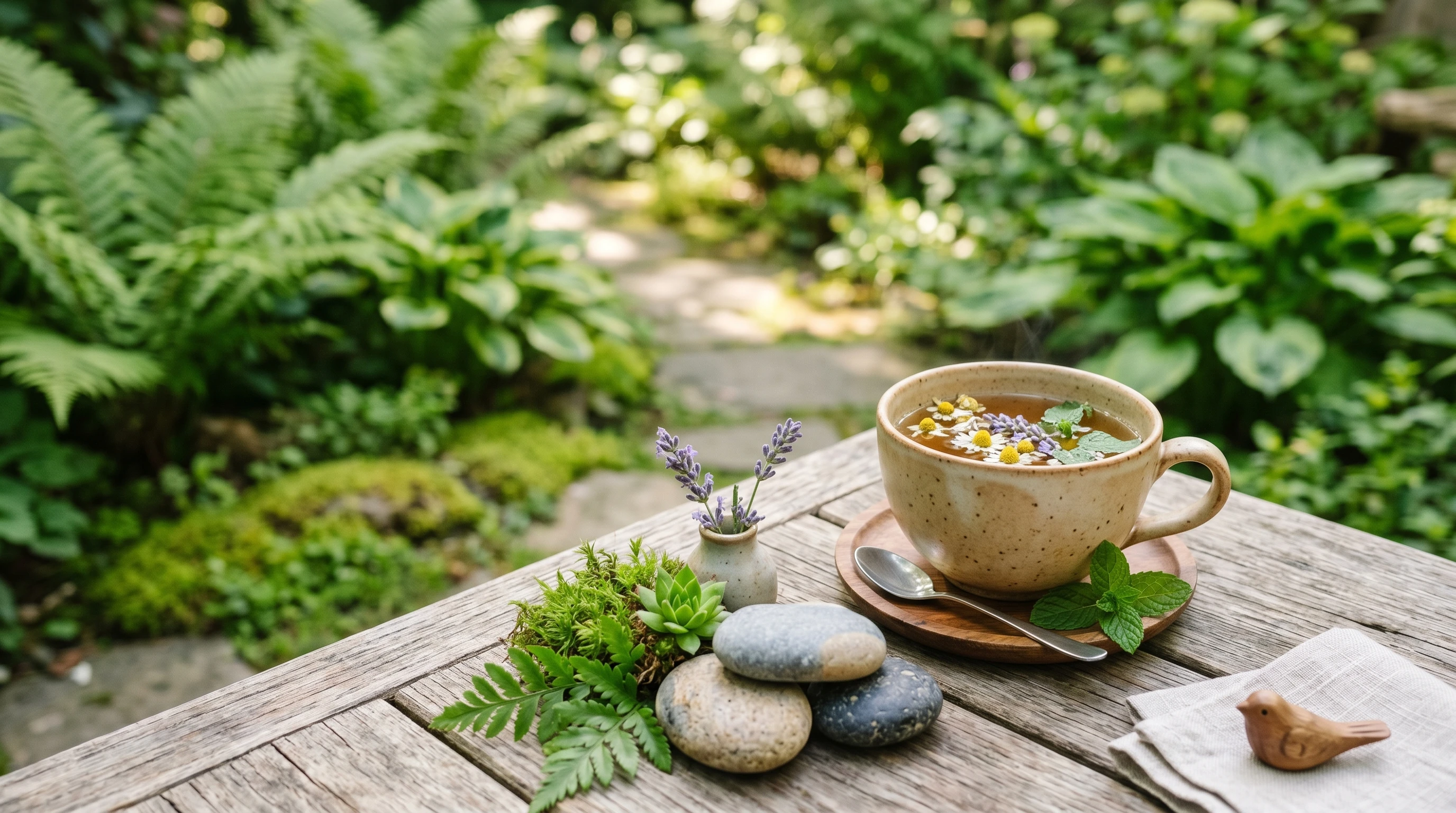
Welcome to Your Guide on Holistic Approaches to Stress!
Life can be busy, and stress shows up when you least expect it. I have put together answers about holistic approaches to managing stress, so you get the scoop on practical ways to feel better from the inside out. If you are curious or want tips for a calmer life, you are in the right spot.
Understanding Holistic Stress Management
What does a “holistic” approach mean?
When I say “holistic,” I am talking about looking at the whole picture. It is not just about what is happening in your mind, but also your body, emotions, daily routines, and even your environment. Holistic stress relief covers a variety of areas: nutrition, exercise, mindfulness, sleep, and even your social life, all working together for better overall wellness. This approach looks at you as a whole person and aims to support your well-being on multiple levels, not just address isolated symptoms.
Why choose a holistic approach for stress?
Approaching stress this way means you are not just putting a bandage on symptoms. I have found that addressing the root causes—like poor sleep or negative thought patterns—leads to lasting relief. Remember, it is flexible, so you can pick what works best for your lifestyle and mix different tools for a custom plan. Research shows that combining physical, mental, and social habits has a bigger impact than focusing on one piece alone (NCBI). Building these habits little by little can make a noticeable difference in your stress and overall happiness.
Holistic Techniques for Easing Stress
How can mindfulness and meditation help?
I keep mindfulness in my own stress toolkit. Taking a few deep breaths or doing a simple meditation for even five minutes helps me hit the reset button. Studies support the benefits of meditation for lowering cortisol (the stress hormone) and improving mood. If you are not sure where to start, apps like Calm and Insight Timer are pretty handy. Even just paying attention to how you feel during daily tasks, like washing dishes or walking, can spark a sense of calm and awareness.
What role does movement play?
I notice a real difference in my stress levels after a walk or gentle exercise. Yoga, tai chi, or just stretching can help your body relax and boost your mood. You don’t have to run a marathon; even moving for 10–15 minutes helps your body process stress better. Regular movement also helps you sleep well and keeps your energy up, making it easier to handle daily challenges and triggers.
Are there natural ways to support stress relief?
Nature is a solid stress-buster. When I am feeling frazzled, getting outside, even for a few minutes, lifts my spirits. Plants, fresh air, and a change of scenery signal your nervous system to chill out. Herbal teas like chamomile or lemon balm might also offer gentle support, though it is smart to check with a doctor if you have health conditions or take medications. Spending time in green spaces, gardening, or just opening a window can help bring calm into your day. Music, aromatherapy, and art also provide soothing outlets for stress.
Maybe you want to try meditation as a holistic approach to stress? CLICK HERE to learn more about it
Nutrition and Lifestyle Tips
How does food affect stress?
What I eat has a big impact on how I feel. Foods rich in magnesium (like leafy greens), omega-3s (like salmon or flaxseed), and B vitamins can help your brain and body deal with stress. Caffeine, sugar, and processed foods might make things worse for some people. Balancing blood sugar with regular meals and snacks is super important for steady energy and mood. Making small swaps, like choosing whole grains over white bread and adding nuts or seeds to your meals, supports healthier stress levels day by day.
Why is sleep important in managing stress?
When I’m tired, my stress feels way worse. Quality sleep helps your brain recover and process emotions, so you feel more resilient. Sticking to a bedtime routine, like turning off screens, dimming the lights, or listening to calming music, can make falling asleep easier and boost your ability to handle stress. If you have trouble sleeping, a warm bath, gentle stretching, or reading a book before bed may help you wind down and build more restful nights.
Safe Practices and Professional Guidance
Is holistic stress relief safe for everyone?
Most holistic practices like deep breathing, mindfulness, healthy eating, and movement are safe for most people. But everyone’s situation is different. If you are dealing with a high level of stress or have other health concerns, checking in with a healthcare provider or therapist is a good idea. Sometimes, stress can point to something that needs more support, like anxiety or depression. If you try a new practice and something feels off, take a break and listen to your body’s feedback.
What should I do if stress feels overwhelming?
If you ever feel your stress is more than you can handle, reaching out is important. Counselors, therapists, and support groups can make a difference. There is no shame in asking for help; mental health is part of your whole picture. If you feel stuck, start with a small step—like talking to a friend or making one phone call to a support line or professional.
Getting Started with Holistic Stress Relief
How can I fit these practices into my day?
You don’t have to change things overnight. I started by picking one or two things to try, like swapping my afternoon coffee for herbal tea or taking a short walk after work. The key is to practice regularly and notice what feels good for you. Over time, these new habits can have a real impact on how you manage daily stress. Try keeping a journal to track what helps you most, and be patient as your routine grows.
Where can I find more resources?
If you are curious about digging deeper, it is worth checking out reputable sources like the National Center for Complementary and Integrative Health or APA’s tips for managing stress. Apps, books, group classes, and online workshops are also out there to support your adventure. Building a support system, whether in-person or online, can help you stay encouraged as you try new approaches.
Conclusion
Holistic approaches to stress are great to keep in mind if you want to reduce stress naturally. This approach is something that takes into account everything, like your diet, mindset, social habits, and so on. I think a holistic approach is what we all need, because it looks at the whole picture and not just parts of it.
If you tried any holistic techniques or have questions, feel free to drop a comment or check in with wellness professionals in your area. Sharing what works for you helps everyone in the community learn and grow.
What do you think about this article? Do you have any advice or suggestions? Please let us know your thoughts and write in the comment section below.
Are you interested in meditation? CLICK HERE to learn more about it
I would like to hear from you, so please leave me a comment below to let me know if this article helped you.
If you want to know more about ways you can manage stress, please subscribe to this blog.
If you think this article is helpful, please share it.
Thank you! Have a nice day!
Until later Linda Mo,
Founder and owner of How To Reduce Stress Naturally
I’ve always thought of stress management as pretty straightforward, just slow down, breathe, maybe go for a walk. But this article made me realize I was only looking at part of the picture. The concept of a complete holistic approach, meaning your diet, sleep, movement, mindset, and environment all working together, isn’t something I’d given much thought to before. It makes sense when you think about it. Fixing one thing while ignoring the others is a bit like patching one leak while the rest of the roof is still dripping. Worth a read if you’ve ever felt like you’re managing stress but still not quite getting on top of it.
You are right, stress management is a bit of a complex process if we want to do it the right way. In my opinion, a holistic approach is the best thing to do for our well-being and stress management, because it looks at the overall image, not just a piece of the picture.