Today, we need to talk about meditation again. I think it is not enough to talk about it, and we should use meditation techniques when we feel worried, anxious, or stressed. As I always mention, meditation is one of the best ways to reduce stress, maybe the best one. Let’s see how 10 beginner-friendly meditation techniques for stress relief could help you!
Beginner-friendly Meditation Techniques for Stress Relief
Starting meditation can seem overwhelming at first, but I have found it much easier once you learn the basics and try a few methods. Here, I chose ten beginner-friendly techniques you can use to lower stress and enjoy a calmer mindset. Each approach is simple—you don’t need fancy equipment or much time to get going.
Common Meditation Questions
What is meditation?
Meditation is a practice where you focus your mind on something, like a sound, your breath, or just stillness. The idea is to train your mind to stay calm and aware, helping you deal better with stress or anxiety. I started after hectic workdays and always ended up feeling more relaxed and less tense.
How can meditation help with stress?
Meditation offers your mind a break from constant mental chatter. By focusing on your breath or the present moment, you slow down racing thoughts. Personally, it has helped me unplug and breathe easier. Research shows meditation can lower cortisol, the hormone linked to stress (source).
How often should beginners meditate?
If you are new, aim for five to ten minutes every day. Being consistent is more important than practicing for a long time. Real benefits show up when you stick with it, even for short periods—it is like building any other habit.
If you want to learn more about meditation and see how it could help you with stress relief, CLICK HERE to learn more about it
10 Easy Meditation Techniques for Beginners
- Mindful Breathing. Sit comfortably and notice your breath. Inhale and exhale naturally without forcing it. When you notice your attention drifting, gently guide it back to your breathing. This technique is simple, effective, and can be used almost anywhere.
- Body Scan. Start with your toes and slowly pay attention to each body part. Notice any sensations or tension, letting go of any judgment. I enjoy this before bed to ease physical tightness and unwind.
- Guided Visualization. Listen to audio guides that take you through calming scenarios, like quiet forests or peaceful beaches. Many apps and free recordings help smooth the way.
- Counting Breaths. Breathe in and count “one,” breathe out and count “two,” and so on up to ten before starting over. This keeps your mind focused and helps keep worries at bay.
- Gratitude Meditation: Think of someone or something you are thankful for, and bask in that feeling. Focusing on gratitude—even on tough days—can boost your mood and outlook.
- LovingKindness (Metta) Picture yourself and others, wishing happiness and goodwill. Repeat phrases such as “May I be happy” for yourself, then for loved ones, and even for challenging people. This practice may be comforting and open your heart over time.
- Walking Meditation Walk slowly and mindfully, paying attention to every step, how your feet feel, and your breathing. Outdoor spaces are great for this. It is a good method to clear your thoughts while moving.
- Mantra Meditation. Silently repeat a calming word or phrase, like “peace” or “relax.” When distracted, return your focus to the mantra. This is great for quieting distractions and creating focus.
- Five Senses Meditation. Check in with your senses: what do you see, hear, smell, taste, and feel? This approach is super useful when you are anxious and need to ground yourself fast.
- Minute to Minute Awareness. Set a timer for a minute or two and become aware of what is happening right now, moment to moment. You can use this method between tasks or during stressful times to reset your mind.
Helpful Tips for Getting Started
What is the best time and place for meditation?
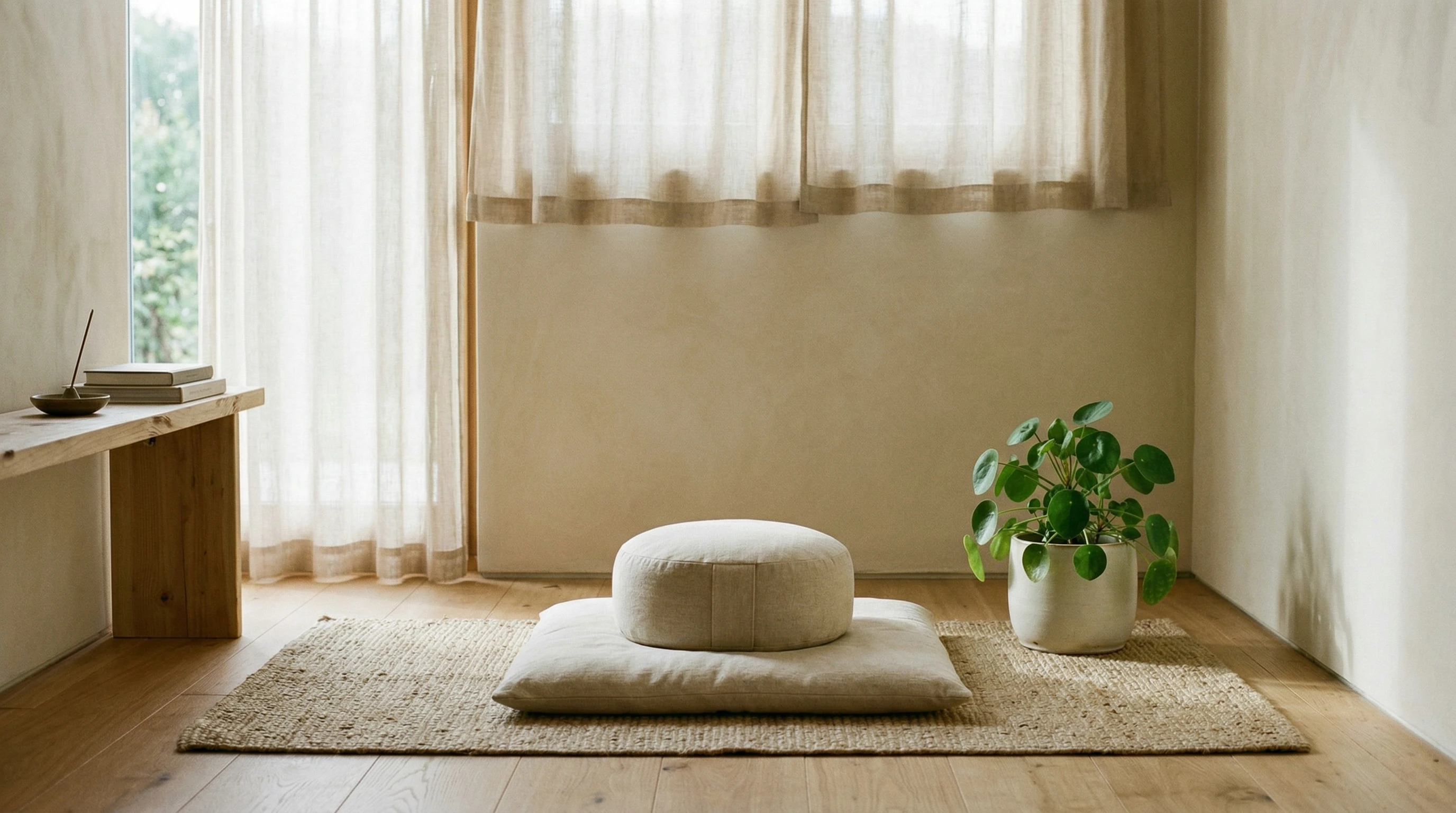
I think mornings or before bed are great for meditation, though any time you have a few quiet minutes works well. Choose a spot that is peaceful and as distraction-free as you can find. Even a cozy corner with a comfortable chair can help you settle in.
If you want to know more about meditation and see its benefits, CLICK HERE to learn more about it
Do I need special tools or apps?
Nope! While cushions or meditation apps can be handy, all you really need is a few quiet moments and a willingness to try. Some people (myself included) enjoy free apps like Insight Timer or Calm for guided sessions if they are feeling stuck or need inspiration.
How do I handle racing thoughts?
Racing thoughts are common, especially for beginners. When you notice your mind has wandered, simply acknowledge it and steer your attention back to your meditation focus—no stress or guilt. Everyone gets distracted, and part of meditation is just noticing those moments without judging yourself.
Sticking With It and Tracking Progress
How long until I feel results?
Some people feel calmer right away; for others, it may take a few weeks to notice a difference. The important thing is to keep at it, even when you are not sure it is working. Every meditation session counts, even on busy days, and over time, those little moments of calm stack up into real change.
Should I keep a meditation journal?
Journaling lets you track which techniques feel best and follow your shifting stress levels. I like writing a quick note after each session—it is pretty motivating to see my little wins over time and notice when something new clicks.
Conclusion
As I always say, meditation is one of the best ways to reduce stress and relax, let go of stressors and worries that have impacted you all day. Basically, clear your mind and invite clear thoughts, new ideas, and get a good night’s sleep. These 10 beginner-friendly meditation techniques could help you start your meditation practice and open your mind to new ideas on how to use meditation techniques to your benefit.
If you are not sure which meditation style to pick or want extra support, check out reliable resources like the Mindful website or ask around about local group meditation sessions in your community. Meditation is super individual, and trying a few methods helps you track down what feels right for you. Stick with it, mix things up, and enjoy the benefits as they grow.
What do you think about this article? Do you have any advice or suggestions? Please let us know your thoughts and write in the comment section below.
Meditation is a great choice for stress relief. CLICK HERE to learn more about it
I would like to hear from you, so please leave me a comment below to let me know if this article helped you.
If you want to know more about ways you can manage stress, please subscribe to this blog.
If you think this article is helpful, please share it.
Thank you! Have a nice day! Until later
Linda Mo
Founder and owner of How To Reduce Stress Naturally