Today, we are going to talk about the best herbal teas for relaxation and stress relief. Herbal tea is an amazing way to relax and let go of worries and stress, even if just for a moment. But we need those calming, relaxing moments. Let’s explore more!
Herbal tea is one of my favorite go-tos for winding down after a long, stressful day. There is something about the soothing aroma, gentle flavors, and the simple ritual of brewing a warm cup that instantly helps melt the tension away.
While herbal teas don’t contain caffeine, they come packed with unique compounds that help the body relax and encourage a sense of calm. If you’re navigating busy days and anxious moments like I often do, finding the right herbal tea can be a game-changer for your daily self-care toolbox.
Why Herbal Teas Help With Relaxation and Stress Relief?
One of the reasons I always recommend herbal tea for stress relief is because a lot of them contain natural compounds that research has linked to calming effects. For centuries, cultures from China to Europe have brewed herbs like chamomile, lavender, and valerian to help deal with nerves and sleeplessness. Sipping a warm cup isn’t just old-fashioned advice—it is actually backed by science.
- For example, chamomile has been studied for its mild sedative properties and its ability to reduce anxiety symptoms (source).
- Lavender tea is another superstar, with research suggesting it helps lower cortisol (the body’s main stress hormone) and improve sleep quality.
- Valerian root, while a bit earthier in taste, has been shown in some studies to shorten the time it takes to fall asleep. If you sometimes toss and turn at night, valerian may be worth checking out.
The act of drinking herbal tea also encourages you to slow down, unplug, and focus on the present moment—a practice similar to mindfulness. Even beyond the specific health benefits, that simple pause can work wonders for stress and mood.
Popular Herbal Teas For Relaxation (And Why They Work)
There is a wide variety of herbal blends and single-ingredient teas out there. Each one brings a little something different to the table. So, let’s now have a look at the features I think you will really like about a few classic choices:
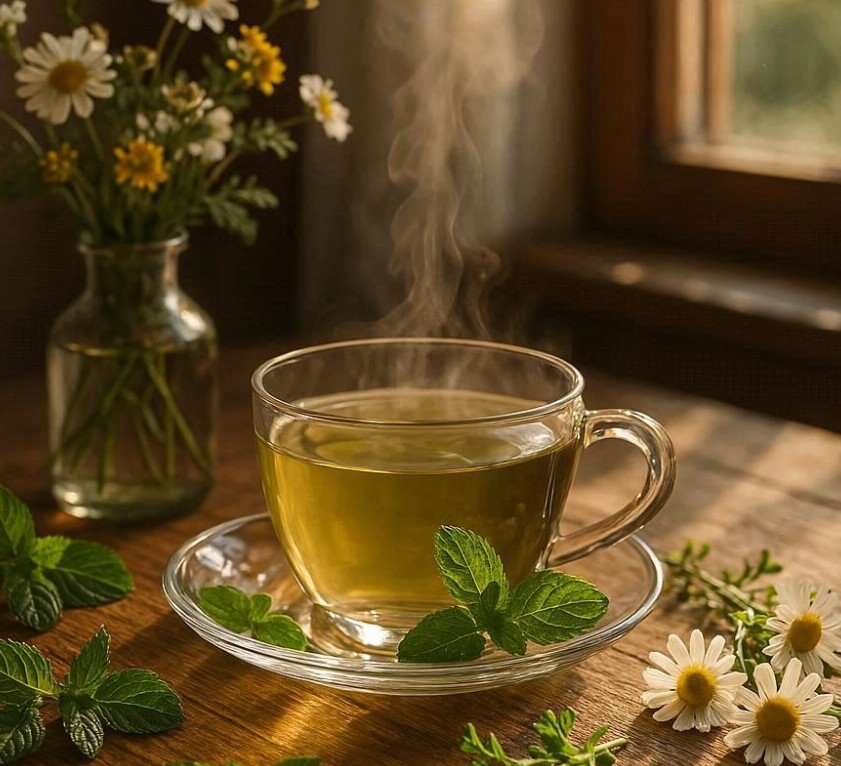
- Chamomile: The go-to option for so many people, chamomile has a naturally sweet flavor and is loaded with apigenin, an antioxidant that binds to certain brain receptors and helps promote sleepiness. Perfect for an evening routine if you are trying to relax before bed.
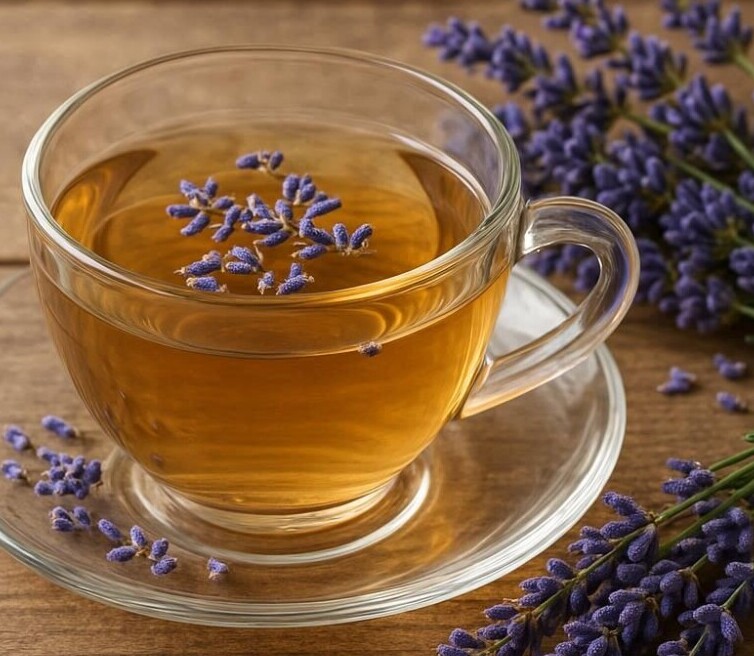
- Lavender: Famous for its beautiful fragrance, lavender tea brings both floral notes and relaxation benefits. Studies like those from the National Institutes of Health suggest it helps reduce feelings of stress and tension after a long day.
- Lemon Balm: Mild and citrusy, lemon balm tea is great if you want a gentle, uplifting chill-out drink. Some research points to improved calm and even improved focus when sipping lemon balm, making it a good fit for daytime wind-down sessions.
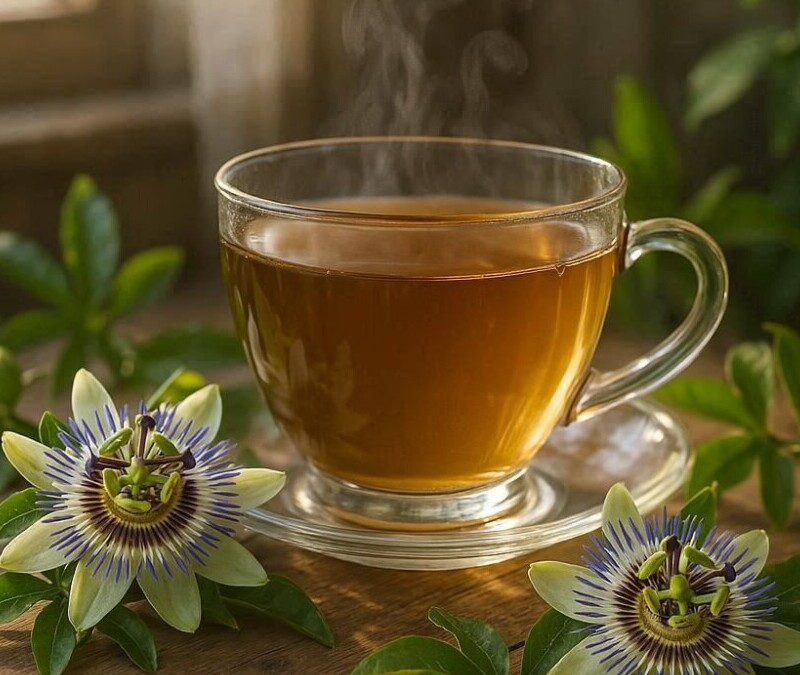
- Passionflower: I like this one especially in blend teas. Passionflower can help quiet those mind-racing thoughts and may support healthy sleep. A 2017 study (source) found that it helped with better sleep patterns.
- Valerian Root: Known for its stronger, more earthy smell, valerian is well-known among people who struggle to sleep. It is often used in blended teas; try it with honey if that strong taste is a dealbreaker for you. It is commonly called a “sleep aid” herbal, since it helps the brain settle in for rest.
- Peppermint: Not always thought of as relaxing, but peppermint tea naturally calms the digestive system, which actually helps the whole body relax. If your stress shows up as a tense stomach, this is worth checking out.
- Rose Petal: This one’s a more aromatic option. Rose petal tea is gentle, floral, and perfect for a quiet night in. It contains antioxidants and is often included in blends made specifically for mood support.
Each of these teas can be sipped alone or in blends, depending on your personal flavor and relaxation preferences. The nice thing is, you really can’t go wrong experimenting with different combos. Many herbal teas even blend two or three of these relaxing herbs together for a unique flavor and a more layered calming effect.
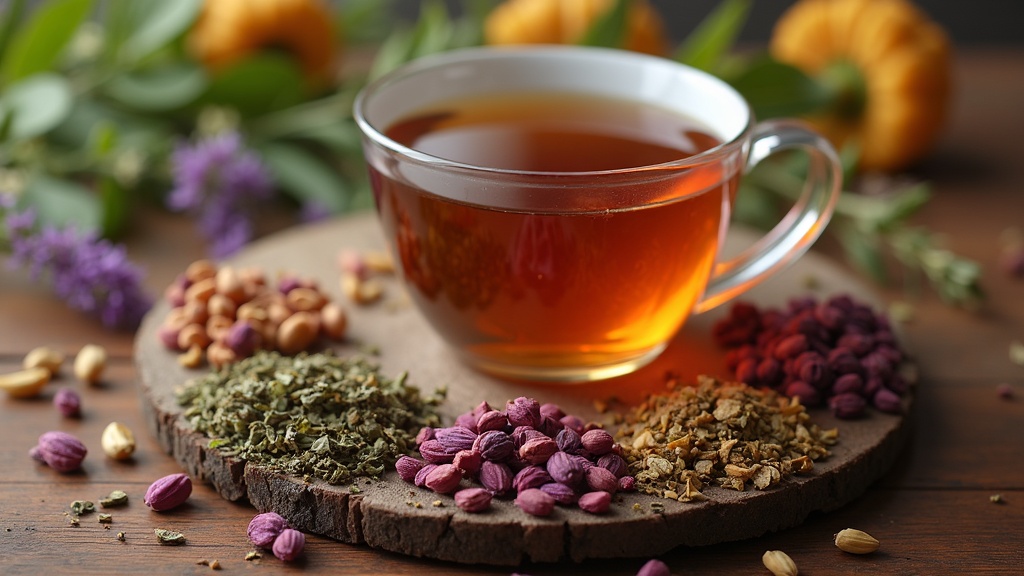
Some boutique herbal shops create custom blends with hints of spice, berries, or light citrus as well. If you prefer to blend your own at home, starting with dried chamomile and lavender makes for a classic, flowery cup.
For those interested in a bolder taste, valerian and passionflower can bring greater impact, though you may want to sweeten these with a little honey or add a couple of rose petals to smooth the edges.
How To Brew Herbal Teas For the Best Results
Getting the most out of your herbal tea isn’t complicated, but a few simple tricks can help you get a tastier, more soothing cup.
- Water temperature: Most herbal teas work best with water between 200°F and 212°F (just at or below a full boil). Using water that is not hot enough sometimes results in a weaker brew, so a kettle is pretty handy.
- Steeping time: Herbal teas often need longer to release their flavors and health compounds. I generally let mine steep for about 5 to 10 minutes, sometimes longer for roots like valerian.
- Loose leaf vs. teabags: Loose leaf teas often have a richer flavor, but convenient, high-quality teabags can work well, too. If you want the full strength of the herb, go for loose leaf and use a simple strainer.
- Add-ins for taste: If you are not a fan of bitter notes or stronger roots, add a little raw honey or a twist of lemon. Some people enjoy a dash of cinnamon or ginger in their blends for extra warmth. Using orange peel or even a few dried berries can gently sweeten your tea, enhancing its calming aroma and flavor.
Brew your tea in a mug you like, find a cozy spot, and give yourself a few quiet moments. That small act of self-kindness really matters during stressful days. Making it a daily ritual not only gives you something to look forward to but also trains your mind and body to wind down whenever you settle in with your favorite blend.
Things To Consider When Choosing A Relaxation Herbal Tea
Shopping for herbal teas can get confusing fast. Here are a few things I always look for before trying something new:
- Source and quality of herbs: I aim for organic teas or brands that share where and how they source their ingredients. Fewer additives and fresher herbs often make for a better cup. Single-origin options are sometimes available and can provide a unique flavor.
- Taste preference: Some people love floral teas; others don’t. If you are new, sample a few smaller packages or variety packs until you land on flavors that make you happy. Don’t be afraid to try a relaxing blend that combines several calming herbs for a mellow, balanced experience.
- Potential allergies or sensitivities: Double-check ingredients, especially for blends that mix multiple herbs. If you are pregnant or on medication, ask your doctor before trying new teas, since some herbs might interact with medicines or conditions.
- Purpose: Are you looking to relax during the day, or are you really after better sleep? Choose teas known for their sedative effects if bedtime is the issue. Lighter options like lemon balm or peppermint are nice for daytime calm without drowsiness. You might also want to explore teas with other soothing herbal notes, such as holy basil (tulsi) or linden, both of which offer a gentle calming benefit without heavy sedation.
What The Research Says About Herbal Teas And Stress Relief
There is growing interest in herbal teas as natural options for stress management. Modern research shows promise for a few herbs and their impact on mood and sleep:
- A 2016 review in the journal Phytomedicine found chamomile and lavender useful for managing mild to moderate anxiety. The review pointed out both the traditional use of these herbs and modern clinical findings.
- A small study from 2011 published in the journal Phytotherapy Research found passionflower tea boosted sleep quality in healthy adults after a week of use. Participants reported falling asleep faster and waking up less during the night.
- Valerian has long been studied for supporting better sleep. While results vary, several trials point to small but measurable improvements in sleep latency (how quickly you fall asleep) for some people. People who don’t like valerian’s strong aroma can look for blends where its earthiness is balanced by gentler herbs.
- Lemon balm is another winner. 2014 research from Nutrition Journal highlighted its calming effects, especially when combined with other plant extracts. Besides calming nerves, lemon balm may help lift moods as well.
While herbal teas aren’t going to be a “magic solution” for everyone, they are a gentle way to add some calm to your daily routine and work nicely alongside other relaxation habits, like deep breathing or meditation. Try keeping a journal of your mood and sleep quality as you try different combinations to track down what works best for you.
Common Questions About Herbal Teas For Relaxation
Here are a few questions I often hear from people curious about using herbal teas for stress relief.
Question: Are herbal teas safe to drink every day?
Answer: For most people, drinking herbal teas daily is totally safe, especially in moderate amounts. Just stick to common ingredients like chamomile, peppermint, or lemon balm, and check with your doctor if you have allergies, medical conditions, or are taking medication. Regular use lets you build a soothing habit without concerns about caffeine or harsh stimulants.
Question: Can I give herbal tea to children?
Answer: Some mild blends like chamomile or lemon balm are usually fine for older children, but not all herbs are appropriate for kids, for example, valerian or certain blends. It is best to consult a pediatrician before sharing herbal teas with younger kids or babies. Always use a gentle blend and avoid anything overly strong or unknown.
Question: How long does it take for herbal tea to work?
Answer: Most people start to notice calming effects within 15 to 30 minutes after drinking a cup, but the experience can vary. For the best results, try adding the tea to your wind-down routine daily for a couple of weeks. Consistency often brings better overall effects and helps shape positive habits.
Question: Can I use herbal teas for stress if I’m pregnant?
Answer: Some herbal teas (like chamomile or peppermint) are usually considered safe in small amounts, but avoid strong teas or blends with valerian, passionflower, or other less-studied herbs. Always check with your healthcare provider just to be on the safe side. Every pregnancy is unique, and some herbs can interact with medications or specific conditions, so a quick check-in keeps things safe.
Question: Do herbal teas help with anxiety?
Answer: Some studies and a lot of personal experiences point to benefits for mild anxiety or tension. Chamomile, lavender, and lemon balm are among the most researched for this use. Adding a daily calming ritual, like sipping herbal tea, can bring relief and reinforce other approaches like deep breathing or meditation.
Wrapping Up
Reaching for herbal tea during times of stress can be a comforting and healthy ritual. Each cup gives you a quick way to take a breath, pause, and support your body’s natural ability to unwind. With so many varieties, there is pretty much a tea for every taste and need.
Careful research helps buyers make informed decisions, and talking with a doctor about specific concerns is always smart. Soothing, simple, and super approachable, herbal teas are a worthwhile part of any relaxation routine. Mixing and matching your favorite herbs is part of the fun, and the daily tea ritual provides a gentle nudge to slow down and prioritize your well-being—one sip at a time.
Which herbal tea seemed interesting to you for relaxation and stress relief? What do you think about this article? Do you have any advice or suggestions? Please let us know your thoughts and write in the comment section below.
Please leave me a comment below, and please subscribe
If you think this article is useful, please share it.
Thank you! Have a nice day! Until later
Linda Mo
Founder and owner of How To Reduce Stress Naturally