
We all surely are different, and we experience stress differently and also reduce and manage it differently. So it is important to create a personal stress relief plan. Here are some tips on how to do it. Let’s go!
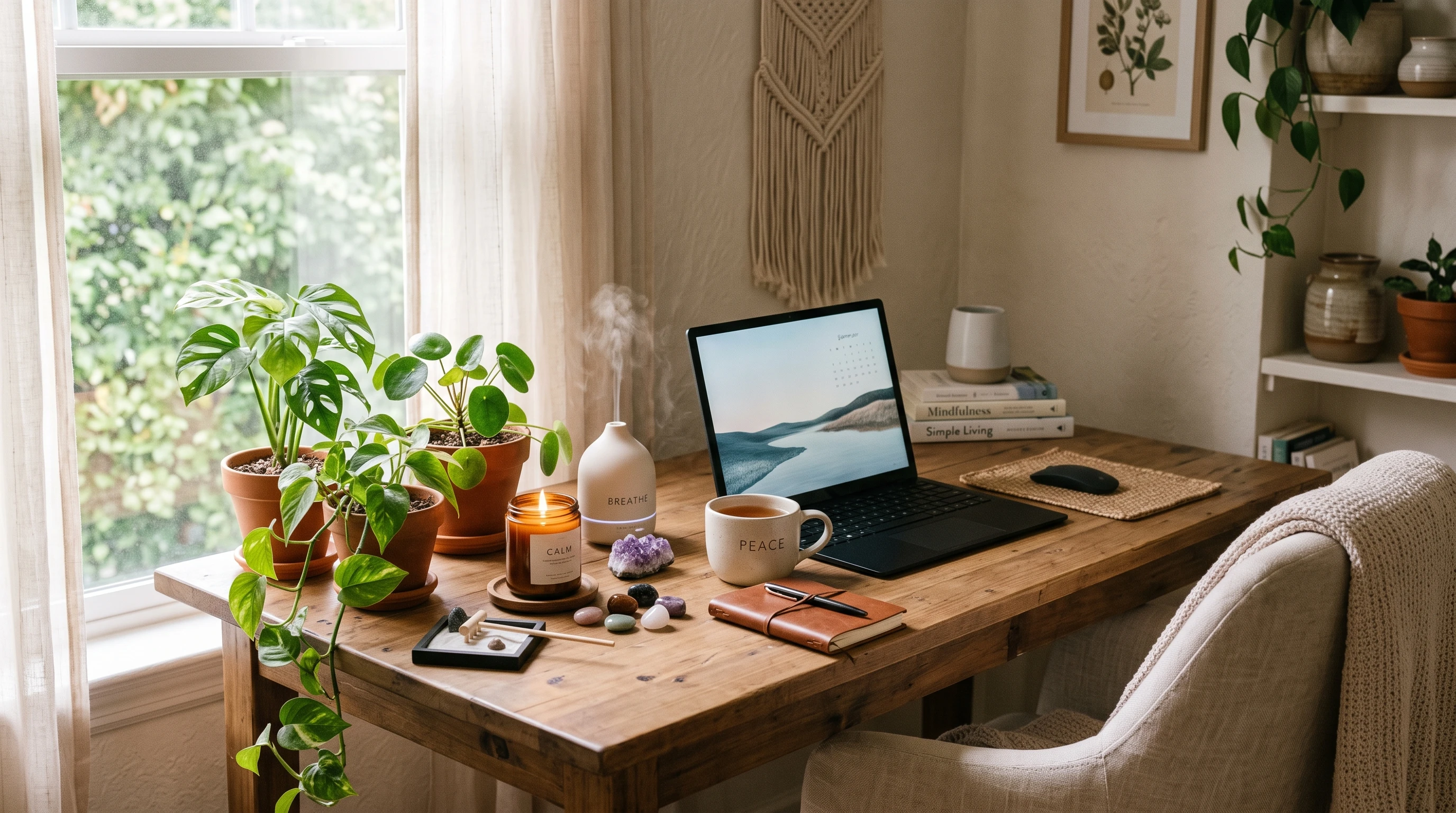
Everyone hits stress at some point; between work, family, and the million tiny daily annoyances, it piles up pretty quickly. Making a personal stress relief plan really helps take the edge off and keeps stress from running the show. I have found that when I actually write out a plan for handling stress, my days feel way more calm and manageable.
Even if you are not someone who gets overwhelmed easily, having a stress relief plan means you are ready for anything. We all have our own way what helps you and what doesn’t. It is personal to each of us. Remember, it is less about trying to eliminate stress completely and more about giving yourself tools to bounce back faster and feel better, even when life gets hectic.
This guide covers how I approach building a personal stress relief plan, including real tips you can start using right away. Whether you are juggling a busy schedule or just want better ways to unwind, you will find something here that works for you.
1. Figure Out Your Stress Triggers
Getting a handle on what actually stresses me out is always my first step. Sometimes it is a jam-packed day, sometimes it is stuff at home or money worries. Everyone’s triggers are a little different. Paying attention to your personal stress patterns makes it easier to tackle them directly.
Questions I Ask Myself:
- What situations or people really get my nerves buzzing?
- When in the day am I most likely to feel stressed?
- Are there certain topics or habits that always seem to make things worse?
- Do I notice stress showing up as headaches, stomach issues, or trouble sleeping?
Example Triggers:
- Back-to-back meetings or a packed calendar
- Feeling like there is not enough time for myself
- Arguments or negative people
- Too much time on social media
- Messy or disorganized spaces
Keeping a little journal, even if it is just your phone notes, can be pretty handy for tracking what sets off your stress and how you respond. The more you know, the better you can manage it. If you ever feel stuck figuring out triggers, try asking a friend or loved one for feedback; sometimes others spot patterns we can’t see ourselves.
2. Set Realistic Self-Care Goals
Self-care is a popular word, but it is only helpful if it is something you can realistically stick to. I like to break down my selfcare activities into small, doable steps because stress relief doesn’t happen overnight and you definitely don’t need a whole day at the spa to reset.
How to Pick Self-Care Habits That Work for You:
- Choose things that genuinely help you relax (not just what looks good on Instagram).
- Keep it simple; sometimes putting on chill music, stepping outside for fresh air, or making a cup of tea is all it takes.
- Aim for small daily habits over big, rare getaways. Consistency helps way more than intensity.
- Mix physical activities (like walking or stretching) with mental breaks (like meditation or reading).
Ideas for Self-Care Activities:
- Listening to music that lifts your mood
- Journaling about what’s on your mind
- Short walks outside, even if it’s just around the block
- Deep breathing or short guided meditations
- Laughing at a favorite TV show or podcast
Matching your self-care habits to what you actually enjoy and have time for makes it much more likely you will keep up with them. Don’t be afraid to swap habits in and out until you find what clicks best.
3. Build a Stress Relief Toolkit
Having a set of go-to techniques in your back pocket is really useful when stress starts creeping in. I call this my stress relief “toolkit”; it includes quick things I can do anywhere, anytime.
What I Include in My Toolkit:
- 3-minute breathing exercises (there are tons of free apps or YouTube videos for this)
- Positive affirmations or short reminders like “You’ve got this”
- A playjustforfun playlist
- A short stretch routine I can do at my desk
- Photos of favorite places or experiences on my phone
I keep these options simple, portable, and fast, so I don’t need special gear or a lot of time. Having these ready to go can seriously turn a tough day around. When I mix in breathing techniques or a quick playlist, stress often melts away faster than I’d expect.
4. Make Mindfulness Part of Your Routine
Mindfulness is just about being present and paying attention to the moment, instead of letting your mind spiral about the future or past. For me, even two minutes of focusing on my breath or tuning into my senses grounds me. Mindfulness isn’t about sitting cross-legged in silence all day; it’s about brief, meaningful moments of awareness throughout normal life.
Ways to Add Mindfulness Without Changing Your Whole Life:
- Count your breaths or notice how your feet feel planted on the floor
- Try a fiveminute body scan before bed or after waking up
- Pause and notice what you hear, smell, or feel when you’re outside
- Take mindful sips of your coffee or tea instead of scrolling on your phone
Even these tiny mindful breaks add up and make it easier to ride out stressful moments without letting them control the rest of the day. Over time, those moments build a solid buffer against stress and boost resilience in ways you can truly appreciate when challenges pop up.
5. Remove or Limit Everyday Stressors
Certain stressors are unavoidable, but a lot can be managed by making small tweaks to my daily routine. When I pay attention, I usually spot a few easy wins that keep stress lower. Even cutting out one or two small aggravations can add up to a much smoother week.
Easy Tweaks That Make a Difference:
- Limiting how often I check email or social media, especially first thing in the morning
- Setting boundaries around work hours and screen time
- Packing snacks or meal prepping to avoid lastminute hunger stress
- Decluttering one surface or drawer at a time to create calmer spaces
- Blocking off short breaks on my calendar for mini resets
Swapping out a few habits that usually ramp up stress, like doomscrolling or skipping meals, makes the whole day flow smoother. Consider setting time blocks for tasks or using calming reminders to support healthy routines.
6. Stay Flexible and Review Your Plan
What works one month might totally change another month, especially if life switches up (new job, kids, or big changes). I try to check in with my stress plan every couple of weeks. If something on my list isn’t actually helping anymore, I will swap it out so my plan still fits my life.
How I Keep My Plan Fresh:
- Review what tools or habits I am actually using
- Ask myself if I have noticed any new stress triggers
- Experiment with new activities if things feel stale
- Give myself credit for sticking with anything, even the small stuff
Stress relief isn’t about perfection; it is all about finding what helps and being willing to adjust as needed. If something feels stale or overwhelming, give yourself permission to let it go and try a new approach until you find what fits.
Common Questions & Everyone’s Troubleshooting Tips
What if I don’t have time for stress relief habits?
Even a couple of minutes scattered through the day can help. Try stacking stress relief on something you already do, like taking deep breaths while waiting for your coffee or stretching when you get up from your chair. These carve out little pockets of calm without taking extra time out of your schedule.
I never know what to do when I am stressed; how do I remember my plan?
- Keep your stress relief plan written down somewhere you will see it (like a phone note or sticky note).
- Set reminders for a daily check-in until it becomes routine.
What if nothing seems to help?
Sometimes stress gets so heavy, the usual tricks just aren’t cutting it. If you feel stuck or overwhelmed for more than a few days, it is worth reaching out to a professional, and there is zero shame in asking for support. You can also check out resources at your local health clinic for ideas or just here. I share a lot of potential tips that could help you. Sometimes even just talking it out with someone can make things feel more manageable.
Quick Action Plan: Getting Started With Stress Relief
- Write down three things that stress you out regularly.
- Pick two quick stress relief activities you can try this week.
- Keep your plan visible and tweak it as you go.
When I stick with these simple steps, I find it way easier to face stress head-on. Building your own stress relief plan is about finding what fits, making tweaks along the way, and giving yourself the space to recharge. What is one stress buster you are ready to add to your toolkit?
Conclusion
We all live in very stressful times, so it is important to take care of ourselves. Here comes personal stress relief that you could create and remake when needed. As it is your personal plan, that means it is going to be personal and made just for you. This way, it is better to manage stress, reduce it, and deal with it when it comes. I always keep telling you all we are different, and different ways and tips, methods can help you. What helps you may not help everyone. Just keep that in mind for better stress management and do your own stress relief plan.
What do you think about this article? Do you have any advice or suggestions? Please let us know your thoughts and write in the comment section below.
Meditation is always one of the best techniques for stress relief. CLICK HERE to learn more about it
I would like to hear from you, so please leave me a comment below to let me know if this article helped you.
If you want to know more about ways you can manage stress, please subscribe to this blog.
If you think this article is helpful, please share it.
Thank you! Have a nice day!
Until later
Linda Mo,
Founder and owner of How To Reduce Stress Naturally
This is really helpful and it has enticed me to identify my stress triggers. The primary one is that I feel that there are not enough hours in the day to complete daily tasks and also have time for a hobby, so the hobby gets left behind.
I actually need to set time to put down everything and leave it for tomorrow, otherwise you just keep working and we all know that there is always more work. This is the most difficult part for me.
Scheduling mini resets is also a great way to destress and one needs to actually set time aside for this by putting an alarm on ones phone or it doesn’t happen.
Hello, Michel! Nice to read it helps you. Just keep finding the right balance and the right way to manage stress for you. It is important to keep that in mind for all of us, Thanks!