
Sometimes when your mood is down, stress comes. It is easy for stress to cause us more problems than we need. This is why your mood is important, and this is why we are going to talk about creative journaling for stress relief. You can boost your mood and tell stress to just leave for a while with creative journaling. Sure, this is not a remedy that always works for everyone, so let’s explore it!
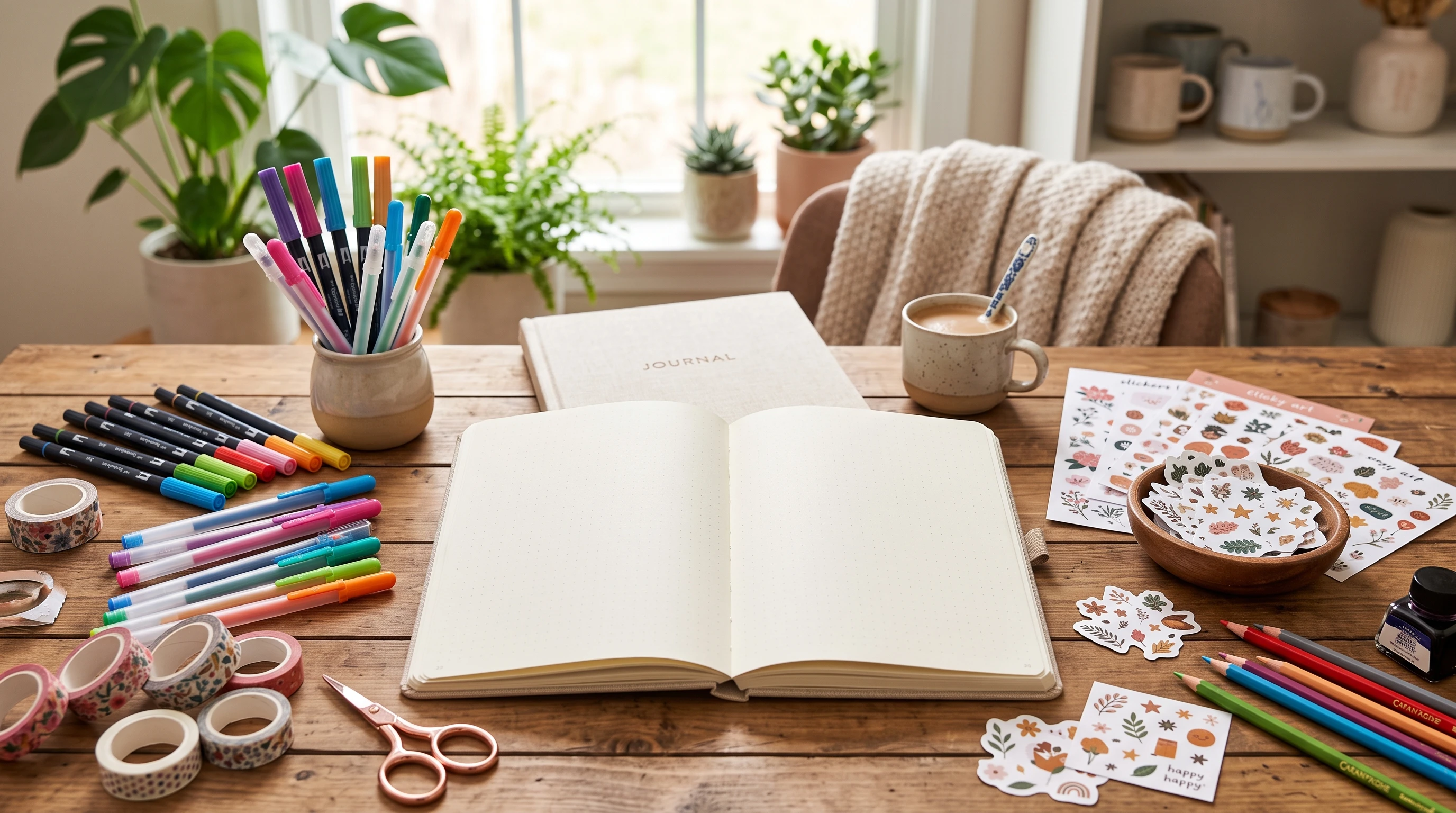
Welcome to Your Creative Journaling Guide!
Feeling overwhelmed or stressed? Creative journaling is a super useful way to help boost your mood and bring in more calm during tough times. I have been using journaling not only for self-expression but also to make sense of my thoughts when things get messy. Here you will find answers to common questions, creative tips, and steps for getting the most out of journaling for stress relief. If you are just starting out or looking to shake up your journaling practice, you are in the right spot.
Getting Started With Creative Journaling
What is creative journaling?
Creative journaling is a relaxed way to record your thoughts and feelings using a mix of words, doodles, colors, and even cut-and-paste collages. It is about finding your own style, making space for honest self-expression, and not worrying about the right way to do it. I like using colorful pens, stickers, and washi tape, but regular notebooks and a pen work great too. If you ever feel unsure about what to write or draw, just let your hand go and see where your mind leads you. Feeling stuck sometimes is normal and can even help you stumble upon fresh ideas! Sometimes I use magazine clippings, stamps, or bits of ribbon to give pages a playful twist.
Do I need special supplies to start?
Not at all! Some people love fancy journals and art supplies, but starting with any notebook or even loose paper gets the job done. If you want to get more creative, things like markers, colored pencils, or glue sticks for collages can help you shake up your routine. It really boils down to making journaling feel inviting, so choose what sounds fun to you. You might also add things like ticket stubs or leaves from a walk—get creative with whatever you have around.
How much time should I spend journaling for stress relief?
Even five to ten minutes a day helps, especially if you are just using your journal to unwind. I often write in mine during the evening before bed, which helps me sleep better. There is no set rule; find what fits your schedule and mood. Some days you might only have a minute to jot down a thought, while other times you could fill several pages. Over time, you will find your own rhythm. For example, I used to write a lot; now I write less and shorter.
Creative Ideas and Prompts for Mood Boosting
What are some creative journaling exercises for stress relief?
- Gratitude Lists: Write down three to five things you are grateful for. Even small stuff counts.
- Mood Mandalas: Draw a circle and fill it with patterns or colors based on your emotions.
- Stream of Consciousness Writing: Set a timer and write whatever comes to mind for five minutes, no rules, no editing.
- Vision Boards: Glue in magazine clippings or photos that make you feel happy or inspired.
- Letter Writing: Write a letter you will never send to someone or something causing you stress. Rip it out if you need to let go.
- Daily Mood Trackers: Draw a grid or circle for each day and fill in with the color that matches your feelings. After a while, you will have a visual snapshot of your emotions.
How can doodling or art add to journaling for stress?
Doodling can be really calming. I find even simple shapes and lines can help me focus and distract my mind from worries. Sometimes I just fill a page with patterns or color blocks. There is no right or wrong; if it makes you feel better, you are doing it right. Some journalers like to paste in inspiring images or sketch out what is on their mind. Adding color, texture, and images livens up the journal and lets your feelings spill onto the page in fun, new ways.
Are there prompts that specifically help with stress relief?
- What is one thing I wish I could let go of right now?
- If my mood was a weather forecast, what would it be and why?
- Draw or describe a place where I feel calm and safe.
- Write about a recent challenge. What did I learn?
- Make a playlist of songs that switch up your mood; draw or list them here.
- Write down the little victories from today, no matter how small.
- Recall a memory where you felt at peace. What sights, sounds, and scents do you remember?
Personalizing Your Journaling Practice
How do I keep up with journaling when I’m busy or stressed?
Small, regular sessions work best when routines get hectic. I set my journal on my nightstand, so it is easy to pick up. If I skip a day, I don’t stress it. Giving yourself permission to come and go makes it easier to stick with. Some people like to put reminders on their phone or pair journaling with habits they already do, such as sipping morning coffee or winding down at the end of the day.
Can I use digital journals or apps for creative journaling?
Absolutely! Many people use apps like GoodNotes, Notion, or even the basic notes app on their phone. Some digital journals let you add photos, voice notes, or drawings, which is pretty handy if you are always on the go. Just try different options and see what clicks for you. The key is to make journaling fit your lifestyle, whether that is digital or paper.
How do I know if creative journaling is working?
It is about how you feel. After a session, maybe your mind feels a little lighter, or your worries are less in-your-face. Journaling builds self-awareness over time, so you might notice changes like sleeping better, feeling less tense, or having an easier time naming your emotions. Some people notice results in days; others need a few weeks. Tracking these changes in your journal, like mood shifts or sleep improvements, can clue you in to what’s working best for you.
Tips for Consistency and Motivation
How can I stay motivated to keep journaling?
I like mixing up my approach with stickers, colored pens, or new prompts. Sometimes, you could ask friends if they want to share their favorite prompts or trade journals for inspiration (no peeking at private pages, of course). Sticking to a specific time each day, for example after lunch or before bed, also helps make it second nature. Some people set short-term goals, like filling a page each week or trying a new color each day, to keep the spark alive.
What if journaling makes me feel worse?
Sometimes, heavy topics come up that leave you feeling raw. It is totally okay to take a break or switch to more uplifting prompts (like gratitude lists or happy memory reflections). If stress or tough emotions keep getting more intense, it is worth talking to a counselor or mental health pro who can give you more support. You could also pair journaling with deep breaths, gentle music, or a calming cup of tea to get grounded before writing.
Conclusion
For stressful times, it is important to think about your mood, and that could make all the difference. If you are feeling positive, stress cannot be here. Journaling is a great way to reduce the stress you are feeling. It is great for our mind and well-being
If you are interested in more creative journaling, read the articles posted here over the years. There is a huge community of journalers who share ideas online, so you’ll never run out of fresh inspiration. Remember, journaling is for you, and there are lots of different ways to make it work in your life.
What do you think about this article? Do you have any advice or suggestions? Please let us know your thoughts and write in the comment section below.
Meditation is always one of the best techniques for stress relief. CLICK HERE to learn more about it
I would like to hear from you, so please leave me a comment below to let me know if this article helped you.
If you want to know more about ways you can manage stress, please subscribe to this blog.
If you think this article is helpful, please share it.
Thank you! Have a nice day!
Until later
Linda Mo,
Founder and owner of How To Reduce Stress Naturally