Today, we are going to talk about holistic approaches to stress reduction. We are living in a world where there is too much stress, anxiety, and worry. It is important to look at stress reduction as a complex process, and holistic approaches are a great way to deal with stress in our lives and find ways to enjoy our lives more. Holistic approaches are something that is smarter and more efficient to do while dealing with stress. Let’s see what we can do in this situation!
Stress isn’t just a quick flare of frustration. It has a sneaky way of creeping into every corner of life, affecting both the body and mind. There is this constant undercurrent, affecting how we feel, behave, and interact. But let’s get real—it is not just about feeling overwhelmed.
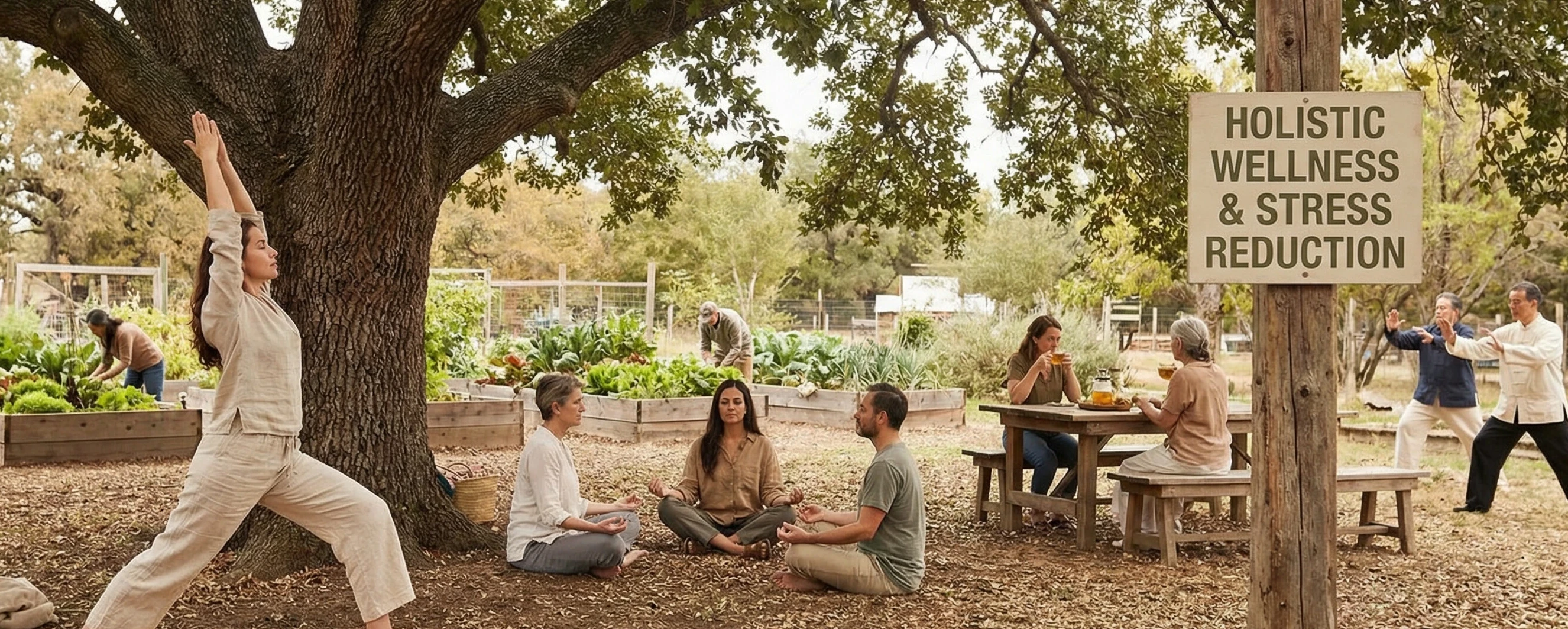
Stress isn’t all bad. A little tension is natural, even helpful, in those high-pressure moments. But the chronic kind? That is where things get tricky and harder to deal with. Tallied up over time, it chips away at you, leaving marks in the form of headaches, anxiety, and sometimes, even more serious issues.
A holistic perspective changes the game. It looks at the bigger picture—the mental, physical, and social dimensions. This approach ditches the one-size-fits-all solutions and tailors stress management to fit unique lifestyles and personal circumstances. It is about finding balance at the core.
Culture and lifestyle matter, big time. Different backgrounds mean different stressors and different coping mechanisms. What works for one might not work for another, and that’s okay. It’s all about discovering what fits and making it work for you. Whether it’s slight lifestyle tweaks or major overhauls, understanding stress through this lens can make a world of difference.
Mindfulness Practices: The Power of Present Moment Awareness
Mindfulness is like hitting pause on life’s chaos. It is all about dialing down the noise and focusing on the here and now. This state of awareness helps to cut through stress by grounding us in the present, reducing the overpowering past regrets or future worries that often spike anxiety.
Some classic mindfulness techniques have stood the test of time. Meditation is the big hitter here, where you can start with just a few quiet minutes a day, focusing on breathing or a single word. Deep breathing itself is powerful too, calming the nervous system and bringing clarity to a clouded mind.
Science backs this up. Numerous studies show how mindfulness reduces stress, boosting both mental and emotional well-being. It is not some abstract theory but a proven approach, producing real changes in how we handle daily pressures.
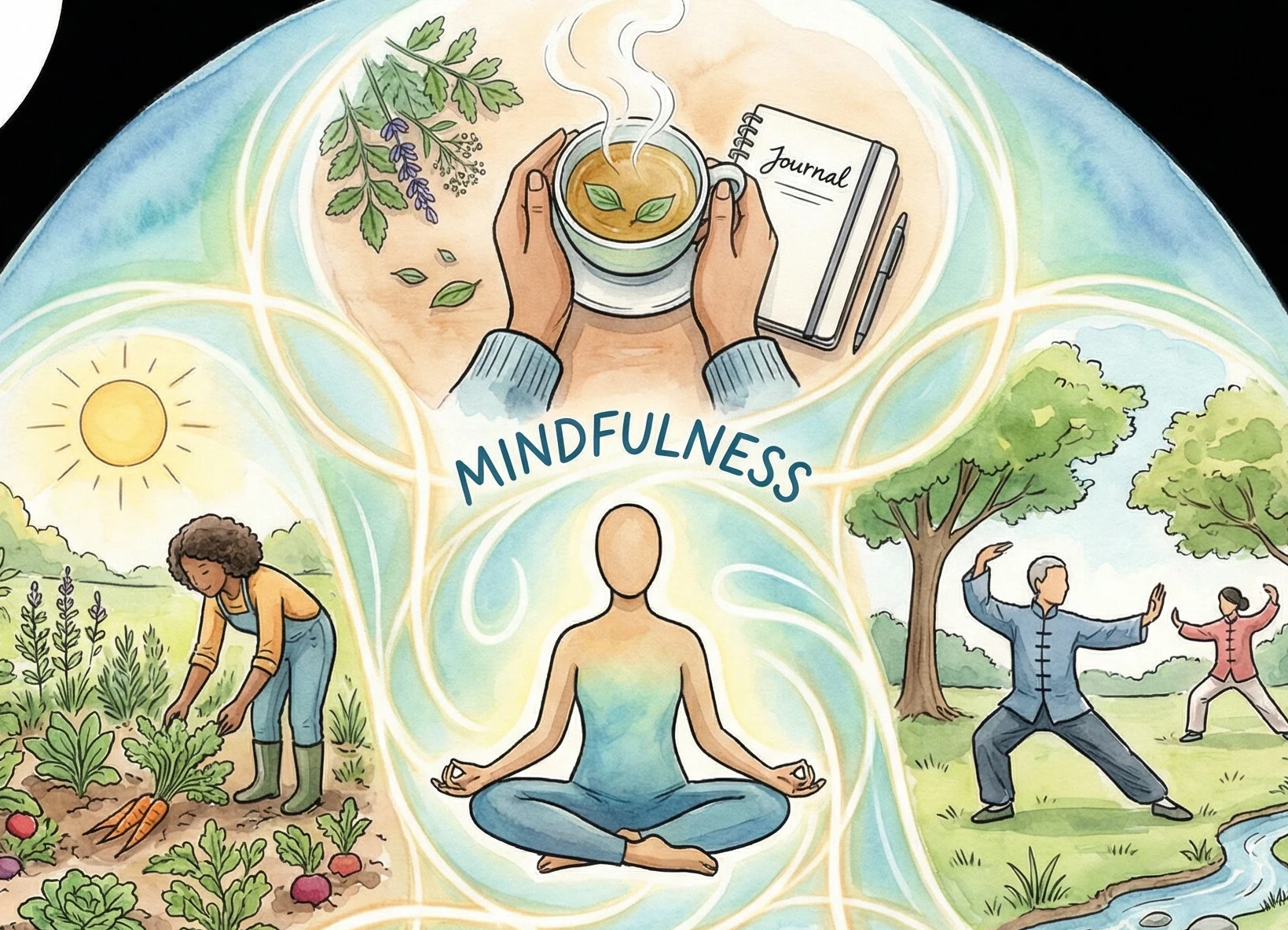
The beauty of mindfulness is that you don’t need hours of free time or silent retreats to practice. Sneak in moments of mindfulness throughout the day. Waiting in line? Focus on your breathing. Walking to work? Notice the sensations in your feet. These tiny shifts in awareness stack up, transforming how we navigate through stress.
If you want to add meditation to your stress relief approach, CLICK HERE
Nourish Your Body: Nutrition and Physical Activity’s Role in Stress Reduction
When stress hits, what we eat can make a massive difference. Ever notice how some foods leave you sluggish while others pick up your vibe? What you put in your body directly influences stress levels, affecting everything from energy to mood.
A diet rich in whole foods—think vegetables, fruits, lean proteins, and whole grains—serves as a powerful anchor amid life’s storms. These foods fuel the body, helping stabilize those erratic emotional tides. Going easy on caffeine and sugar is also a game-changer. While they may provide a temporary boost, the crash afterward isn’t worth the trouble.
Physical activity, in the midst of stress, often becomes a forgotten ally. Exercise releases endorphins, which are natural mood lifters. The beauty of exercise is its adaptability. It can be a hard-hitting gym session or a calming yoga class, but regular movement keeps stress in check.
Let’s not ignore the potential benefits of natural supplements and herbs. Things like omega-3 fatty acids and valerian root have found their place in many stress-management toolkits. But think of these as supportive players, not replacements for a balanced diet and exercise routine.
Establishing a routine combining healthy eating and regular physical activity creates a strong foundation against stress. It is about finding what fits smoothly into your life and sticking with it, making it a natural part of your day rather than a chore. Little by little, these efforts build resilience, offering calm and clarity when the pressure mounts.
Emotional and Social Support: Building Resilience
Emotional resilience is that inner strength that lets us bounce back when things get rough. It is not something you either have or don’t—it is something you build over time. Key to developing this resilience is emotional and social support, which provides the safety net where you can confidently face life’s challenges.
Having a solid network is crucial. Friends, family, even colleagues, they are the ones who offer that ear to listen or shoulder to lean on. But it is not just about having people around; it is about nurturing meaningful connections where you give and receive support.
Therapy and counseling aren’t just for those burning moments of crisis. These options provide tools to gain insights, develop coping strategies, and foster greater emotional intelligence. It is about equipping yourself with skills to handle stress before it escalates into a bigger issue.

Practical strategies for fostering emotional well-being include setting boundaries to protect your peace, engaging in activities that bring joy, and practicing gratitude daily. And while this support starts with others, it extends to self-care. Treat yourself with the kindness and understanding you would offer a close friend.
Building resilience through emotional and social support isn’t a solo journey. It is about staying connected in a way that feels rewarding, allowing us to face challenges with a bit more ease and confidence.
Conclusion
Holistic approaches to stress reduction is important thing to remember if you want to live a less stressful life and have an easier way to deal with daily stress. It is not just one thing that can help you with stress relief; it is a system that can help you deal with stress more effectively.
What do you think about this article? Do you have any advice or suggestions? Please let us know your thoughts and write in the comment section below.
Meditation is one of the amazing tools for stress relief. CLICK HERE to learn more about it
I would like to hear from you, so please leave me a comment below to let me know if this article helped you.
If you want to know more about ways you can manage stress, please subscribe to this blog.
If you think this article is helpful, please share it.
Thank you! Have a nice day! Until later
Linda Mo
Founder and owner of How To Reduce Stress Naturally