We all want to be healthy and be able to deal better with stress coming our way. There are also supplements because we cannot always take all the needed nutrients with food. So today we talk about how to combine vitamin B1 with other nutrients.
Most of us know how important for our health is vitamin B1 and surely it can help with stress that can negatively impact our health and well-being.
Vitamin B1, also known as thiamine, is a key nutrient that helps keep your body’s nervous system running smoothly and supports your body’s ability to handle stress. When life gets busy or overwhelming, combining thiamine with other vitamins and minerals can actually make a difference in how you feel daily. This is something I have experimented with myself, and I have definitely noticed the benefits.
If you are looking for ways to boost your stress resilience, understanding how to pair vitamin B1 with other nutrients is super useful. There are a few strategies and combinations that I have found to work especially well. Here is how to get started.
Do you want to use vitamin B1? CLICK HERE to get it
Why Vitamin B1 Is Important for Stress Relief
Vitamin B1 plays a pretty important role in turning the food you eat into energy and supporting your brain and nerves. When you are stressed, your body actually uses up more B vitamins, especially B1, so keeping your levels topped up can help.
- Maintains healthy nerves: Thiamine helps your body handle stress signals smoothly, so you don’t feel quite so frazzled.
- Supports energy: When your energy is steady, you are more likely to cope better with busy days and stress triggers.
- Works with other nutrients: Your body absorbs and uses B1 better when it is taken with a mix of other vitamins and minerals. That is why smart combinations matter.
If stress is making you feel tired, foggy, or jittery, B1 might help level things out, especially when it is combined thoughtfully with other nutrients.
Pairing Vitamin B1 with Other B Vitamins
The B vitamin family works like a team. I have noticed better stress relief when I use B1 as part of a full B complex. Here is why:
- B2 (Riboflavin): Boosts energy production and protects cells from stress-related damage.
- B3 (Niacin): Supports brain health, keeps mood balanced, and aids in energy release.
- B5 (Pantothenic Acid): Known as the “anti-stress vitamin” because it helps regulate cortisol, the stress hormone.
- B6 (Pyridoxine): Supports the production of serotonin and dopamine, which affect mood and relaxation.
- B12 (Cobalamin): Keeps your nervous system sharp and can help with memory and concentration when life feels overwhelming.
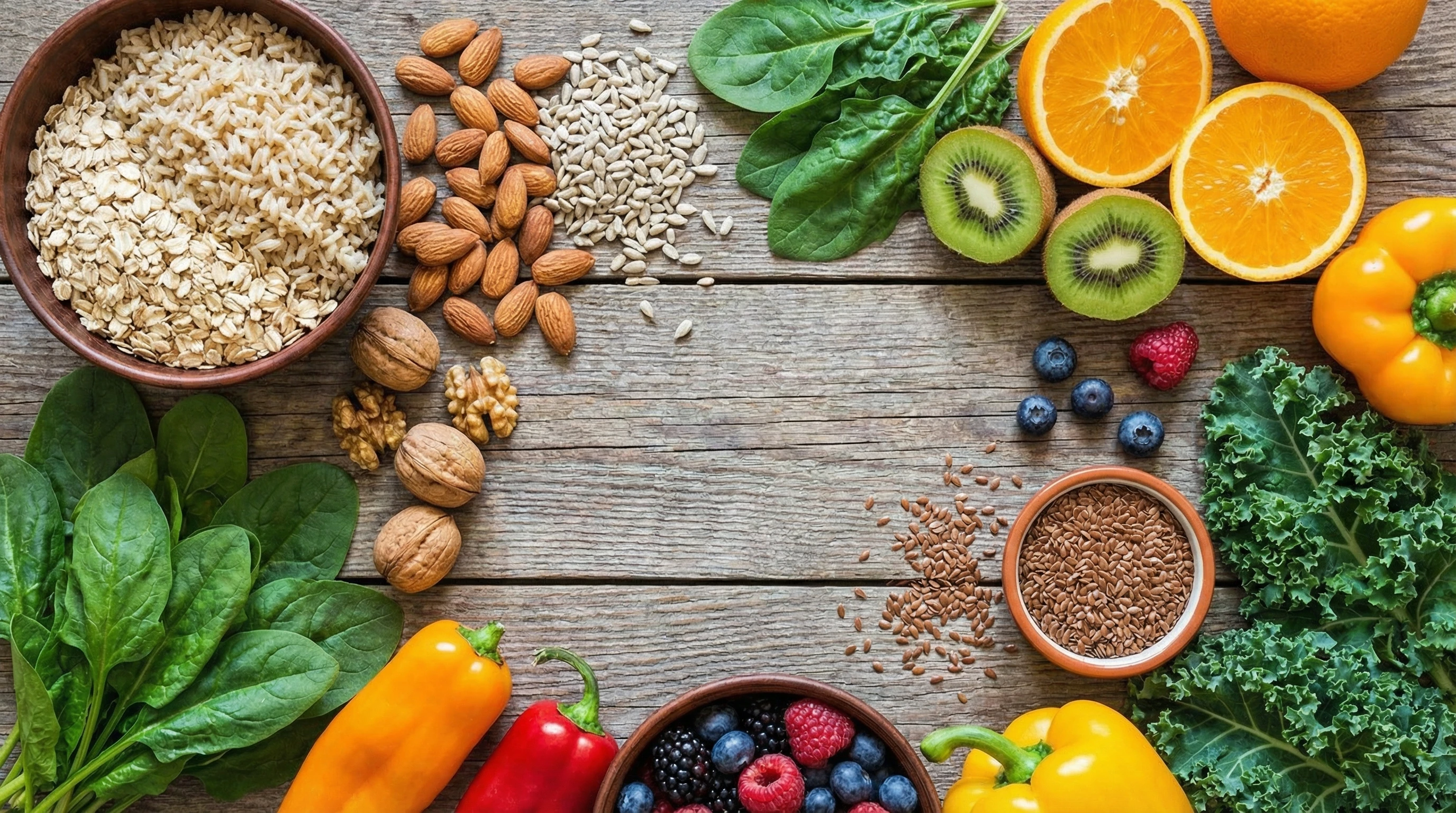
So, stacking B1 with a balanced B complex supplement is one of the easiest ways to support your whole stress response. This combo is found in multivitamins or special “stress support” blends, but you can also get all these from foods like whole grains, beans, seeds, eggs, and leafy greens.
It is also worth mentioning that the body’s need for B vitamins can go up when you are mentally or physically active. During periods of intense work, travel, or emotional strain, a B complex can give a real boost to your mood and energy. Many people who feel sluggish or moody during stressful periods report improvements when they add a complete spectrum of B vitamins to their routine.
Adding Magnesium for a Calming Effect
Magnesium works together with vitamin B1 to calm your nerves and muscles, which comes in handy if you are feeling on edge. I reach for magnesium-rich foods or a supplement when I am having a hectic week.
- Why it matters: Magnesium is used up quickly in stressful times, just like vitamin B1.
- How it helps: It helps to relax muscles, steady the heartbeat, and even improve sleep quality, all things that are really important when stress is high.
- Getting enough: Nuts, seeds, spinach, whole grains, and dark chocolate are tasty ways to get more magnesium with your vitamin B1 meals.
If you want to supplement, magnesium glycinate or magnesium citrate forms are often gentle on the stomach and easily absorbed. Combining these with vitamin B1 can make a real difference if you are sensitive to stress.
People who include enough magnesium in their diet commonly report less muscle tension, better sleep, and a greater ability to handle daily stress. Some people find a warm bath with Epsom salts, which contain magnesium, helps the body relax before bedtime as well.
Combining Vitamin B1 with Vitamin C
Vitamin C isn’t just good for immunity; it is also a solid stress-fighter that teams up nicely with B1.
- Reduces stress hormones: Vitamin C can keep your body’s stress hormones, like cortisol, in check when paired with B1.
- Boosts recovery: If you are under a lot of pressure from work, school, or daily life, this combo helps your body bounce back faster.
- Everyday sources: Oranges, strawberries, red peppers, and broccoli make a great match with B1-rich foods.
Try eating vitamin B1 sources (like brown rice or sunflower seeds) with a Crich snack, or take both together in a daily supplement.
Adding vitamin C also brings antioxidant support, which can help protect your cells during stressful situations. Anyone dealing with colds, allergies, or inflammation under stress will benefit from keeping vitamin C as part of their daily intake. Paired with thiamine, it supports faster recovery and smoother mood regulation.
Smart Pairings: Zinc and Omega-3 Fatty Acids
There are a couple of other nutrients to keep on your radar for stress relief, especially when you are pairing them with vitamin B1. These two have made a real difference for me:
- Zinc: Essential for proper brain and immune function. A deficiency can make you feel more anxious or worn out. Sources like pumpkin seeds, chickpeas, and nuts are quick and easy to add to meals.
- Omega3 fatty acids: Found in fish oil, chia seeds, flax, and walnuts. They help smooth out mood swings, lower bodily inflammation, and support healthy brain function when paired with B1.
Combining vitamin B1 with zinc and omega-3s has helped me keep my head clearer through tough times. You don’t always need a big stack of pills; sometimes just a few tweaks in your meals do the trick.
For more balance, make sure you have a solid mix of seeds, nuts, fish, and legumes throughout the week. If you don’t eat much seafood, consider a daily omega3 supplement and add more plant sources of zinc, such as lentils or fortified cereals. People who consistently include these nutrients tend to notice improved focus, less “brain fog,” and an easier time staying calm during stressful situations.
How to Take Vitamin B1 and Other Nutrients for Stress
Timing Tips
- It is totally fine to take vitamin B1 and a B complex in the morning with breakfast. This helps set you up for steady energy throughout the day.
- Pair any B vitamin supplements with healthy fats (like avocado or nuts) for better absorption.
- Magnesium is best in the evening or before bed, since it can help you wind down for a good night’s sleep.
How Much Is Enough?
Most adult multivitamins have between 1.1 mg and 1.5 mg of vitamin B1, which covers typical daily needs. If you are dealing with extra stress, a B complex usually offers higher amounts safely, but it is smart to check with a healthcare provider before increasing your dose.
Single-ingredient B1 supplements are also available and may be useful if you have a doctor-recommended need for more thiamine (such as after illness, or if you follow a restricted diet). Always start with the lowest effective dose and build up as needed under professional guidance.
Common Pitfalls and Troubleshooting
What if I feel jittery or wired?
Sometimes B vitamins can boost your energy a little too much, especially if you are starting with a higher dose. If you feel restless or jittery, try lowering the amount and make sure you’re not taking your B vitamins with lots of caffeine. Also, drink plenty of water throughout the day.
Can I get these nutrients from food instead?
Honestly, getting B vitamins, vitamin C, magnesium, zinc, and omega-3s from food is a great approach. Whole grains, beans, nuts, seeds, leafy greens, oily fish, and citrus are packed with nutrients that work together for stress relief. Supplements fill in gaps but shouldn’t replace a balanced diet.
Cooking at home when possible helps you keep a closer eye on what nutrients you are getting. Try prepping snacks like trail mix with nuts and seeds, grain bowls loaded with beans and veggies, and smoothies with spinach and berries for a nutrient-dense punch. If you skip meals or have a highly variable schedule, consider a quality daily multivitamin as a backup plan.
Final Thoughts. Building Your Stress Relief Routine
Supporting your stress response with vitamin B1 doesn’t have to be complicated. A balanced approach using B1, other B vitamins, magnesium, vitamin C, zinc, and healthy fats works best. Pay attention to how your body reacts, and make changes that fit your routine and needs. Remember, consistency over time is key, not just short bursts when you are feeling overwhelmed.
It is a good idea to track your mood, energy, and stress levels for a couple of weeks when adding new nutrients or supplements. Doing this helps you spot what really works for you, so you can fine-tune your approach and feel your best even during life’s busiest stretches.
Your Action Plan
- Start your day with a B complex vitamin and a healthy, balanced breakfast.
- Add foods rich in magnesium, vitamin C, zinc, and omega-3s to meals throughout the day.
- Keep track of how stress affects your body and tweak your nutrient intake as needed.
If you have tried pairing B1 with other nutrients for stress relief, or if you have questions about your supplement routine, feel free to share your experience below! Taking small, steady steps to improve your nutrition can have a big impact on how you manage stress over time.
Conclusion
As we know, vitamin B1 and other types of vitamins and nutrients are needed for our health and can help us to be more resilient when facing stress in our lives. Hopefully, this article gave you more ideas on how to combine vitamin B1 with other nutrients for optimal stress relief.
What do you think about this article? Do you have any advice or suggestions? Please let us know your thoughts and write in the comment section below.
If you want to use vitamin B1? CLICK HERE to get it
Meditation is one of the best ways to reduce stress. CLICK HERE to learn more about it
I would like to hear from you, so please leave me a comment below to let me know if this article helped you.
If you want to know more about ways you can manage stress, please subscribe to this blog.
If you think this article is helpful, please share it.
Thank you! Have a nice day! Until later
Linda Mo
Founder and owner of How To Reduce Stress Naturally