
Today, we are going to explore how vitamin C can help with stress management. Vitamin C is a powerful antioxidant that can really be helpful for your health and, for sure, stress management. Let’s explore!
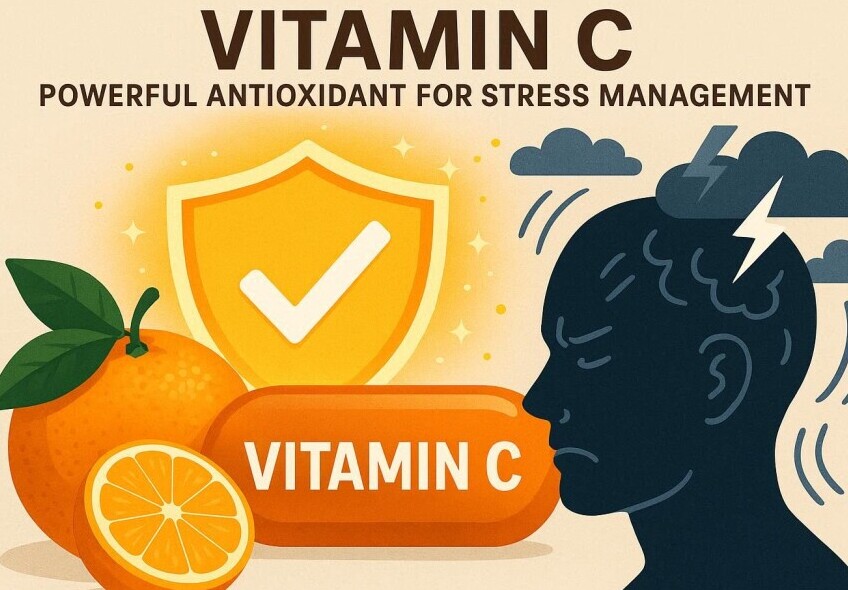
Vitamin C, also known as ascorbic acid, plays a starring role when it comes to health. This nutrient is vital, but let’s clear up any confusion: you can’t produce it yourself, so you gotta get it from your diet or supplements. Known for its antioxidant properties, vitamin C is key for keeping the immune system humming, collagen production, and even helping wounds heal faster.
Sources of Vitamin C
Natural sources of vitamin C are everywhere. Fruits like oranges, strawberries, kiwi, and grapefruit are great, not to mention veggies like broccoli, Brussels sprouts, and bell peppers. Aim for at least 65 to 90 milligrams a day, which is pretty easy if you are munching on those colorful foods.
Now, here comes the truth bomb: a lot of people think they are getting enough vitamin C just because they have a glass of orange juice in the morning. But hold up—it is more about incorporating a variety of these foods into meals throughout the day.
For your immune system, vitamin C is like that essential sidekick in a superhero movie. It helps protect cells from damage, supports the function of both the innate and adaptive immune system, and when your body is under attack, it helps regenerate other antioxidants like vitamin E. Without enough vitamin C, you are not getting the ally you need in the immunity department.
It is not uncommon to stumble upon misconceptions about this mighty vitamin. Some people believe in loading up on vitamin C when they catch a cold, but while it may not zap the cold away instantly, regular intake can help reduce the duration and severity of symptoms. The real power comes from consistent, daily intake, keeping your defenses strong day in and day out.
Antioxidant Properties of Vitamin C: Fighting Stress at the Cellular Level
Antioxidants might sound like a buzzword, but these little warriors are your best friends when it comes to fighting oxidative stress. Vitamin C is one of the top contenders here, swooping in to neutralize free radicals—those pesky molecules that can wreak havoc on our cells.
Think of oxidative stress as your body’s version of being stressed out after a long week. When too many free radicals take over, they damage cells, which can speed up aging and lead to various health problems. Vitamin C steps in to fight this stress, keeping your cells healthier for longer.
Studies…
Scientific studies highlight how regular vitamin C intake can reduce oxidative stress levels, helping people maintain not just physical health but also mental resilience. This connection between cell health and stress management shows just how interconnected our bodies really are.
Research has even shown that individuals with higher vitamin C levels experience less oxidative damage. Real-life stories back this up, too—people report feeling more energized and less weighed down by stress when they get enough of this potent vitamin. It is like giving your cells a well-deserved spa day.
To make full use of these antioxidant powers, consider a balanced diet full of vitamin C-rich foods rather than relying solely on supplements. The goal is to provide consistent support to your cells rather than quick fixes. This way, you are always a step ahead in the stress-fighting game.
If you want some vitamin C for stress management, CLICK HERE to get it
Vitamin C and Mental Well-being: Stress Relief and Mood Enhancement
There is a lot more to vitamin C than just fighting off physical stress. This mighty vitamin also plays a crucial role in maintaining mental well-being. It influences the brain’s chemical balance, impacting serotonin production, which is often dubbed the “happiness hormone.” When those serotonin levels are right, we are talking better mood and less anxiety.
People frequently underestimate how vitamin C can help improve mental health by keeping neurotransmitters in check. Neurotransmitters are the brain’s messengers, and when they are out of whack, they can send signals that leave you feeling stressed or gloomy.
Changes in Mood
Studies have shown a connection between vitamin C intake and mood improvement. There is even research suggesting that those with higher vitamin C levels tend to be less anxious and stressed. Just imagine swapping some of that daily stress for a sense of calm by adjusting your diet.
People around the globe are sharing how upping their vitamin C has transformed their stress management. By adding more vitamin C-rich foods into their diets, many experience a natural boost in mood and overall mental clarity.
To make the most of vitamin C’s benefits, try to include a variety of sources in your meals. This could mean snacking on citrus fruits or tossing bell peppers into your stir-fries. The key is to keep it simple and consistent to help those happy hormones do their thing.
Incorporating Vitamin C into Your Daily Routine for Optimal Health
Making vitamin C a part of your everyday life doesn’t have to be complicated. Simple tweaks to your daily habits can ensure you’re getting enough. Start by keeping it natural and fresh. Think about adding a glass of freshly squeezed orange juice at breakfast, or munching on a kiwi during snack time.
What else can you do to get more vitamin C in your system?
1. Working vitamin C-rich foods into meals is simple. Try adding strawberries to your morning cereal or along with your lunchtime salad with some colorful bell peppers. These changes make it easier to get your vitamin C fix without overthinking it.
2. Supplements can be an option if needs aren’t met through diet alone, but it’s best to consult with a health professional to find out what is right for you. They will give the lowdown on the right dosages and avoid any unwanted side effects or interactions.

3. To truly benefit from vitamin C, pair it with other healthy habits. Regular exercise, plenty of water, and good sleep hygiene can amplify its positive effects, creating a holistic approach to stress management and well-being.
Stay mindful of your body’s signals. If you are noticing signs of fatigue or higher stress levels, it might be worth evaluating your vitamin C intake as part of a broader health check. This proactive approach can lead to better management of stress and a brighter, more energized you.
Conclusion
Many of us know that vitamin C is great for health and can help when we get sick, but this time we talked about how vitamin C helps with mood and stress management. Honestly, it is amazing how it can help us. Eating healthy is important, and taking additional supplements if needed. But before that need to remember to consult with your doctor.
What do you think about this article? Do you have any advice or suggestions? Please let us know your thoughts and write in the comment section below.
Meditation is always great for you. CLICK HERE to learn more about it
I would like to hear from you, so please leave me a comment below to let me know if this article helped you.
If you want to know more about ways you can manage stress, please subscribe to this blog.
If you think this article is helpful, please share it.
Thank you! Have a nice day! Until later
Linda Mo
Founder and owner of How To Reduce Stress Naturally