Today, we are going to explore how to create a daily relaxation routine. We surely have stressful lives, and pretty often we seem too busy, but daily relaxation is so needed for our well-being and stress levels.
As an Amazon Associate, I earn from qualifying purchases
If you are juggling a busy schedule or just feeling the weight of everyday stress, having a daily relaxation routine can be pretty handy. Relaxation isn’t something reserved for vacations or spa days; it is actually worth making time for every single day. Building this habit can help you manage stress, keep your mood more balanced, and even make it a bit easier to sleep at night. With stress affecting both our minds and bodies, cultivating small daily relaxation rituals can add up to big changes over time.
I have tried out lots of different routines in my own quest for chill, and what I have found is that the trick is to make your routine personal and easy to stick with. Here is what goes into building a daily relaxation routine that really works, and why it is worth checking out for stress relief and overall well-being. If you are curious about customizing your own relaxation habits, keep reading for ideas that can fit into almost any schedule or lifestyle.
Step 1: Figure Out What Relaxation Means for You
Relaxation isn’t one size fits all. Some people love quiet time with a book, while others prefer gentle stretching, listening to music, or even doodling. Before you start planning a routine, it helps to know what actually calms you down and helps you reset. Think about the activities that make you breathe a little easier and feel less tense—these are the ones to use as your foundation.
Questions to Consider:
- When in your day do you usually feel the most stressed?
- How much time can you realistically set aside for relaxation?
- What activities help you feel genuinely calm (not just distracted)?
- Do you need total quiet, or do you enjoy background sounds?
Example Relaxation Goals:
- Take five minutes to focus on mindful breathing after lunch.
- Set aside time for a calming hobby like drawing, knitting, or gardening.
- Listen to calming music or nature sounds before bed.
- End your day with a five-minute body scan meditation.
Matching your routine to what actually relaxes you makes it way more likely you will do it regularly. So, track down which activities feel most restorative and experiment with them until you find a good fit for your daily rhythm.
Step 2: Set a Consistent Time for Relaxation
Picking a regular time for your relaxation routine can make a big difference. When relaxation becomes part of your day, just like brushing your teeth, you are less likely to skip it. Research shows that routines help create strong, positive habits, which add up to a more consistent sense of calm over time, improve mental health, and help with anxiety and stress.
Tips for Scheduling Your Relaxation Practice:
- Try adding five or ten minutes of relaxation to the start or end of your day.
- Block out a short break after lunch or during midafternoon when stress usually creeps in.
- Set a reminder on your phone or leave a sticky note where you will see it.
- If your schedule varies, choose a flexible anchor, such as after your evening shower or once you turn off your laptop.
Even short sessions can have a real impact, so no need to dedicate an hour; consistency is what matters most. If your life changes week to week, find small windows of time that usually stay the same, and use those moments for a quick relaxation break.
Looking for some products for relaxation? CLICK HERE to find out
Step 3: Choose Core Relaxation Activities
Trying to do too much can make your routine feel like one more thing on your to-do list. I like to start with one or two favorite ways to unwind, then experiment with new ideas over time. Overloading your relaxation practice can actually add stress, so simplicity is your friend here.
Relaxation Habits Worth Checking Out:
- Breathing Exercises: Even two or three minutes of slow, intentional breathing can calm your mind and body. Try box breathing or simply inhale deeply and exhale slowly.
- Progressive Muscle Relaxation: Tighten and release muscles, working head to toe, to let go of tension. This can tune you into where you are holding stress physically.
- Gentle Movement: Yoga stretches, tai chi, or even just a slow walk can be super relaxing.
- Meditation: Guided apps can walk you through short meditations if you are new to the practice. Mindfulness practices like noticing your thoughts without judgment can be surprisingly calming.
- Visualization: Picture a peaceful place or a happy memory for a few minutes. Let your mind wander somewhere soothing to create a sense of ease.
- Journaling: Getting your thoughts out on paper can help unload stress and clear mental clutter.
- Creative Activities: Adult coloring books, knitting, or playing music let your mind shift gears and pause stressful thoughts.
Example:
I like to follow up a stressful work call with five minutes of deep breathing. On busy days, I keep it simple: just put my phone on silent, close my eyes, and focus on my breath until I feel more centered. Sometimes, I add in a bit of gentle stretching for my neck and shoulders, which can help work out tension lingering from a long day at the desk.
Step 4: Make Your Space Relaxing
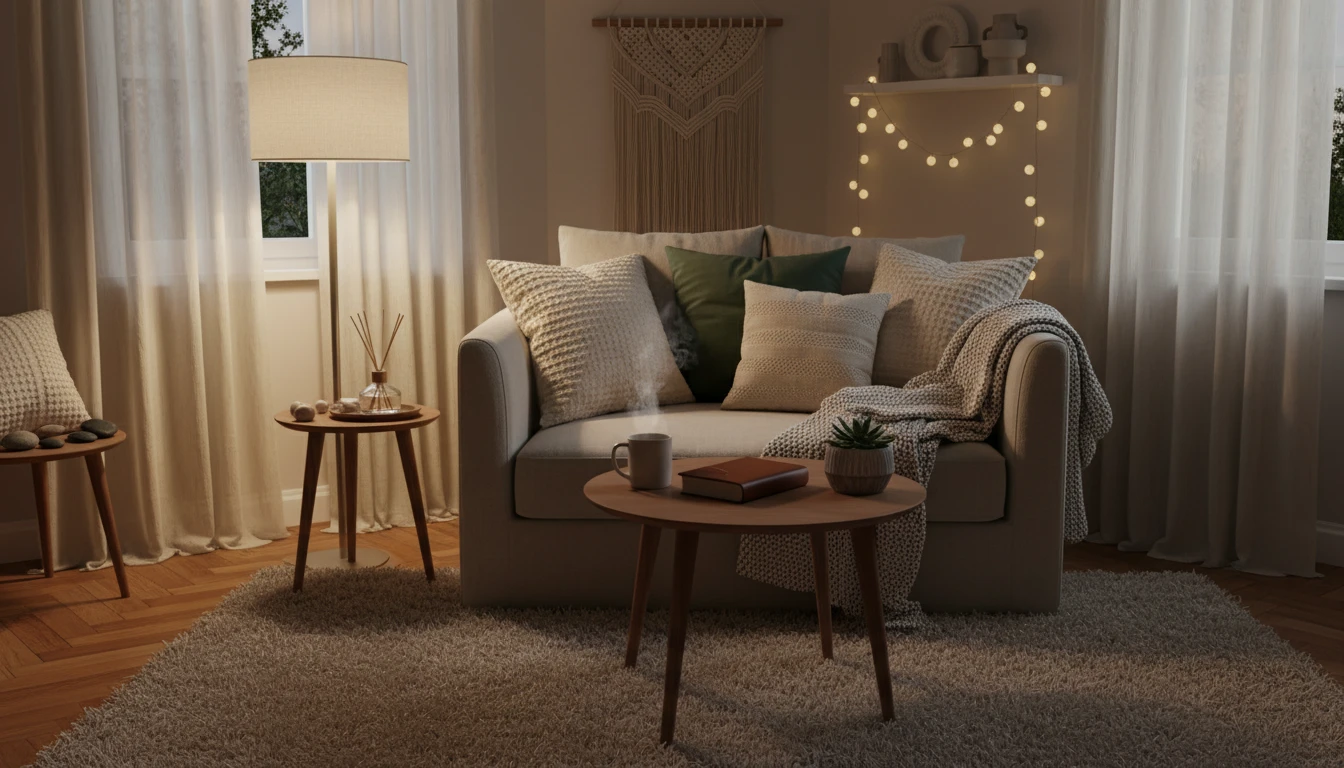
Your environment plays a big role in how easy it is to relax. It is much easier if you prep your space just a little; think cozy, quiet, and free of distractions. Even small tweaks can help your mind and body switch into chill mode. Creating a ritual around relaxing can set the tone and help signal to your brain that it is time to unwind.
Simple Ways to Set the Mood:
- Dim the lights or pull your curtains closed.
- Put your phone on “do not disturb” or airplane mode.
- Play soft music or nature sounds in the background.
- Use a comfy blanket, pillow, or even aromatherapy if that is your thing.
- Keep your favorite book or stress ball nearby if you need something in your hands.
Setting up your space isn’t about perfection. It is just about making relaxing a little easier and more inviting. Over time, even the act of prepping your space can become a signal that it is time to relax and let the stress of the day go.
Step 5: Build Your Routine Gradually (And Be Flexible!)
Trying to overhaul your schedule overnight usually doesn’t stick, so it helps to add relaxation habits one at a time. If something isn’t working, mix it up; flexibility is essential here. The goal is to make relaxation part of daily life without pressure. Remember, relaxation should feel like a reward and not another chore competing for your attention.
Sticking with It:
- Set a small, doable goal, such as two minutes of breathing each morning.
- Try habit stacking: link your relaxation to something you already do, for example, relax right after pouring your morning coffee.
- Keep a small tracker or make a checkmark in your planner; it is surprisingly motivating to see your progress.
- If you miss a day, don’t stress. Just try again at your next planned time.
- Ask a friend to join you or share your progress for extra encouragement.
The more you practice, the easier it becomes to slip into relaxation mode, even on days that feel a little overwhelming. It is okay to switch up your relaxation habits if your needs or schedule change, as flexibility can lead to a more sustainable routine in the long run.
Do you want to get some products for relaxation? CLICK HERE to get some.
Why Relaxation is Super Important for Stress Relief?
Relaxation isn’t just a treat; it can make a real difference in how your body and brain handle stress. Chronic stress has been linked to issues like headaches, high blood pressure, and trouble sleeping. When you set aside time to unwind, your body’s stress response calms, and you can lower your overall cortisol levels. Taking these small steps each day isn’t just about feeling more mellow; it can give you more patience, help prevent burnout, and make it easier to bounce back from tough moments.
If you are interested in digging deeper, there is ongoing research into exactly how different relaxation habits, like mindfulness or deep breathing, affect long-term health. Comparing different relaxation methods and their results is something I plan to keep up with as new studies come out. It is always a good idea to stay updated on new findings so you can adjust your routine to fit what works best for your health and overall happiness.

Questions and Common Roadblocks
I can’t find time to relax; what do I do?
Even a couple of minutes is helpful. Pair relaxation with something you already do, like taking a few slow breaths before starting your car or after brushing your teeth. Look for opportunities throughout your day where you can sneak in a moment to pause and reset, even if it is brief.
I keep getting distracted; how can I actually unwind?
- Silence notifications for a few minutes.
- Let others around you know you are taking a quick break.
- If your mind is busy, try focusing on physical sensations, like the feel of your pillow or your breath, to refocus.
What if I get bored during my relaxation time?
Try mixing up your activities or splitting your time: journal one day, stretch the next. The right fit might take a little experimenting, and that is part of finding what truly helps you relax.
Do I need special tools or apps?
Not really! Some find guided apps or calming playlists helpful, but the basics—breathing, stretching, or a quiet moment—don’t need any special equipment. If you enjoy using a calming sound app, that is great, but there is no need to buy anything fancy to start relaxing today.
Easy Next Steps
Your Relaxation Starter Plan:
- Pick one short relaxation activity you are curious about.
- Decide when to do it (link it to a daily habit for an easy start).
- Prep your space in a simple way, like setting a favorite chair or dimming the lights.
It is important to think about how to create a daily relaxation routine and incorporate relaxation activities into your daily life. Daily relaxation takes just a few intentional moments, and it is actually pretty fun to watch your stress levels go down. Building this plan into your day can make a big difference in your mood and stress resilience.
What is the first activity you will try adding to your routine? Remember, it is all about finding what makes you feel calm and giving yourself permission to take that time for yourself—even in a hectic day.
What do you think about this article? Do you have any advice or suggestions? Please let us know your thoughts and write in the comment section below.
Do you want to get some products for relaxation? CLICK HERE to get some.
Meditation is a great way for relaxation and stress relief. CLICK HERE to learn more about it
I would like to hear from you, so please leave me a comment below to let me know if this article helped you.
If you want to know more about ways you can manage stress, please subscribe to this blog.
If you think this article is helpful, please share it.
Thank you! Have a nice day! Until later
Linda Mo
Founder and owner of How To Reduce Stress Naturally