
We live in a very stressful world full of anxiety and so many worries. Now, talking about myself, I think many of us feel the same way in these times. Today we are going to talk about indoor plants that could bring us the peace and harmony we need. Personally, I love plants. Are you the same? So this time we look more at indoor plants. Gardening can be a great and relaxing activity, but indoor plants are closer to home, literally. They could give us something we could be lacking originally.
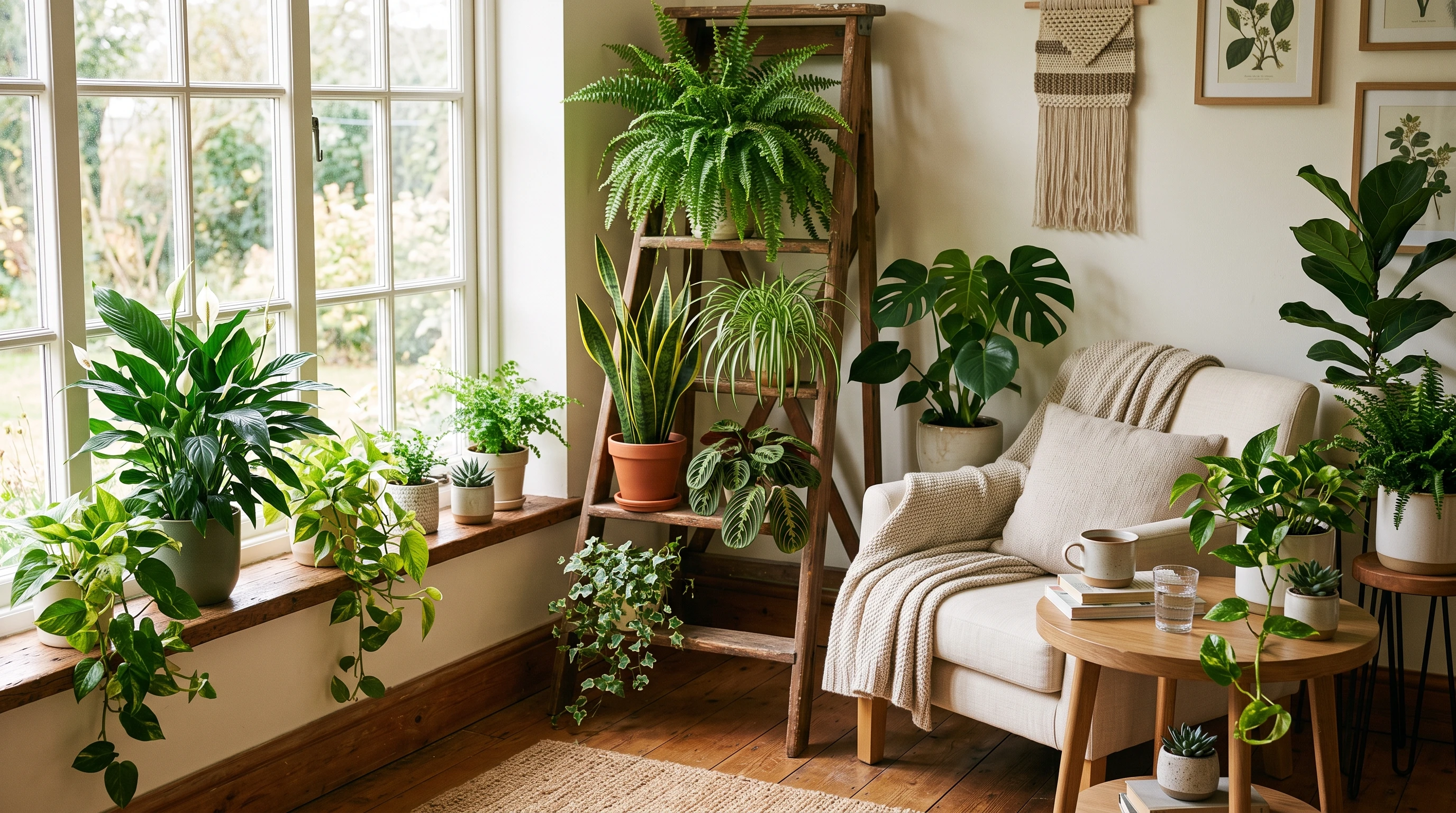
Find Calm With Indoor Plants: Your Guide to a Serene Space
Adding indoor plants to a room isn’t just a trend; it is a simple way to turn any corner of your home into a relaxing retreat. I have put together this guide to help you pick the best houseplants for peace and tranquility, as well as some easy care tips. If you have more questions about plant selection or care, check in with your local garden center or drop me a message below.
Why Choose Indoor Plants for Tranquility?
How do indoor plants create a peaceful vibe?
Indoor plants help reduce stress by adding fresh, natural elements to your environment. Studies show that greenery can give a boost to your mood and even improve your focus. Having plants around gives you something soothing to look at, taking the edge off a busy day.
Which rooms benefit most from calming plants?
You can slip a peaceful plant just about anywhere. Bedrooms, living rooms, home offices, and even bathrooms all get an upgrade from a touch of green. I have noticed my work-from-home space feels a lot less hectic with a few green buddies by my side. I really feel calmer with my green friends; they bring some kind of peace I need and want.
Can anyone keep indoor plants alive?
Absolutely. There are lots of plants out there that don’t need much fussing over. If you are new to caring for plants, stick with forgiving varieties like snake plants or pothos. Both are hardy and don’t call for much attention.
Best Indoor Plants for Peace and Tranquility
What plants are the most calming?
Here are some of my favorites for creating a peaceful space:
- Spathiphyllum (Peace Lily): Known for its air-purifying properties and lush white blooms that fit almost any style.
- Sansevieria (Snake Plant): Super tough, easy to care for, and stands upright like a natural sculpture.
- Chlorophytum comosum (Spider Plant): Great for shelves and hanging baskets, and they are basically drama-free.
- Bamboo Palm: Adds a tropical vibe and works well for relaxing bedrooms or sunrooms.
- Lavender: Fresh lavender isn’t just for gardens; pot one indoors for a gentle scent that helps you unwind. Needs bright light, so a sunny window works best.
- Pothos: One of the lowest maintenance plants out there, and their trailing vines look great cascading from shelves or ceiling hooks.
- Boston Fern: These soft, leafy ferns add texture and like a bit of humidity, so they work especially well in bathrooms.
Are there pet-friendly options?
If you share your home with a pet, it is smart to check plant safety before you buy. Boston fern, spider plant, and certain palms (like bamboo palm) are all pet-friendly picks.
Easy Care Tips for Stress-Free Plants
How often do indoor plants need water?
Most low-stress houseplants prefer to dry out between waterings. I usually stick my finger in the soil, and if the top inch feels dry, it is time to water. Just watch out for soggy soil; overwatering is the main thing that stresses plants (and plant parents) out.
Do these plants need special light?
Peace lilies, ferns, and pothos do well in medium to low light, so you don’t need a south-facing window. For lavender and snake plants, a spot with brighter, indirect light keeps them happy. If your plant’s leaves lose color or look droopy, move it closer to a window and see if that perks it up.
What should I do about humidity?
Most indoor plants are pretty forgiving about average humidity. Ferns and some palms do enjoy a little extra moisture in the air. A weekly misting or a small humidifier nearby works wonders, especially in winter when indoor air gets dry.
Common Questions About Indoor Plant Serenity
Do I need to repot new plants right away?
If you pick up a new plant in a plastic nursery pot, you can wait a few weeks before repotting. Let it settle in before moving it to a bigger home. Repot when you notice roots poking out or if the plant seems to need more space. Just remember that every plant is a little different; feel free to ask your nursery for advice for your specific new addition.
What if my plant’s leaves turn yellow?
Yellow leaves can mean a few things: too much water, not enough light, or just normal old age for that leaf. Check the soil and the light conditions, adjust as needed, and trim off anything that looks really sad. With a little patience, you will spot what your plant needs most.
Are air-purifying plants worth it?
While any plant with leaves will help clean up the air a little, NASA’s famous studies say that peace lilies, spider plants, and snake plants stand out at filtering indoor toxins. I like them because they offer both beauty and a bit of a natural air boost. Who doesn’t want plants that do double duty for your well-being?
Tips for Creating a Calming Plant Display
How can I arrange my plants for a serene effect?
Grouping plants of different heights, leaf shapes, and shades of green adds visual interest without clutter. Keep displays neat and skip the temptation to fill every spot, because open space is calming too. A simple shelf with three or four leafy friends is often all you need for a peaceful nook. You can switch things up with decorative trays, or mix in natural textures like wood and stone for an earthy feel.
Can pots and decor impact the vibe?
Ceramic, clay, or muted-tone pots work really well for a tranquil look. I like to keep pot colors simple and neutral so the green leaves are what really catch your eye. Avoid lots of bold patterns if you’re aiming for a zen feeling. Even a woven basket or two can give a boost to the peaceful effect. Choose containers that feel calm and timeless.
Conclusion
There are some indoor plants that could calm you down and somehow help us to deal with everyday stress better. For me personally, plants always bring peace and harmony, but that is me. Maybe that is not for everyone. Today we looked at plants as a way to help you with stress and relaxation.
If you are curious about plant care or want more ideas for peaceful plant spots, your local nursery is a great resource. And if you have your own plant tricks or favorite choices, I would love to hear about them below. Here is to a more peaceful home, one plant at a time! Remember that every plant parent learns as they go, so keep an open mind and enjoy the ride as you step up your serene indoor plant collection.
What do you think about this article? Do you have any advice or suggestions? Please let us know your thoughts and write in the comment section below.
Thank you! Have a nice day!
Until later
Linda Mo,
Founder and owner of How To Reduce Stress Naturally