
Today it is time to talk about milestones in stress management. For me, it seems like an interesting post title. I never thought about stress management like that, but it is time to look at it more closely than usual.
As an Amazon Associate, I earn from qualifying purchases
Welcome to the Guide: Milestones In Stress Management
I know firsthand how stressful life can get, and I have spent a lot of time exploring what really helps when tension starts to stack up. Stress management has come a long way over the years. This guide covers the big turning points, practical techniques, and some next-level cool, science-backed advice that is worth checking out. If you have more questions, I am always happy to share more info, so just reach out anytime. This blog is also full of information about stress relief, its methods, and products and things that could help make stress relief a reality for you.
Understanding Stress and Its Impact
What is Stress?
Stress is my body’s natural reaction to challenging situations. It is basically how my brain and body deal with change, whether it is something small like running late or something big like a major deadline at work. A little stress can actually be helpful, giving me an energy boost or a sharper focus. Too much, though, and it starts to wear me down both mentally and physically. Personally, I was always experiencing stress when others did not feel it, and this is how I started this blog, feeling the importance of it.
Why Stress Management Matters
Managing stress is really important for keeping my health and mood in good shape. Chronic stress can mess with sleep, cause headaches, and even affect my immune system. Besides the health stuff, effective stress management makes daily life smoother, and honestly, it just helps me feel better all around. Not taking care of stress can lead to burnout, mood swings, and even trouble with relationships or work performance. That is why learning to track down helpful coping methods is key for anyone wanting a balanced life.
Early Approaches to Stress Management
Traditional Ways People Handled Stress
Long before the world got super busy, people turned to things like meditation, yoga, and spending time in nature to relax. For example, meditation has roots going back thousands of years in cultures across Asia, with practices designed to calm the mind and relax the body. Herbal remedies were popular too; drinking calming teas or using scents like lavender were common tricks for winding down. Some cultures also used rituals, music, and group gatherings to share emotional burdens, showing that social support has always played a big part in stress relief.
The Birth of Modern Stress Science
Back in the 1930s, a scientist named Hans Selye started studying how stress affects the body. He coined the term “stress” in a scientific sense and talked about the General Adaptation Syndrome, which describes how my body goes through alarm, resistance, and exhaustion when dealing with ongoing stress. This set the stage for understanding stress as more than just “feeling overwhelmed.” It became something that could be measured and managed more intentionally. Since then, researchers have dug into how stress links with health, emotions, and even genetics, helping us figure out better solutions over time.
Milestones in Stress Management Techniques
The Rise of Mindfulness
Mindfulness really took off in the late 1970s when Dr. Jon Kabat-Zinn developed the Mindfulness-Based Stress Reduction (MBSR) program. I find mindfulness super useful: it is about paying attention to what is happening now without getting lost in worries about the future. Guided breathing, body scans, or even just noticing the feeling of my feet on the floor can make a big difference in how grounded I feel. Mindful techniques have since spread to therapy and education worldwide.
Cognitive Behavioral Strategies
Therapists started using Cognitive Behavioral Therapy (CBT) to help people rethink and challenge stressful thoughts. CBT focuses on spotting patterns, like spiraling into worst-case scenarios, and breaking those patterns down with practical steps. A lot of the techniques I use today, such as journaling or making problem-solving lists, actually come from CBT principles. Learning how to reframe thoughts and tackle issues step-by-step gives daily life a boost and helps ease anxiety.
Exercise and Physical Outlets
Exercise has always been a solid stress buster. Over time, research backed up what a lot of people already knew: moving my body helps drop stress hormones and boosts my mood. Whether it is a walk, yoga, or just dancing around my living room, getting active clears my mind and puts things in perspective. Regular movement also encourages better sleep and healthier routines overall, making it a true cornerstone of any good stress management plan.
Track Your Progress
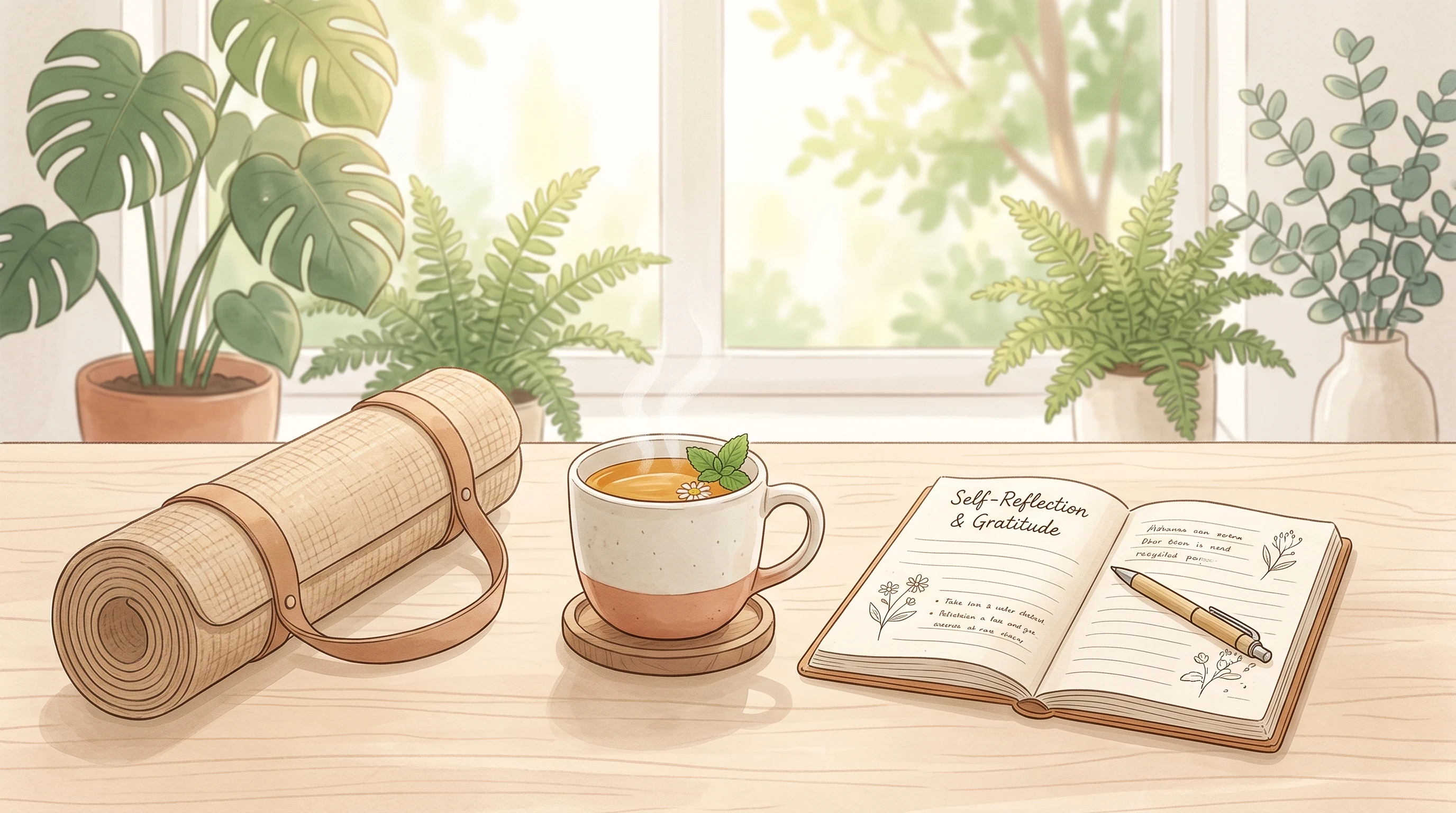
Stress management is a journey, and noticing small improvements can make a big difference. A simple journal can help you keep track of stressful situations, coping strategies, sleep, mood, and the techniques that work best for you. Looking for a simple way to track your stress-management journey? Check out this stress management journal/wellness journal
Technology and New Trends in Stress Relief
Apps and Digital Tools
These days, there are tons of apps for meditation, breathing exercises, and mood tracking. You can use apps like Headspace and Calm to build stress-busting habits right on my phone. They offer quick meditations or relaxing soundscapes, which are pretty handy on a hectic day. Digital tools make stress management way more accessible, and even if I only have five minutes to spare, I can still squeeze in a moment to reset. Some programs even remind me to stretch, drink water, or take scheduled breaks, guiding me to stay on top of my well-being.
Biofeedback and Wearables
Wearable tech can now track my heart rate, sleep patterns, and even monitor stress levels through simple sensors. Biofeedback tools give tips to breathe slower or relax muscles, helping me spot signs of stress before they build up. I find this kind of instant feedback really helpful for staying ahead of stress, and tracking patterns over time has made it easier for me to know when I need to adjust my habits. This type of technology is becoming more popular for anyone looking for personalized, easy-to-use solutions.
Everyday Stress Management Tips
Quick Relief Techniques
- Deep Breathing: Slowing down my breath calms my body and mind in just a couple of minutes.
- Taking Breaks: Getting outside for a short walk or having a quick stretch gives my brain a chance to reset. Even just looking out the window or stepping away from screens can help me reset and lower tension.
- Connecting with Others: Chatting with friends, family, or even coworkers helps me feel grounded and supported. We often underestimate how much a quick check-in can change our outlook during stressful days.
Long-Term Habits That Make a Difference
- Regular Exercise: Having any kind of movement routine, even if it is short, keeps my stress levels down over time.
- Consistent Sleep: Prioritizing rest gives me more energy to handle challenges when they pop up. Good sleep is often overlooked, but it really is a game changer for resilience.
- Mindful Activities: Building little mindful moments into daily life, like enjoying a morning coffee or listening to music, keeps stress from adding up. Other ideas include creative hobbies, journaling, or just spending time in gentle silence whenever I can.
When Extra Support is Needed
Knowing When to Get Help
If stress ever starts to feel unmanageable, like it is affecting my sleep, appetite, or daily routines, it is a good idea to talk with a healthcare provider or mental health specialist. There is no shame in asking for help. Therapists or counselors can offer advice that is tailored for me, and support groups (both online and in person) can make me feel less alone in what I am going through. Reaching out early makes it easier to find the right tools before challenges get bigger. Even sharing my feelings with someone I trust can lighten the load.
Conclusion
The important thing is to keep moving forward. Stress management is a journey, not a destination. Celebrate small victories, learn from difficult days, and remember that even small steps can lead to meaningful change. Your progress matters — keep going, one step at a time.
If you are curious about more stress management tools or want help figuring out what is right for you, let me know. I am happy to share resources or talk about what has worked for me and others. Managing stress isn’t about ignoring tough times; it is about finding ways to take care of yourself, one small change at a time. Keep looking for new strategies, experiment with what feels good, and remember—it is an ongoing adventure to track down what works best for you.
What do you think about this article? Do you have any advice or suggestions? Please let us know your thoughts and write in the comment section below.
Keeping a journal can be a simple way to notice patterns, reflect on your progress, and celebrate small wins along the way. If you would like a dedicated space for your stress-management journey, this journal may be worth a look.
Thank you! Have a nice day!
Until later
Linda Mo,
Founder and owner of How To Reduce Stress Naturally