
Good night’s sleep is one of the basics for stress relief, well-being, and relaxation. Nobody can disagree with that statement. Today we are looking as much needed stress relief checklist for improving sleep quality. Let’s go!
If you find yourself struggling to unwind at night or waking up groggy and unrested, you are definitely not alone. I have lost count of the times I lay in bed, mind racing, wishing my brain had an off-switch. The good news is, with a structured checklist for stress relief, you can improve your sleep quality by making some doable changes. I have gathered these tips and insights from real experience, trusted scientific studies, and plenty of trial and error, so hopefully you’ll track down solutions as helpful as I have.
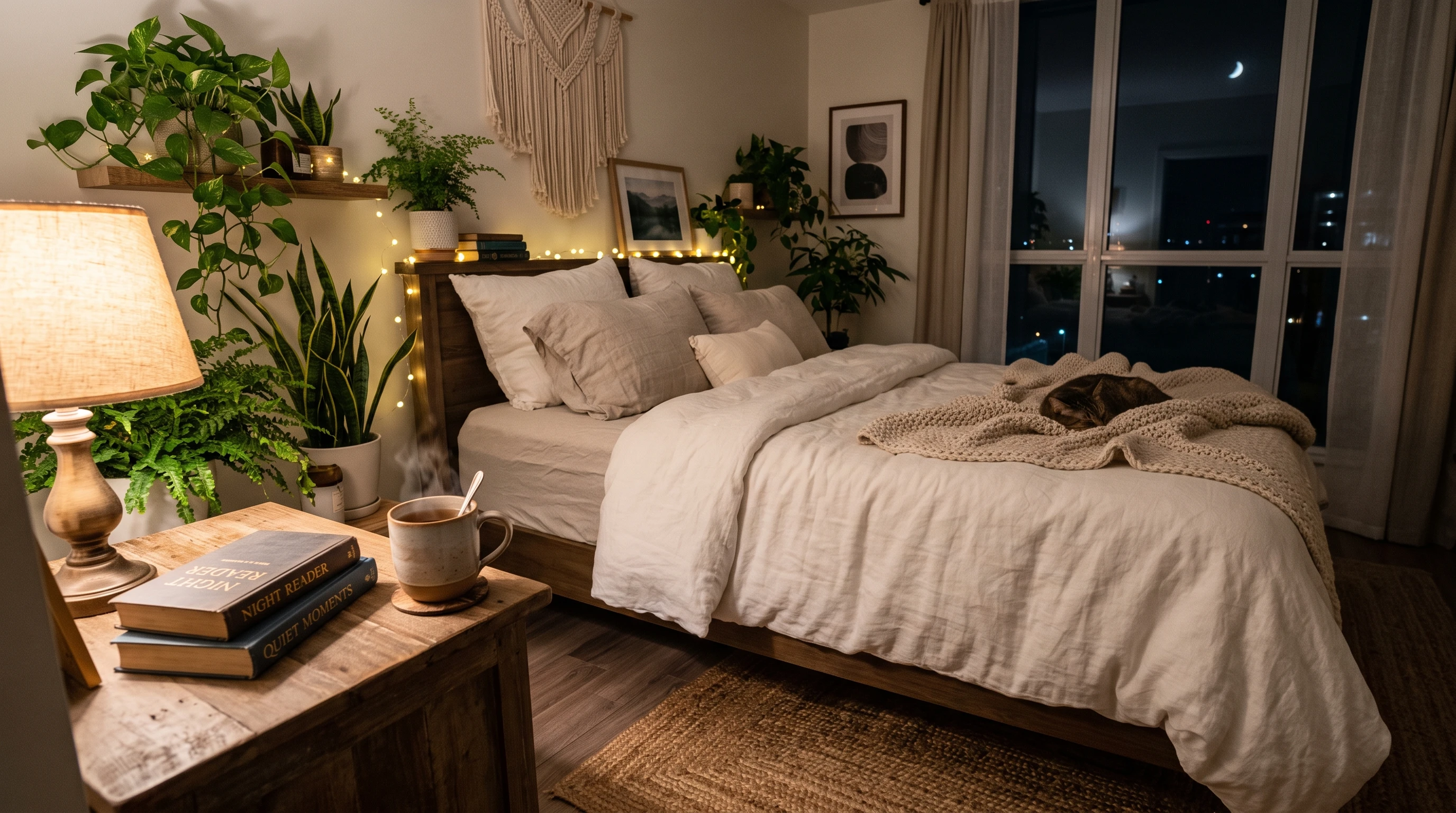
Why Stress Management Matters for Better Sleep
High stress levels and poor sleep are closely linked. I have seen studies from the American Psychological Association and the Sleep Foundation that connect stress to everything from trouble falling asleep to restless nights and frequent waking. The National Sleep Foundation’s 2022 Sleep in America poll showed people with high daily stress reported twice as many nights with disrupted sleep as those who felt relaxed most days. Figuring out how to tone down stress can really give a boost to sleep quality.
It is more than just an annoying loop. Stress triggers the release of cortisol, a hormone that keeps your body awake and alert. When this stress response stays turned on at night, getting deep, restorative sleep becomes far more difficult. Researchers at Harvard Medical School spell out that stress is one of the most common causes of short-term sleep problems.
Practical Stress Relief Checklist for Sleep
Making sleep-friendly changes doesn’t need to be complicated. These are the stress relief habits that have made the biggest difference for me and lots of people I talk to. Over time, integrating these simple tweaks turned my nights around, even after years of tossing and turning.
- Wind Down with a Routine: Create a calming ritual before bed. Reading, mellow music, or gentle stretching can cue your brain that it is time to slow down.
- Limit Screen Time: Try to avoid phones, tablets, and laptops at least 30 minutes before bedtime. The blue light from screens interferes with melatonin, your natural sleep hormone. Research supports this: a 2017 study in “Sleep Health” found that limiting evening screen use helped people fall asleep faster and sleep more deeply.
- Write It Out: If your mind spins with worries, spend five minutes jotting them down. There is a standout study in the “Journal of Experimental Psychology” showing people who wrote a to-do list before bed fell asleep nine minutes faster than those who didn’t.
- Manage Caffeine and Alcohol: Both can disrupt your body’s sleep rhythm. I try to wrap up caffeine by early afternoon, and only drink water or herbal tea in the evening.
- Keep It Cool and Dark: Lowering your room temperature and dimming the lights cues your body’s clock that it is time for sleep.
- Try Mindful Breathing: Deep, slow breathing or guided relaxation apps can calm racing thoughts. I find the 4-7-8 breathing method super useful; that is, inhaling for four seconds, holding for seven, and exhaling for eight.
- Set a Wake-Up Time: Try to get up at the same time each day, even on weekends. Regular sleep schedules matter, according to research from Stanford University.
Building Your Evening Routine
I used to think evening routines were just fluff, but the science actually checks out. Having predictable, soothing habits before bed cues your brain that sleep’s coming up soon. Here is how you can get into an easy routine and make it your own:
- Shut Down Work: Set a work cutoff an hour before bed. Emails and job stress will crowd your wind-down time. With remote work, I found this challenging but very worthwhile.
- Chill Lighting: Swap harsh lights for lamps or string lights. Softer lighting helps my mind ease out of stress mode.
- Light Reading or Journaling: Stick to something relaxing or positive. I keep a gratitude journal by the bed and list a couple of things I am thankful for each night.
- Hot Shower or Bath: Warming your body before heading to a cool bedroom triggers the natural drop in body temperature that makes you sleepy. Research in “Sleep Medicine Reviews” backs up this effect.
An additional tip: experiment with aromatherapy. Some people swear by lavender or chamomile essential oil diffusers to create a calming atmosphere before sleep. These scents can signal relaxation, making it easier for you to settle in.
Common Hurdles and How to Handle Them
Everyone runs into roadblocks when changing habits. If you hit a bump—like feeling too wired to relax—it helps to figure out the cause. Here are a few things you might run into and ways to handle them:
- Mind Keeps Racing: Guided meditations or nature sounds are worth checking out. When my thoughts won’t settle, I use free meditation apps or even white noise; you will find plenty on YouTube.
- Nighttime Waking: Avoid checking your phone if you wake up. Stay in bed and try deep, slow breathing or progressive muscle relaxation, tensing and relaxing each muscle group from toes to head.
- External Noise or Light: Earplugs or a sleep mask can make a real difference if you live on a busy street or your partner stays up later than you. Blackout curtains help, too.
- Unpredictable Schedule: If your job or family life is hectic, consistency is tough. Even a short wind-down routine or a fixed wake-up time creates a sense of rhythm.
How Stress and Sleep Feed Off Each Other
It is important to realize that sleep and stress have a two-way relationship. Poor sleep doesn’t just result from stress; it also makes stress even worse the next day. A 2021 study in “Sleep” found that people who slept poorly reported short tempers, trouble focusing, and higher anxiety. Prioritizing good sleep sets you up to handle stress with more patience the next day.
The cycle can be frustrating, and recognizing it is the first step toward breaking it. Trust that with small, persistent changes, the pattern can gradually turn around, and you will start waking up feeling better equipped to face the day.
Supplements and Natural Helpers for Unwinding
Always check in with a doctor before trying supplements, but some people swear by natural options that support relaxation and stress relief:
- Magnesium: Several studies suggest magnesium can help lower anxiety and improve sleep quality. Foods like leafy greens, nuts, and avocados will give you plenty if you want a natural approach.
- Herbal teas: Chamomile, valerian root, and passionflower tea have calming effects, according to small studies in “Phytomedicine.” Sipping them is a cozy way to close the day.
- Melatonin Supplements: If your internal clock is off (for example, after travel), short-term melatonin use might help reset your sleep. Don’t use it night after night without asking a healthcare pro.
Other tools like CBD oil or adaptogen herbs are gaining traction too, but evidence is limited—so if you are interested, seek out a knowledgeable practitioner for guidance.
How a Sleep-Friendly Environment Helps
Tweaking your bedroom can make a massive difference in how easily you fall asleep. A cozy, peaceful environment tells your brain it is safe to let go of stress. Here is what I focus on:
- Declutter: Mess adds to mental clutter, even if you don’t notice it right away. Clearing off the nightstand and making the bed instantly makes things feel calmer.
- Bedding: Create a comfy bed with a supportive pillow and fresh sheets. I love a cooling pillow in the summer to help keep things comfortable.
- Keep Electronics Away: Try charging devices outside the bedroom. Less temptation means fewer distractions and better sleep.
- Temperature: Use a fan or adjust the thermostat so your bedroom is cool but comfortable. Overheating at night is a common sleep disruptor.
You might also try adding plants for a touch of nature—studies show having greenery in your room can reduce stress and purify the air.
Stress Relief Tools and Apps Worth Trying
Technology actually can be your ally for better sleep. Below are some user-friendly, affordable tools that people I know find genuinely helpful:
- Calm, Insight Timer, and Headspace: These apps offer guided meditations, bedtime stories, and breathing exercises, which are great for those new to these techniques.
- White Noise Generators: Block out distractions from street noise or roommates to create a soothing background.
- Sleep Trackers: Wearables and apps can help you spot patterns in your sleep if you want to try different routines. Just avoid overanalyzing the numbers.
Additionally, you might track down podcasts specifically made for bedtime—many feature relaxing stories or gentle background sounds tailored for drifting off.
Frequently Asked Questions
Question: Will meditation really help me fall asleep faster?
Answer: In my experience, definitely, and the research supports it. Mindfulness meditation has been shown to tone down sleep disturbances and support deeper rest. Even five minutes each night can quiet your mind.
Question: What’s the best time to stop drinking coffee to improve sleep?
Answer: Aim to have your last cup of coffee or caffeinated tea at least six hours before bedtime, according to the Sleep Foundation. Personally, stopping by 2 p.m. made a noticeable difference.
Question: How long does it take for new nightly habits to help with stress and sleep?
Answer: Most people stumble upon some improvement within one to two weeks of staying consistent. The lasting results often get stronger after a couple of months. Patience and regular practice make a big impact.
Conclusion
Making Stress Relief Part of Your Sleep Routine
As we all know, sleep is one of the main things that help us to deal with stress on a daily basis. Too often, we need to sleep more because stress and our schedules impact our sleep one way or another. We all should keep that in mind and make good nights’ sleep the basis of relaxation and stress relief. That is when stress leaves, and we relax and heal.
Putting it all together, lowering stress at night is not about extreme changes or instant miracles. The key is taking small, steady steps that add up day by day. Creating a checklist, tweaking your environment, and trying out bedtime rituals can give a real boost to your chances at better sleep. I have witnessed the difference these approaches make, not just for myself but for friends and readers over many years. Everyone encounters setbacks—if it happens, keep experimenting to see what truly fits your life and needs.
Sleep quality is worth investing in, and a smart, practical stress relief approach is one of the most effective ways to get there. Sweet dreams as you set out on this relaxing adventure toward restful, restorative nights!
What do you think about this article? Do you have any advice or suggestions? Please let us know your thoughts and write in the comment section below.
Meditation is always one of the best techniques for stress relief. CLICK HERE to learn more about it
I would like to hear from you, so please leave me a comment below to let me know if this article helped you.
If you want to know more about ways you can manage stress, please subscribe to this blog.
If you think this article is helpful, please share it.
Thank you! Have a nice day!
Until later
Linda Mo,
Founder and owner of How To Reduce Stress Naturally