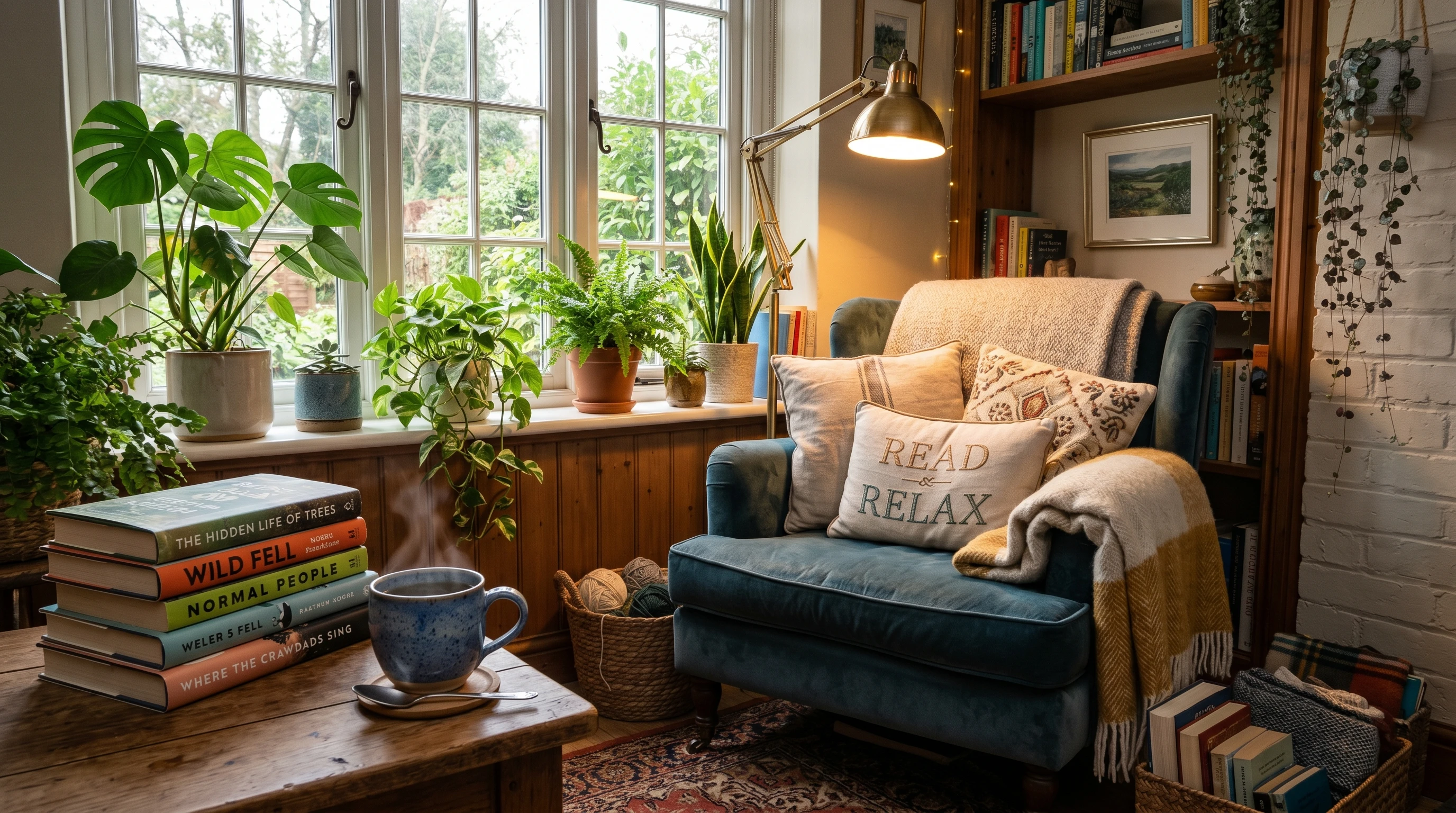
Reading is a great relaxing activity that could play an important role in stress management. When I was very young, I could say reading saved me, as I was so tense and anxious at that time. I could say that reading is a form of self-care and a way to reduce stress in our lives. Let’s explore this more!
As an Amazon Associate, I earn from qualifying purchases
Reading As Self-Care: Your FAQ Guide For Stress Relief
Wondering how reading can fit into your self-care routine? You are not alone! I get a lot of questions from friends and readers about using books as a way to unwind and find a little peace in a hectic world. This guide covers the basics of reading for self-care, tips for making it work with a busy schedule, and ideas for getting the most out of your reading time. If you have ever wanted to use books to relax but weren’t sure where to start, you will find some really useful advice here. Remember, reading can be a helpful escape that brings enjoyment, helps you learn about yourself, and even sparks your creativity when you least expect it. Let’s check out how.
Why Reading Works For Stress Relief
How does reading help with stress?
Curling up with a good book lets me slip into another world, taking my mind off my own worries. Reading helps slow down racing thoughts and gives my brain a break from screens and everyday pressures. Even just a few pages can help lower my heart rate and ease tension.
What types of books are best for stress relief?
I find fiction works pretty well, especially feel-good stories, mysteries, or classics with uplifting endings. But honestly, anything you enjoy—fantasy, poetry, travel books, or even comics—can bring a sense of calm. Nonfiction is great, too, if it is inspiring or light. The main idea is to pick books that feel comforting and not too challenging when you are trying to relax. Remember, the act of reading itself is soothing—there is no need to read what everyone else is reading. Sometimes, even revisiting old magazines or checking out illustrated cookbooks can bring simple joy and ease into your day.
Are you interested in reading some novels for stress relief? CLICK HERE to get them
Building A Reading Self-Care Routine
How do I make time to read every day?
Finding time can be tricky, so I usually fit reading into natural breaks in my day. Sometimes I read a few pages in the morning with my coffee, or before bed, instead of scrolling on my phone. Audiobooks are super useful for multitasking, like listening during a commute, cleaning, or while cooking dinner. You don’t need hours, and even a regular 10-15 minute reading break can really give a boost to your day. Keeping a book with you, whether it is a pocket novel or something on your phone, makes it easy to sneak in a few pages often.
What’s the best reading environment for stress relief?
My favorite setup is somewhere quiet, cozy, and light. Adding a comfy blanket or a cup of tea turns it into something special. I sometimes use calming background music or nature sounds if the house is noisy. Finding a spot where you won’t be interrupted, even if it is just the corner of your couch, makes a huge difference for relaxing into a book. Some people even make their reading spot feel like a tiny retreat by lighting a candle or arranging a few favorite objects nearby for a soothing vibe.
Choosing The Right Book For Your Mood
How do I know which book will be relaxing?
I pay attention to what I am in the mood for and don’t pressure myself to finish books that aren’t clicking. If I am stressed, I avoid heavy topics and stick to something light or fun. I browse recommendations from friends, book blogs, or lists like “uplifting reads” to find new ideas. Libraries and ebook apps usually have curated categories for different moods, too. It is okay to stop and pick up something else if you aren’t enjoying your choice. Your reading time belongs to you, so pick whatever feels right in the moment.
Is rereading a favorite book helpful?
Absolutely! Returning to an old favorite is like revisiting a comforting memory and can be extra soothing when I need predictable, positive vibes. For me, knowing what happens next keeps things low stress. If you have a childhood classic or a book you loved last year, keeping it nearby can make a big difference on tough days. Sometimes, I even read favorite passages or chapters instead of the whole book—just enough to lift my spirits.
Self-Care Tips For Successful Reading
How can I actually relax while reading?
I put my phone on silent and keep it across the room to avoid distractions. If I get restless, I permit myself to read in short bursts. Sometimes I add a little journaling—noting thoughts or feelings sparked by the book—to make the time more meaningful. Reading guilt-free, with no pressure to finish quickly or absorb every detail, helps me unwind. Let the experience slow you down and let go of expectations; it is a rare moment to recharge your mind and body.
How do I stay motivated to keep reading?
I keep a stack of “to be read” books within reach, so I am excited to pick the next one. Swapping recommendations with friends or joining an online book club adds some extra motivation. I remind myself that reading is about enjoying the process, not hitting a goal. Creating a reward, such as a favorite snack or a special tea, when you read a few chapters, can also make your reading time feel even more inviting.
Troubleshooting: Common Reading Roadblocks
I can’t focus when I try to read. What should I do?
It happens to everyone, especially during stressful times. Short stories, magazines, or graphic novels can help if full-length books feel overwhelming. If your mind is racing, try a guided breathing exercise before you start reading. Audiobooks can be pretty helpful if your eyes feel too tired to focus on a page. Remember that it is okay to take breaks and come back to your book later. Sometimes, reading out loud, even just a page, can help steady your attention too.
What if I don’t enjoy reading, but want the benefits?
You are not alone—reading doesn’t come naturally to everyone. If traditional books aren’t your thing, try audiobooks or podcasts about stories. Explore topics you are actually interested in—sports, hobbies, travel, or humor. The goal is to enjoy yourself while giving your brain a chance to settle and recharge. Graphic novels, illustrated guides, or books filled with photos can make reading feel more inviting and less like a chore.
Conclusion
Reading is an amazing activity that could help you deal with stress and relax. If you do it regularly, you can enjoy the benefits of reading.
If you are looking for more suggestions, sites like Goodreads and the American Library Association offer tons of book lists and advice for all types of readers. Local library websites usually have reading guides and support, too. And if you want a little motivation, consider checking out an online book club; it is a friendly way to share the experience and get new book ideas. If you have trouble finding recommendations, don’t hesitate to ask a librarian or browse shelf talkers in bookshops for hidden gems you might love.
What do you think about this article? Do you have any advice or suggestions? Please let us know your thoughts and write in the comment section below.
Are you interested in reading some novels for stress relief? CLICK HERE to get them
Meditation is always great for stress relief and relaxation. CLICK HERE to learn more about it
I would like to hear from you, so please leave me a comment below to let me know if this article helped you.
If you want to know more about ways you can manage stress, please subscribe to this blog.
If you think this article is helpful, please share it.
Thank you! Have a nice day! Until later
Linda Mo
Founder and owner of How To Reduce Stress Naturally