
Meditation is one of the amazing things for your mental health and well-being, and could help with stress relief. It is important to know how to incorporate meditation into a busy schedule for stress relief.
Today, this is the topic we need to talk about. We are all busy one way or another, and we need to have time to take a breath, relax, calm down our minds, and use meditation practice to do so.
It is important to take this step by step and take care of ourselves. We need a brief moment to just stop, calm down, and let our worries and stressors go, even if it is just for a few minutes. That would help us in the long run. Let’s see how we can do it!
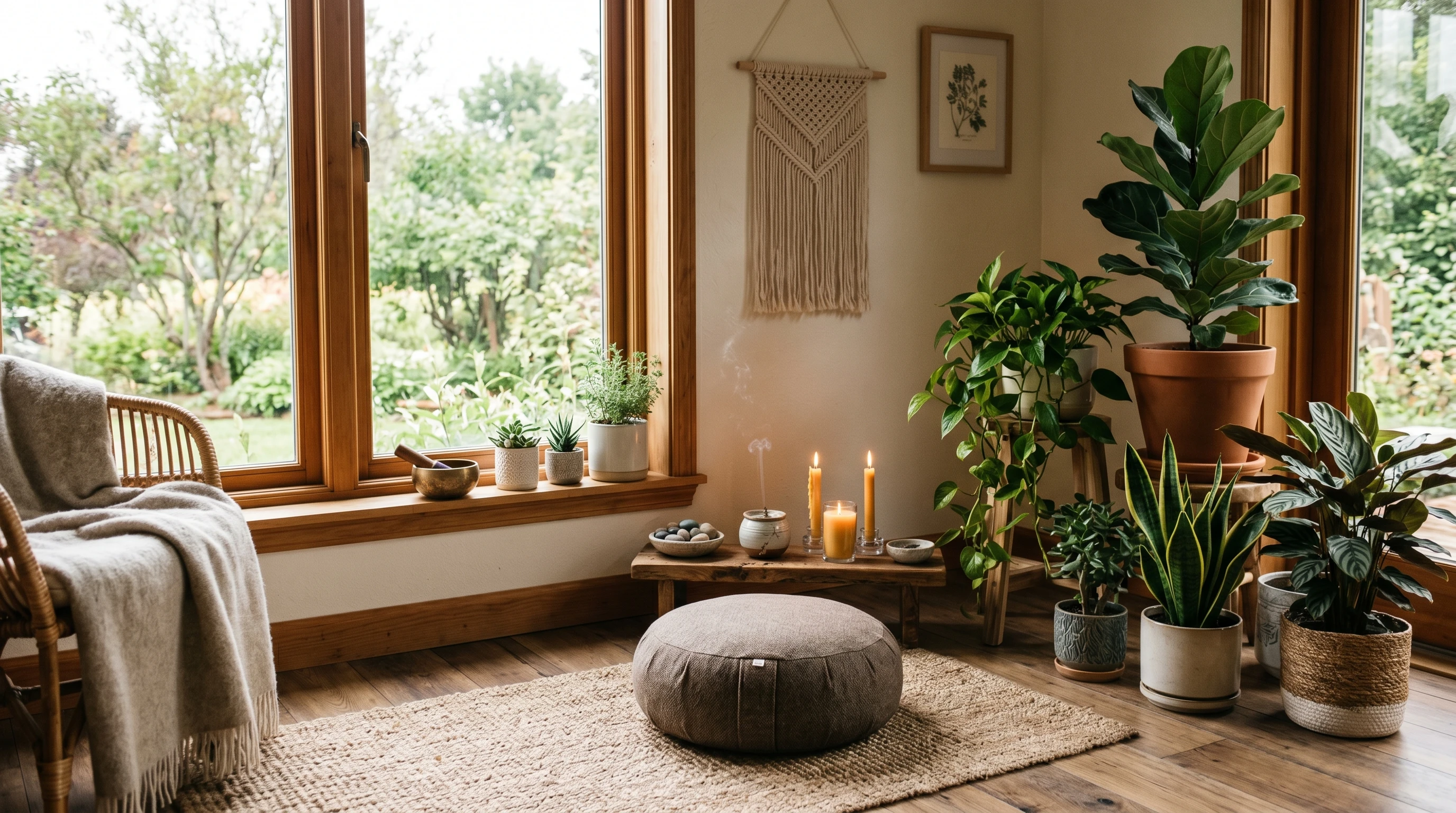
Feeling overwhelmed by a packed schedule is pretty common these days. With work, family, and social commitments all competing for attention, it is easy to forget about taking a few moments for yourself. I used to think meditation was only for people with lots of free time, but I have seen how even a few mindful minutes can make a huge difference in lowering stress and resetting my mood, even on the busiest days.
Meditation doesn’t have to be complicated or time-consuming. If you are looking to work mindfulness into your life without giving up hours you don’t have, I am sharing some simple tips that have helped me fit meditation into a packed day. These ideas work whether your schedule is crazy, unpredictable, or just feels pretty full most of the time. Meditation isn’t about strict rules; there is room for trial and error as you find your own groove. Even if you have never tried it before, these steps can help smooth the way for beginners and seasoned meditators alike.
Step 1: Figure Out What You Want From Meditation
Before squeezing meditation into an already busy calendar, it helps to get specific about your goals. The way you fit mindfulness into your life will depend on what you are hoping it will help with, whether that’s handling stress, getting better sleep, improving focus, or just sneaking in some calm when things feel chaotic. Understanding your main reasons can make your meditation time feel more meaningful, turning it into something you look forward to instead of another chore. Take a few moments to set your intention—it could shape your whole experience.
Questions to Help Set Your Meditation Goals:
- Why do I want to meditate? (Stress, focus, better sleep, emotional balance?)
- How much time could I realistically spend each day?
- Do I prefer my meditation quiet and still, or would I rather mix movement in?
- Where do I usually have downtime, even if it is just a few minutes?
Common Meditation Goals for Busy People:
- Take a mental reset between meetings or calls
- Wind down before bed for better sleep
- Switch gears with a quick midday mindfulness break
- Start the morning feeling calmer and less rushed
Having some clarity around what you want from meditation will help you spot those little pockets of time to fit it in. Over time, you can even track down unexpected moments that work perfectly, like after a big meeting or ahead of a family event.
Step 2: Make Meditation Work With Your Schedule
One of the biggest hurdles for most people is finding time to meditate. But you don’t need a long, uninterrupted hour; just a few minutes here and there can actually make a real impact. I started by noticing when I already had short pauses or transitions in my day. These moments are perfect for slipping in quick meditation sessions.
How to Find Time For Meditation:
- Pair meditation with something you already do, like waiting for your coffee to brew or sitting in the car before work
- Set a recurring reminder or alarm on your phone as a nudge to pause for a minute or two
- Use travel or commute time for guided meditations
- Practice “mindful moments” in the shower, on a walk, or while washing dishes
Extra Tips for Busy Folks:
- If your schedule changes a lot, keep a shortlist of meditation options you can use anytime
- Remember, a short meditative pause can be just focusing on your breath at your desk or taking a mindful breath before a difficult conversation
Pro Tip:
Don’t stress about “doing it the right way.” It is better to meditate for a few minutes regularly than to wait for the perfect, quiet environment that never shows up. Making your practice practical for your schedule is key. Flexibility keeps it achievable.
Step 3: Choose a Meditation Style That Fits
There are tons of types of meditation out there, but you don’t need to overthink which one to pick. The best meditation for your busy life is the one you will actually practice. I experimented with a few different styles until I found a couple I really looked forward to. Some styles offer more movement or focus than others, so pick what feels easiest to stick with. If it helps, try out a new style every week and see what feels most natural.
Popular Meditation Types for Busy Schedules:
- Breath Awareness – Focus on your breathing for two to five minutes, wherever you are
- Guided Meditations – Listen to an app or YouTube video for structure and support
- Body Scan – Mentally check in with each part of your body, great for releasing tension fast
- Walking Meditation – Add mindfulness to your walk around the block, parking lot, or even at work
Example:
For me, guided meditations help keep my attention, especially if my head’s already buzzing with stress. I will pop on a five-minute session right after my lunch break, before I get back to the grind. Sometimes, I will try a short body scan just before bed to let go of the day’s tension. The key is to mix in some variety until you find what keeps you coming back.
Step 4: Build Tiny Habits For Consistency
Sticking with meditation is a lot easier when it’s built into something you are already doing. This “habit stacking” approach means you’re not inventing new time in your day; you are just making better use of it. I tacked a quick, two-minute breath meditation onto the end of my morning skincare routine, so I never forget.
How to Create Consistent Meditation Habits:
- Pick a daily routine you never skip (like making tea, brushing your teeth)
- Add your meditation right after or before that routine
- Keep it short and realistic; even a single minute counts
- If you forget, just try again the next day—no guilt
Consistency is way more important than total time spent meditating. Repetition matters more than perfection. Over several weeks, these small, repeated efforts build up, helping you see noticeable benefits without extra stress or pressure. Your meditation habit will start to feel as natural as brushing your teeth.
Step 5: Reduce Distractions For More Effective Meditation
One challenge with fitting meditation into a busy schedule is that distractions are everywhere. I found that controlling a few of these distractions made a big difference in how relaxed I felt afterward. Even a few small tweaks to your environment can give a boost to your meditation’s benefits.
Tips To Minimize Interruptions:
- Switch your phone to “Do Not Disturb” or airplane mode
- Choose a quiet spot, even if it is just your parked car or a bathroom stall at work
- Let family or roommates know when you need a couple of uninterrupted minutes
- If your thoughts wander (totally normal!), gently bring your attention back to your breath
Even a short session will feel more helpful when you are not getting pulled in different directions. Over time, you will spot small changes you can make—like closing a door or playing soft background sounds—that help you focus better and feel more refreshed afterward.
Step 6: Adjust As Life Changes
Meditation isn’t about being perfect. Some weeks, I manage a few sessions every day; other times, I have to skip a day or even a week. Being flexible means you are more likely to return to the habit instead of abandoning it if you miss a session. Remember, meditation should never feel like another item to stress over on your to-do list.
How To Stay Flexible With Your Meditation Routine:
- If your day is extra busy, aim for a 30-second mindful pause instead of skipping it completely
- Change up the style or timing based on your needs—try evenings if mornings get too hectic
- Have backup meditation options, like apps or music playlists, for when you are feeling stuck
It can help to keep a small notebook or use an app to jot down how you feel after meditating. Seeing progress reminds you why it’s worth making time every day, even when life is unpredictable. You might even look back and notice your stress levels are lower or your focus is sharper, just from staying flexible and gentle with your practice.
Common Questions & Troubleshooting
I can’t find any quiet time. What should I do?
- Try meditating at unconventional times, like while waiting in lines or parked in your car
- Add mindfulness to a regular activity, such as walking your dog or waiting for your computer to restart
How long do I need to meditate to see benefits?
Just 2-5 minutes a few times a week can help reduce stress, according to research from studies in mindfulness-based stress reduction. Even brief sessions add up over time, so don’t discount short practices. Some people feel calmer after just a week of regular, bite-sized practice. There are more than one study that has been done about how mindfulness can help to deal with stress and improve your performance at school or the workplace.
What if I get bored or my thoughts won’t settle down?
- Try guided sessions or add soft background music or nature sounds
- Remember, meditation isn’t about stopping thoughts; just noticing and letting them pass is enough
- If you get fidgety, consider walking meditation or gentle movement as your practice instead
Your Meditation Action Plan
- Pick one time slot this week for a short meditation—just one or two minutes is a great start
- Decide on your meditation style, whether breath awareness, a body scan, or a guided app
- Stack this new habit with an existing routine to make it easier to remember
Conclusion
Meditation is an amazing tool that we can use to deal with stress, even on the busiest days. Here you can see tips on how to incorporate meditation into a busy schedule for stress relief.
Finding time for meditation on your busiest days is doable if you keep it simple, use the time you already have, and let go of the pressure to do it perfectly. Even tiny steps add up. Once you build the habit, you will start to notice more calm in the middle of your busy days—and that is pretty rewarding. With regular practice, that sense of calm can give a boost to your overall mood and productivity, allowing you to show up as the best version of yourself in all areas of life. Little by little, meditation can help you re-center, even when life gets hectic.
What do you think about this article? Do you have any advice or suggestions? Please let us know your thoughts and write in the comment section below.
Meditation is a great tool for stress relief and better mental health and stress relief. CLICK HERE to learn more about it
I would like to hear from you, so please leave me a comment below to let me know if this article helped you.
If you want to know more about ways you can manage stress, please subscribe to this blog.
If you think this article is helpful, please share it.
Thank you! Have a nice day! Until later
Linda Mo
Founder and owner of How To Reduce Stress Naturally