Relaxation is a big part of stress relief. We all need to relax, not just work all the time. This is how you take care of your mental health and well-being. This day is a reminder for us to honor and remember relaxation as an important step for our well-being. Today we talk about the history of National Relaxation Day and the importance of this day. Let’s do it.
National Relaxation Day quietly rolls around every August 15th, acting as a gentle reminder for everyone to slow down, breathe, and press pause on their packed routines. If you have ever wondered where this chill day originated, you are in good company. The backstory is a mix of lighthearted, quirky, and totally relatable moments, all showing how something simple can grow from a living room conversation to a nationwide observance.
The Beginning of National Relaxation Day
The story behind National Relaxation Day isn’t what you might expect. It didn’t come from an official source or a famous wellness advocate, but actually from the mind of a thoughtful child. In 1985, a nine-year-old boy named Sean Moeller from Clio, Michigan, noticed that people around him needed a chance to slow down. He felt everyone was weighed down by work, school, and daily chores, never really taking a moment to rest. Sensing this gap, Sean wrote a letter to the newspaper, suggesting the idea of a special day just for chilling out.
Sean’s message didn’t end there. His idea caught the attention of his local community and then was picked up by the Chicago Tribune, a national newspaper. By sharing his suggestion, Sean unintentionally sparked a movement. Suddenly, people across the country were talking about this new day—one that encouraged everyone to take it easy, meditate, read, or simply do nothing at all for a spell.
Why a Relaxation Day Matters
At first glance, it can seem odd to need a dedicated day for relaxing, but for most people, it is harder to step away from daily pressures than it seems. Modern life doesn’t let up, and researchers have shown that stress is a universal problem. National Relaxation Day steps up as a gentle reminder to value those small moments that can improve mood, wellness, and productivity.
Backing up Sean’s idea, groups like the American Psychological Association report that taking time for rest isn’t just “nice to have.” Consistent breaks help our bodies repair themselves, cut down long-term health risks, and seriously lighten the mood. These pauses in our schedule, big or small, show that self-care should be a priority, not an afterthought. Slowing down isn’t about dodging responsibilities; it is about recognizing that taking care of your mind and body leads to better health, more happiness, and, believe it or not, even more productivity in the long run.
For instance, some mental health professionals say that building rest into your regular routine, even if it is only for a few minutes, helps you set healthy boundaries and recharge for tomorrow’s challenges. Setting aside a day like National Relaxation Day is a small but powerful way to keep this healthy habit alive.
How National Relaxation Day Grew Popular
Once the Chicago Tribune put the story out there, National Relaxation Day started to gain ground. Each year, more media sources—radio, TV, magazines—picked it up, sharing new tips for chilling out. By the early 2000s, lifestyle blogs and social media platforms played a massive role, spreading the word and creating new traditions for August 15th. Thanks to hashtags like #NationalRelaxationDay, the idea kept spreading and got a serious boost from wellness communities online.
Health-focused businesses, from yoga spots and massage centers to national coffee chains, began offering special deals and sharing advice for stress relief. Local schools joined in, giving students extra quiet time, and libraries sometimes planned mindfulness-themed events. Workplaces even started sending reminders, encouraging employees to take breaks and disconnect after hours.
These efforts made the occasion fun and easy to get into, showing that relaxing isn’t a luxury but a smart move for everyone.
Common Ways People Mark the Day
You don’t need a fancy vacation or expensive products to be part of National Relaxation Day. Here are some popular, down-to-earth traditions people follow:
- Digital detox: Set aside gadgets for an hour or more. Skip doomscrolling and let your mind wander.
- Home spa moments: Light candles, run a warm bath, or try a DIY facial for that peaceful, spa-like mood.
- Time in nature: Whether it is a picnic at the park, a quick hiking trail adventure, or just chilling in your backyard, fresh air always helps.
- Mindful reading or listening: Spend time with a favorite book, podcast, or some relaxing music to help reset mentally.
- Gentle movement: Stretching, basic yoga, or even a relaxed walk does wonders for both muscles and mind.
Many people call up friends or family for a low-key chat or take a guilt-free nap. Since there is no pressure to do anything in a specific way, everyone can join in on their own terms.
Challenges People Face in Relaxing
For lots of people, unplugging for a day isn’t as simple as it sounds. Here are some common obstacles and a few ideas that might make it easier:
- Noisy environments: Distractions like street noise or household commotion get in the way. Sound machines, headphones, or closing a door often provide a more peaceful space.
- Inability to unplug: Work emails and texts can feel constant. Setting device boundaries—like “Do Not Disturb” mode or turning off your phone for a while—can free up mental space.
- Trouble with guilt: Many feel they haven’t “earned” a break. Remind yourself that relaxation makes you more effective and strengthens your mental health.
- High pressure to stay productive: Hustle culture tells people to always be doing something. Planned downtime shows that rest is a part of success.
Noisy Environments
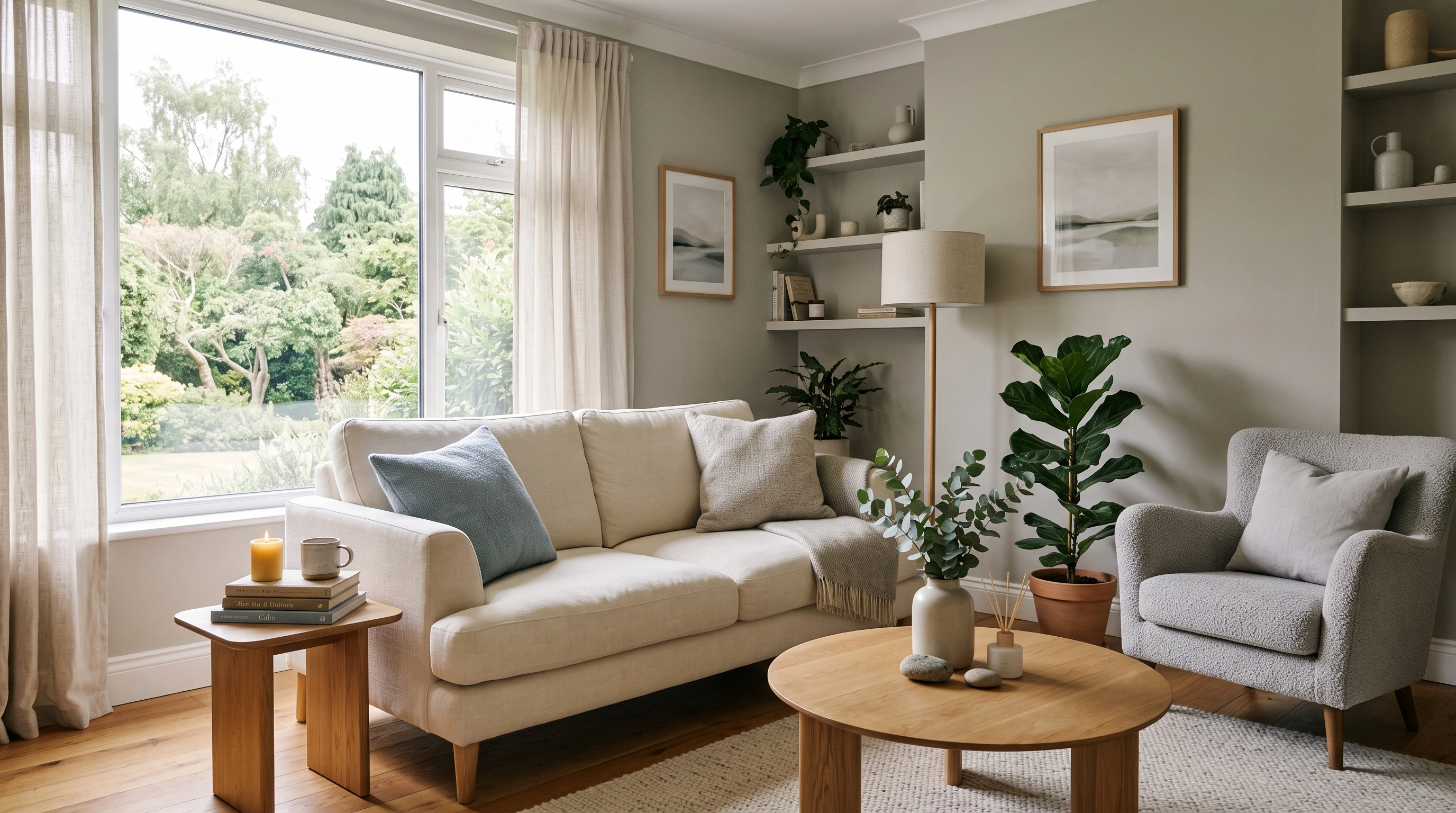
Noise constantly invading your space can ruin any attempt at downtime. Consider rearranging your furniture to create a cozy, quiet nook, or test out soothing sounds like rain or distant waves. If you can, find the calmest part of your home or workplace for dedicated downtime.
Inability to Unplug
Letting others know you will be offline at certain times helps set expectations. Actually powering down your devices—even for just 20 minutes—can bring instant relief and a refreshing perspective.
Trouble with Guilt
Sometimes, relaxing feels like slacking. Flipping that idea on its head helps. Treat rest as you would any daily responsibility, and remember that even five minutes matters. Consistency makes it easier, and soon, guilt starts to fade.
High Pressure Culture
With non-stop reminders to stay “productive,” slowing down can feel risky. But learning about the positive effects of downtime makes it easier to give yourself permission to rest. It’s proof that being your best self isn’t just about grinding nonstop.
Tips for Making the Most of National Relaxation Day
If you want to get the most out of August 15th without extra stress, try these easy ideas:
Set realistic expectations: Even one act of self-care counts. Whether you sip tea, pull on comfy pants, or just sit quietly, it’s a win.
Let others know your plans: Telling those around you about your downtime goal keeps interruptions away. A simple text or comment at home goes a long way.
Test out new activities: Regular relaxation tactics sometimes get old. Try a new ritual like coloring, meditation, or a different podcast to mix it up.
Stick with simplicity: No fancy trips or gear required. Step onto your porch or practice deep breathing in your car and call it a success.
National Relaxation Day in the Larger Wellness Movement
National Relaxation Day fits right into the larger self-care wave taking over worldwide. Conversations about burnout are more open than ever, and many workplaces now offer mental health days. Schools are recognizing the power of rest, too. For a lot of people, National Relaxation Day becomes an annual checkpoint—an excuse to check in with themselves and refresh their routines for lasting mental and emotional benefits.
It is cool to see how a simple concept from a kid’s letter can inspire bigger changes. Workplaces, schools, and local communities all play a role in keeping the importance of relaxation front and center.
Frequently Asked Questions
Check out some quick answers to common National Relaxation Day questions:
Question: When is National Relaxation Day?
Answer: You can mark your calendar for August 15th every year—National Relaxation Day never switches dates.
Question: Who started National Relaxation Day?
Answer: It was first pitched by nine-year-old Sean Moeller from Michigan, back in 1985.
Question: How can I celebrate National Relaxation Day if I am busy all day?
Answer: Even five minutes can make a difference. Try deep breaths, gentle stretching, or listening to a favorite tune during a quick break.
Conclusion
Relaxation is part of a stress-relief plan that includes stress-relief methods, tips, and ways to relax. I think stress relief and relaxation cannot really be separate. It is important to remember how important relaxation is for our well-being.
The journey of National Relaxation Day proves that sometimes, small ideas lead to the biggest results. It doesn’t matter if it is a quick breather or a planned afternoon off, pausing and recharging makes a real difference in daily life. Give yourself permission to chill on August 15th, and maybe even work relaxation into your regular schedule—it will pay off long after the day is over. That is the bottom line: slowing down helps you show up, refreshed and ready for anything.
What do you think about this article? Do you have any advice or suggestions? Please let us know your thoughts and write in the comment section below.
Meditation is always one of the best techniques for stress relief. CLICK HERE to learn more about it
I would like to hear from you, so please leave me a comment below to let me know if this article helped you.
If you want to know more about ways you can manage stress, please subscribe to this blog.
If you think this article is helpful, please share it.
Thank you! Have a nice day!
Until later
Linda Mo,
Founder and owner of How To Reduce Stress Naturally