We live in a world where stress is everywhere, and today we are going to talk about Vitamin B1 and its benefits for stress. Chronic stress greatly impacts health, so it is important to look at what vitamin supplements can help us heal the damage before it even starts. B1 is called the anti-stress vitamin, and it is great for the nervous system.
Vitamin B1 for Stress Relief: What You Need to Know
Feeling overwhelmed is pretty common these days, but not everyone realizes just how much nutrition can help out. Vitamin B1, also called thiamine, is one of those vitamins I always recommend people keep on their radar when it comes to handling stress. If you are interested in how a simple nutrient can influence your stress levels, you are in the right place. Here is what I know about vitamin B1 and why it can be super helpful when stress starts to build up.
Understanding Vitamin B1
What exactly is vitamin B1?
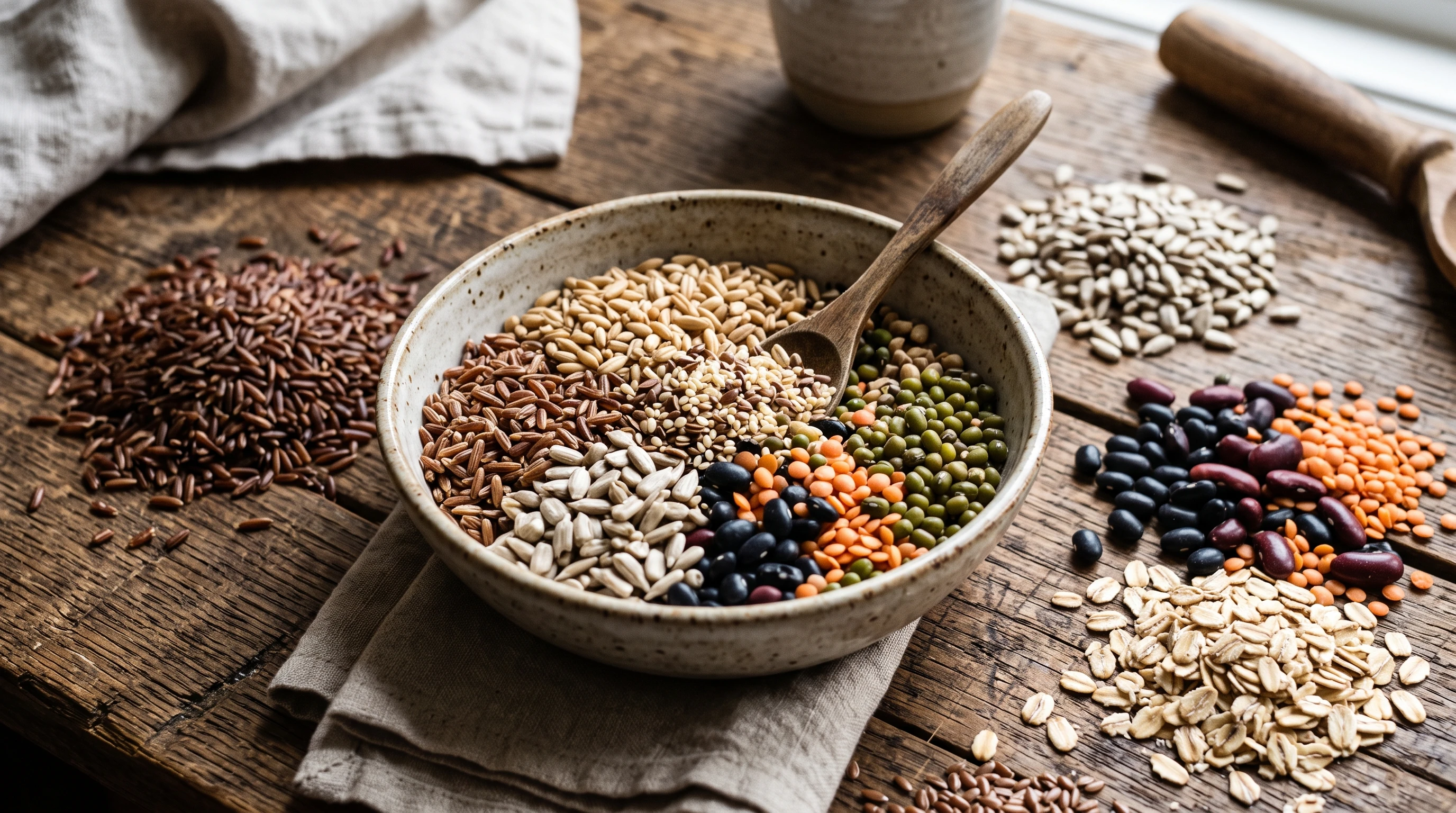
Vitamin B1 (thiamine) is a water-soluble vitamin and part of the B complex group. It plays a big role in helping your body turn food into energy, which is really important when you are feeling run down or anxious. Thiamine is found in a bunch of everyday foods, like whole grains, nuts, seeds, legumes, and some meats and fortified products. I try to get a steady amount of it through my meals, especially because our bodies don’t store B1 for very long.
How does it work in the body?
B1 helps your cells use carbohydrates as fuel, and it acts as a cofactor for several enzymes. Simply put, it keeps the nervous system, brain, and muscles working normally. If B1 levels start to drop, I have noticed people can feel tired, foggy-headed, and irritable, which can really make stress feel worse.
If you want to get a vitamin B1 supplement, CLICK HERE to get it.
Vitamin B1 and Stress Response
How does vitamin B1 help manage stress?
Stress takes a toll on the mind and body. When I am stressed, my body uses up nutrients faster, including B1. Thiamine helps the nervous system function properly, which supports a more balanced mood. Lower B1 can make you feel anxious, restless, or even down. So, keeping your B1 topped up can make handling everyday stress a whole lot easier.
Supporting the nervous system
The nervous system controls how I react to stressful situations. Thiamine helps nerves send signals efficiently. In times when I have forgotten to pay attention to my nutrient intake, I definitely start to feel more frazzled, and science backs this up. Studies show that a deficiency in vitamin B1 is linked to higher levels of stress and poorer mood (learn more here). That is a hint to stay on top of those daily vitamins.
Helping with energy during stressful periods
During stress, the body burns through energy even faster than normal. I find that when I am eating well and making sure to get B1, I don’t crash as hard. Thiamine helps convert carbs into energy, which gives you the stamina to handle busy days and emotional ups and downs. It also prevents that tired-but-wired feeling I sometimes get after a long day.
Sources of Vitamin B1
What foods have vitamin B1?
Some of my go-to foods for vitamin B1 include:
- Brown rice and other whole grains
- Sunflower seeds
- Beans and lentils
- Pork and lean meats
- Fish like trout or tuna
- Green peas
- Fortified cereals
It is not too tricky to get enough if you eat a variety of these foods regularly. For anyone eating mostly processed foods, though, B1 intake can drop off. That is when supplements might be worth considering, but always check with your doctor first.
Signs You Might Need More Vitamin B1
Symptoms of low B1 and stress
If you are always tired, getting irritable, or struggling to focus when you are stressed, low B1 could be one reason. I know for myself, feeling drained and snappy is a pretty strong sign that something is off. Other symptoms people notice include:
- Poor memory or trouble thinking clearly
- Loss of appetite
- Muscle weakness
- Numbness or tingling in the hands and feet
If these are hitting at the same time as a stressful life period, it might be good to check your diet and talk to a nutritionist or doctor. Lab tests can confirm B1 levels if you are not sure. Taking some time to really check in on your nutrition can save you a lot of headaches down the line, especially if stress is making everything harder to deal with. In my own experience, tracking what I eat during high-stress periods helped me spot missing nutrients and adjust before things got worse. Remember, addressing nutrition is just as important as managing daily stress in other areas of life.
Getting the Most from Vitamin B1 for Stress
How much do you need?
Most adults need about 1.1 to 1.2 mg of B1 daily (source: Harvard Nutrition Source). Needs might go up with lots of stress, high activity, or certain health issues. If you are pregnant, breastfeeding, or have a medical condition, your requirements could float higher. Staying aware of changing needs is key to making it easy to keep your nutrition on point.
Is supplementing B1 a good idea?
Supplements can help if you have trouble getting enough B1 through food, especially during stressful times. I always suggest choosing a trusted brand and talking to your doctor first, since too much of any vitamin can be a problem. Additionally, keeping your supplement routine simple and consistent helps you actually notice the benefits rather than getting overwhelmed by choices.
More Ways to Reduce Stress
Vitamin B1 is handy for relief, but I find it works best alongside other healthy habits like:
- Getting regular physical activity
- Practicing mindfulness or relaxation techniques
- Prioritizing sleep
- Keeping up with friends and family
Pairing these with good nutrition makes dealing with stress a whole lot easier. For example, a quick walk outside or even a few deep breaths after a long day can set the stage for better recovery, both mentally and physically. Small, steady changes add up over time when it comes to stress management.
Conclusion
Now you see how important vitamin B1 is and its benefits for stress. Stress impacts our health, and vitamin B1 comes to our rescue in some ways. It supports our nervous system, and it makes it easier to deal with stress.
If you are still unsure about how to add more B1 or curious if supplements might help, chatting with a doctor, pharmacist, or registered dietitian is super useful. They can help you figure out just what you need for your unique situation and make sure you are on track with your stress management plan. If you are looking for specific advice on boosting the role of B1 in your diet, it always helps to ask a professional—don’t hesitate to reach out, since everyone’s needs are a bit different.
What do you think about this article? Do you have any advice or suggestions? Please let us know your thoughts and write in the comment section below.
If you want to get a vitamin B1 supplement, CLICK HERE to get it.
Meditation is always one of the best techniques for stress relief. CLICK HERE to learn more about it
I would like to hear from you, so please leave me a comment below to let me know if this article helped you.
If you want to know more about ways you can manage stress, please subscribe to this blog.
If you think this article is helpful, please share it.
Thank you! Have a nice day!
Until later
Linda Mo,
Founder and owner of How To Reduce Stress Naturally